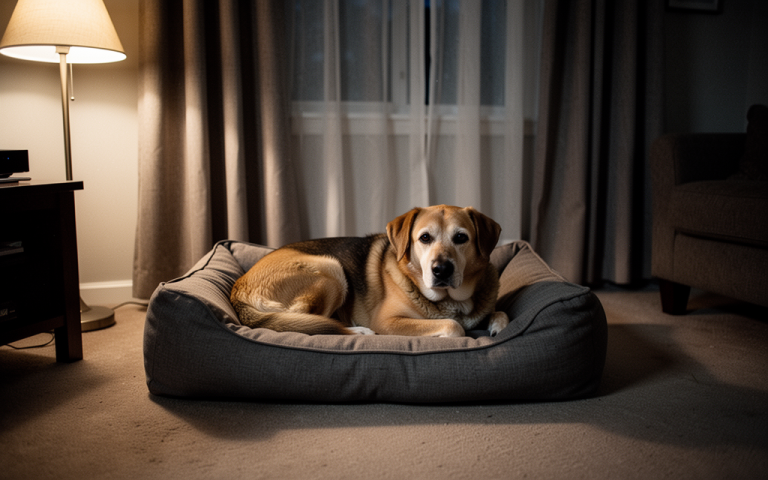
Puppy Care
Read more →
How to Help Dog Afraid of Fireworks: Calm Preparation
Helping a dog afraid of fireworks involves preparing a safe, quiet space, using sound masking techniques, and maintaining calm during events.
Practical puppy care and reward-based dog training

Helping a dog afraid of fireworks involves preparing a safe, quiet space, using sound masking techniques, and maintaining calm during events.
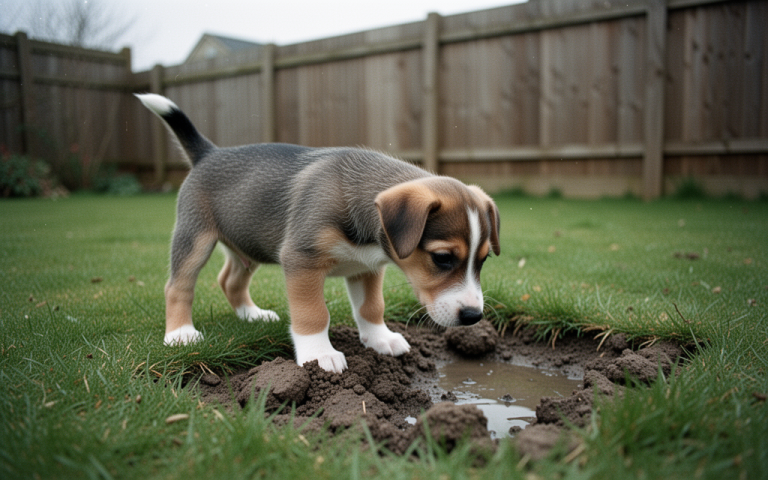
Digging is a natural behaviour for puppies, often driven by instinct or boredom. To address this without punishment, create a designated digging area with loose soil or sand, encouraging your puppy to use it as their own.
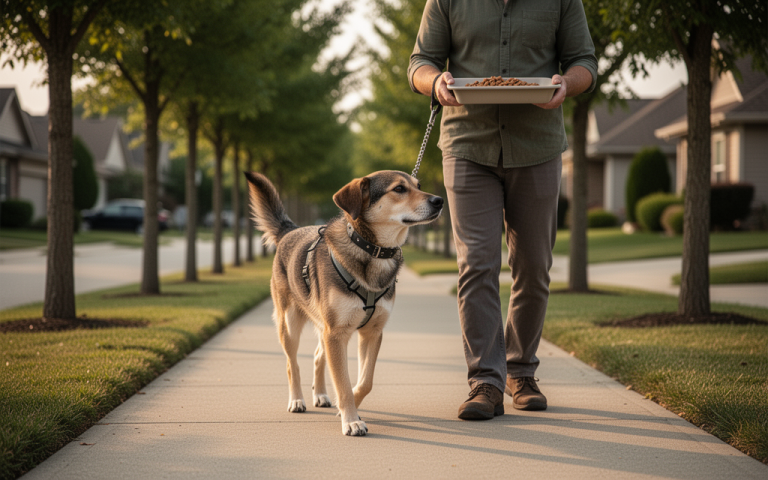
When your puppy freezes on a walk and won’t move, it may be a sign of fear, confusion, or a need to explore, rather than a refusal to walk.
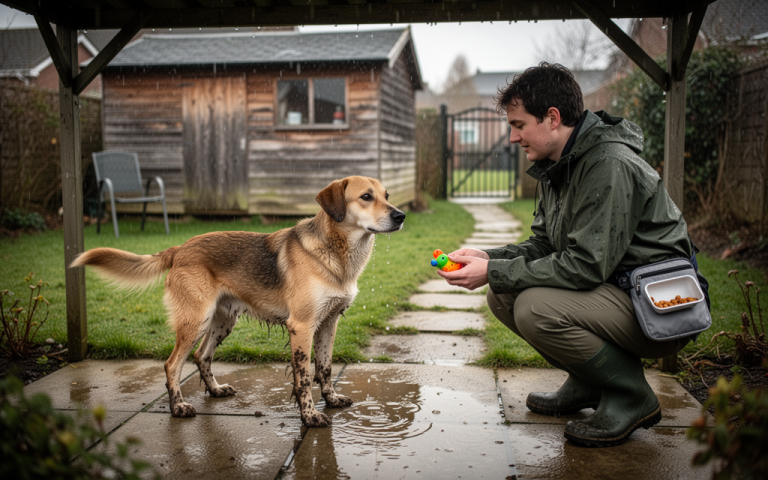
If your dog refuses to walk in the rain, it may be reacting to discomfort, fear, or sensory overload rather than outright resistance.
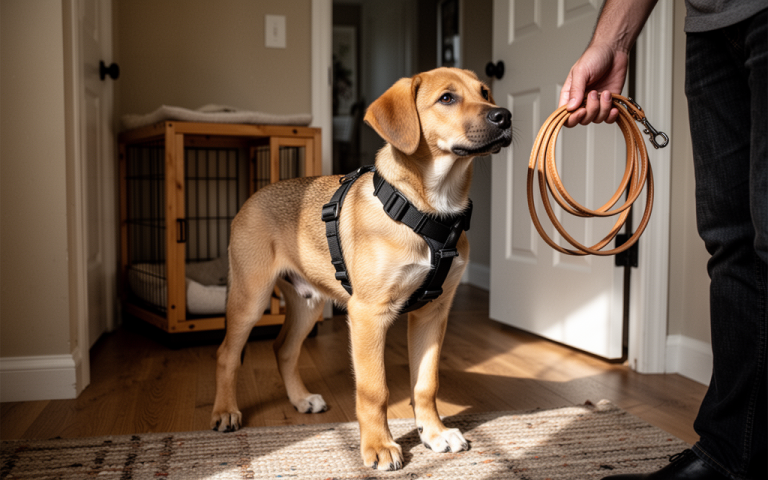
Preparing for your puppy’s first walk involves prioritizing comfort and control.
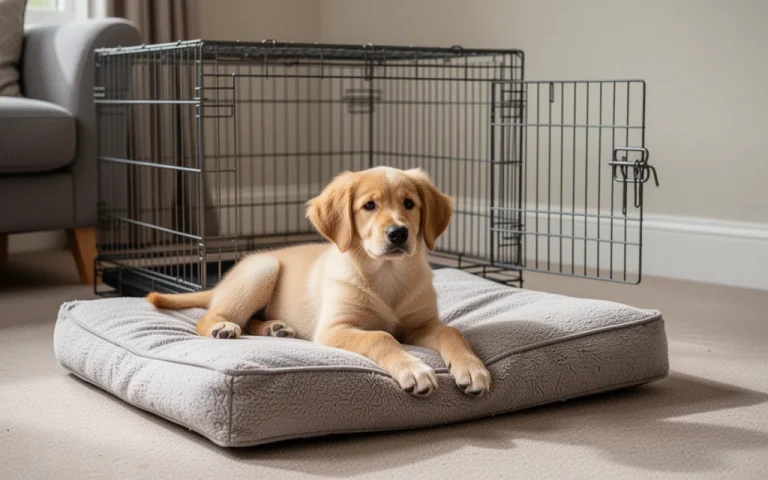
When a puppy becomes reluctant to use the crate, it may signal a shift in comfort or an underlying issue requiring reassessment.
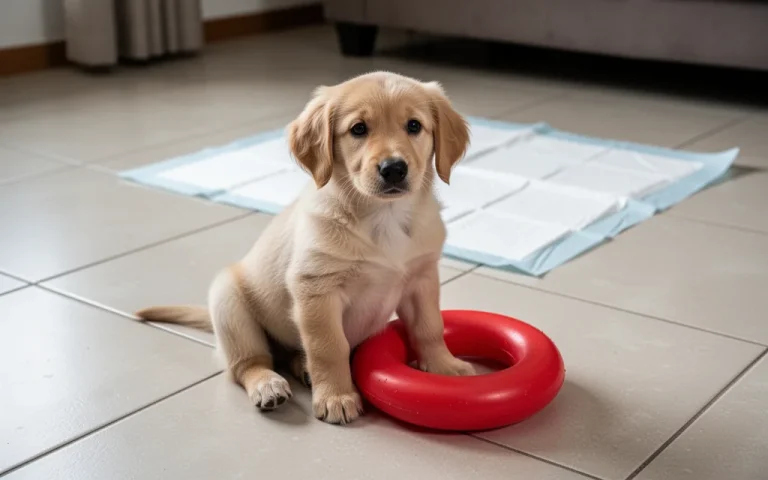
When your puppy shreds or chews toilet pads, focus on supervised setup and redirecting their attention to appropriate toys.
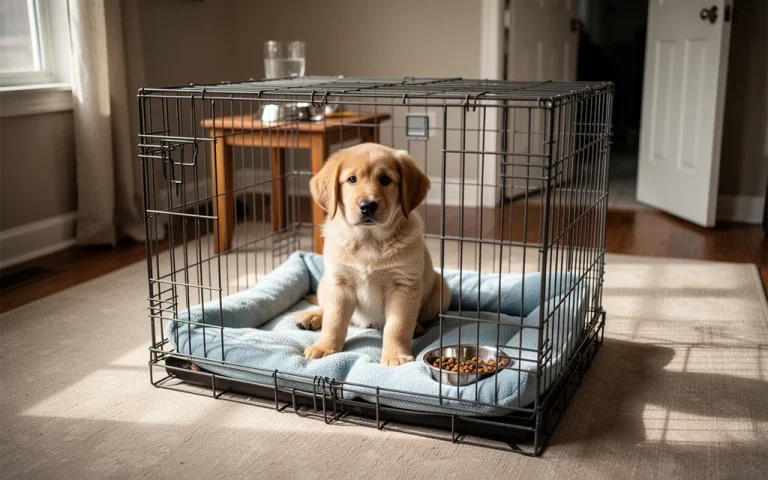
Introducing a puppy to a crate during the day should focus on voluntary exploration and comfort, not confinement.

Helping a puppy feel comfortable with brushing at home starts with gentle introductions and short, positive handling sessions.
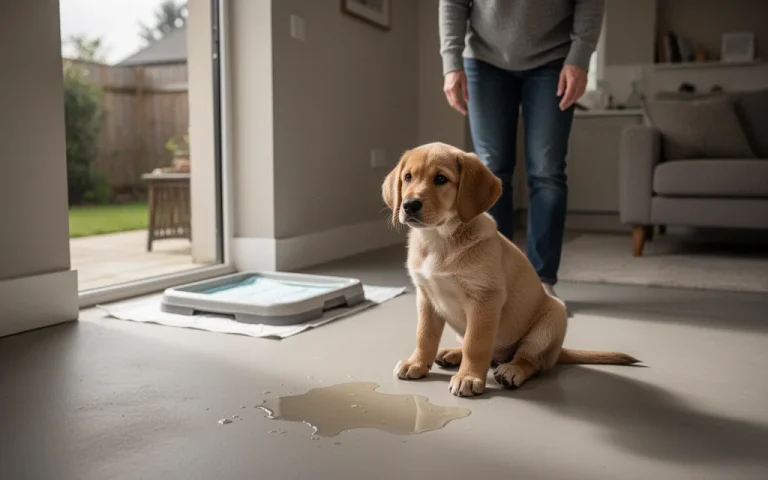
When puppy toilet training goes backwards, it often signals a shift in routine, environment, or health rather than a failure in training.