If your dog refuses to walk in the rain, it may be reacting to discomfort, fear, or sensory overload rather than outright resistance. Practical steps include offering a calm, dry route, allowing time to dry off afterward, and keeping walks shorter to reduce stress. Gentle counter-conditioning—such as associating rain with positive experiences like treats or play—can help your dog feel more at ease. Avoid forcing movement or punishing hesitation, as this may worsen anxiety. Understanding your dog’s signals and adjusting your approach can make walks more enjoyable for both of you.
Understanding Your Dog’s Reaction to Rain
Dogs may refuse to walk in the rain due to fear, sensory overload, or physical discomfort, each manifesting through distinct behavioral cues. Fear-related reluctance often involves a dog lowering its body, tucking its tail, flattening its ears, or trembling, as noted by Petspiration. These signs indicate the dog perceives the rain as a threat, possibly due to past negative experiences or heightened sensitivity to environmental stimuli. Sensory overload, meanwhile, may cause a dog to pant, lick its lips, or yawn excessively while appearing “stuck” in place, as described by the same source. This reaction is common in dogs with anxiety or those overwhelmed by novel sounds, smells, or visual stimuli during walks.
- Physical discomfort: A sudden stop during a walk may signal pain, such as from paw injuries, joint issues, or pressure sores caused by wet, rough terrain. Checkpet.vet advises inspecting paws, between the toes, and the harness or collar for signs of irritation or injury before attributing the behavior to fear or anxiety.
- Differentiating between fear and pain: Fear-based freezing typically involves avoidant body language (e.g., turning away from the rain) and may resolve once the dog feels safe. Pain-related stops, however, often persist despite reassurance and may be accompanied by limping, reluctance to bear weight, or vocalization.
- When to seek help: If freezing occurs frequently, escalates into trembling, or coincides with other changes in behavior (e.g., growling when touched, increased clinginess), Dog Breed Guide recommends consulting a veterinarian or certified trainer to rule out underlying medical or psychological causes.
Recognizing these patterns allows owners to address the root cause without reinforcing the dog’s reluctance. For instance, a dog with sensory overload may benefit from shorter, quieter walks, while a dog in pain requires veterinary evaluation. Understanding these distinctions ensures interventions align with the dog’s specific needs rather than general assumptions about fear or disobedience.
Choosing the Right Route for Rainy Walks
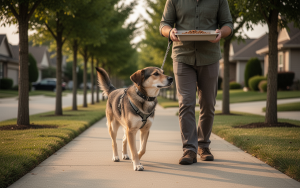
Selecting a calm, dry, and less stressful path for your dog during rainy weather is essential to reduce their anxiety and physical discomfort. Avoid routes with slick or uneven surfaces, as these can increase the risk of slipping and make your dog feel less secure. If possible, choose shaded areas or paths with covered walkways to minimize exposure to rain and reduce the intensity of the sensory experience. A Petspiration guide emphasizes that dogs may become overwhelmed by uncomfortable surfaces, so it is important to avoid dragging them across such areas and instead give them time to explore from a safe distance. Keeping walks shorter and more frequent can also help your dog build confidence in wet conditions without becoming overstimulated or fatigued. If your dog is particularly sensitive to rain, consider using a waterproof coat or booties to provide additional comfort and protection. By prioritizing your dog’s physical and emotional well-being during walks, you can create a more positive association with rainy weather over time.
Shorter Trips and Drying Off Techniques
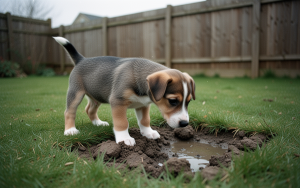
Adjusting the length of walks and implementing drying strategies can significantly reduce a dog’s physical and emotional burden during wet weather. Shorter trips allow the dog to remain comfortable and avoid overexertion, which is especially important for puppies, senior dogs, or those recovering from illness. According to Heath’s Personal Dog Training, puppies often stop more frequently than adult dogs, and giving them more time to process their environment can help reduce reluctance. This principle applies to dogs who are hesitant in the rain — reducing the duration of walks and allowing more rest stops can make the experience less overwhelming.
- Choose a dry route: Opt for paths that are less likely to be muddy or flooded. A calm, dry route can help your dog feel more secure and reduce the effort needed to stay upright in wet conditions.
- Use a towel or pet dryer: After a walk, gently dry your dog with a soft towel or a pet dryer on a low setting. This helps prevent chills and keeps the dog more comfortable for future walks.
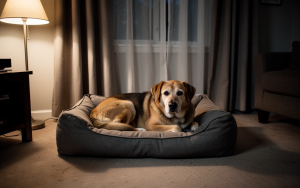
- Offer a warm, dry space: Provide a cozy, dry area for your dog to rest after a walk. This can be a blanket, a mat, or a corner of the house where they can shake off and dry off naturally.
- Gradually increase walk length: As your dog becomes more comfortable with the routine, slowly extend the duration of walks. This allows them to build confidence without feeling overwhelmed by prolonged exposure to rain.
These steps can help your dog associate walks with comfort and safety, even in wet conditions. If freezing or refusal continues despite these adjustments, it may be worth consulting a veterinarian or certified trainer for further guidance.
Gentle Counter-Conditioning for Rain
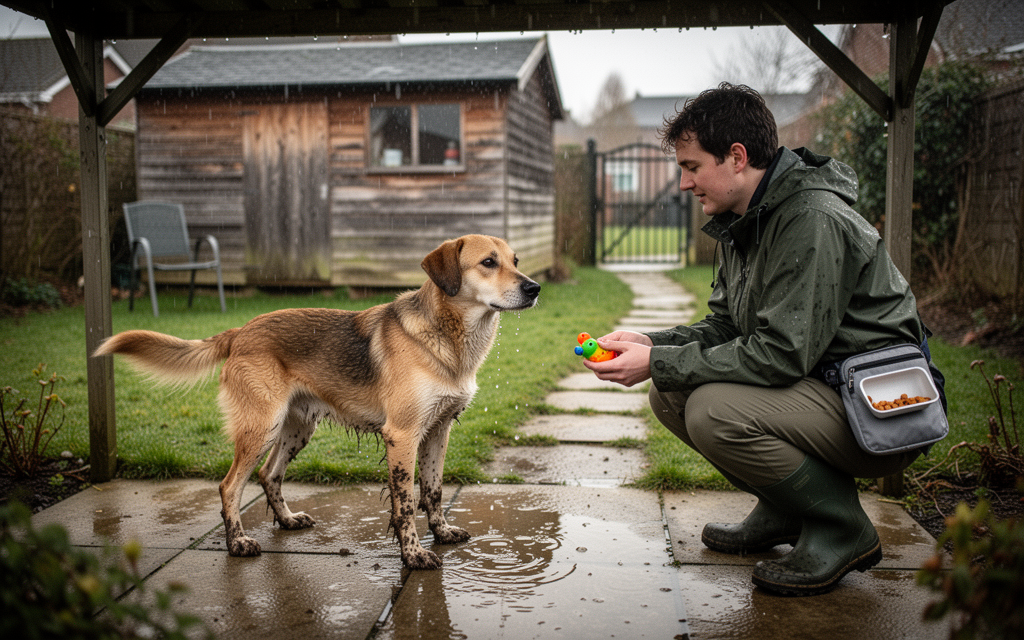
Introduce your dog to rain sensations gradually, using positive reinforcement to create a relaxed association. Begin by offering high-value treats, toys, or praise during brief, controlled exposures to light rain or water—such as splashing in a puddle or walking through a damp garden. Keep sessions short (5–10 minutes) and end on a positive note, rewarding calm behavior even if the dog hesitates. Over time, increase exposure duration and complexity, such as walking through deeper puddles or areas with more natural rain sounds. Avoid forcing movement; instead, let the dog explore at their own pace, using treats to guide them toward the rain rather than pulling or coaxing. If freezing persists, consult a veterinarian first to rule out pain or medical issues, as noted by Pet Help Reviews UK. For dogs with fear-based reluctance, mimic the example of “Otis,” who overcame a specific fear by gradually reintroducing the trigger from a distance, as described by Dog Breed Guide. Consistency and patience are key, pairing each step with rewards to build confidence without overwhelming the dog.
- Start with short, low-stress rain exposures, using treats to encourage calm exploration.
- Gradually increase the intensity and duration of rain-related activities, rewarding progress.
- Avoid punishment or force; let the dog lead the pace and make choices.
- If fear or discomfort is evident, consult a vet to address potential pain or sensory overload.
- Use positive reinforcement (treats, toys, praise) to associate rain with enjoyable experiences.
When to Seek Additional Help
If your dog’s reluctance to walk in the rain persists despite adjustments to comfort, route, and counter-conditioning, consider whether underlying physical or emotional factors may be at play. Signs that professional intervention may be needed include sudden-onset freezing, especially if your dog previously walked comfortably in similar conditions, or if the dog shows physical discomfort such as flinching when touched, holding a leg up, or stiffness when rising from rest. These could indicate orthopedic pain, an ear infection, or paw pad irritation, all of which require veterinary evaluation.
- Sudden changes in behavior: A dog that abruptly stops walking without prior signs of fear or anxiety may be reacting to unaddressed pain or a medical issue. According to Dog Breed Guide, sudden-onset freezing warrants a physical exam to rule out conditions like orthopedic pain or nerve issues.
- Persistent fear or avoidance: If your dog’s reluctance is tied to specific triggers (e.g., loud noises, unfamiliar scents) and does not improve with gradual desensitization, a professional trainer can help identify and address deeper anxiety patterns.
- No response to comfort measures: If your dog continues to refuse walks despite efforts to provide dry routes, shorter trips, or positive associations with rain (e.g., treats, toys), consult a veterinarian to explore potential health concerns or a certified dog behaviorist for tailored counter-conditioning strategies.
For fear-based freezing, desensitization and counter-conditioning remain key, but these should be guided by a trainer experienced in behavior modification. If pain or physical discomfort is suspected, prioritize veterinary care before pursuing behavioral interventions. As noted by The Vet Verdict, a vet-directed plan may include imaging, acupuncture, or other supportive care depending on the diagnosis. Always ensure any holistic or alternative therapies are discussed with your vet to avoid conflicting treatments.
Disclosure: As an Amazon Associate I earn from qualifying purchases. Links in the related-products section are paid links.