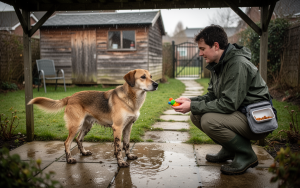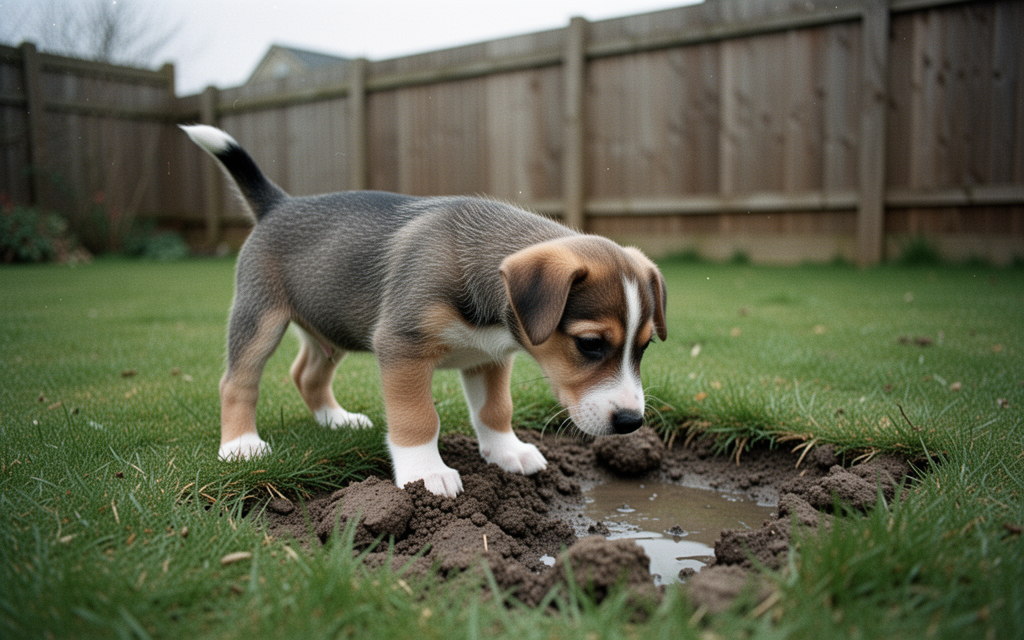
Digging is a natural behaviour for puppies, often driven by instinct or boredom. To address this without punishment, create a designated digging area with loose soil or sand, encouraging your puppy to use it as their own. Remove potential temptations like leaves or twigs from other garden zones, and use temporary fencing to limit access to sensitive areas. Supervision is key—redirect attention to the sanctioned spot when digging occurs, reinforcing positive choices. Success depends on consistency and understanding your puppy’s individual needs, so observe their responses and adjust strategies as needed.
Understanding the Root Causes of Digging Behavior
Digging is a perfectly natural behaviour for dogs, but it becomes problematic when it targets areas of your garden that you wish to protect. Understanding why your puppy digs is the first step in addressing the issue effectively. Several factors can contribute to this behaviour, including boredom, stress, and breed-specific tendencies.
Boredom is a common trigger, as dogs that do not receive enough mental and physical stimulation may turn to digging as a way to entertain themselves. This is supported by sources that highlight the importance of providing enriching activities for dogs to prevent self-directed behaviours such as digging.
Stress and anxiety can also lead to digging, particularly if a puppy feels insecure or is left alone for long periods. This can manifest as compulsive digging, which is often difficult to redirect without addressing the underlying emotional needs.
Certain breeds, such as Jack Russell Terriers, Border Collies, and Dachshunds, are more predisposed to digging due to their history and natural instincts. These tendencies are not necessarily a problem in themselves, but they can become challenging if not managed properly.
By understanding these root causes, you can take steps to address the underlying needs of your puppy, such as providing a designated digging area, increasing interaction, and ensuring they have enough mental and physical engagement. This approach helps to redirect the natural instinct in a positive way, rather than simply trying to suppress it.
Creating a Designated Digging Area
Establishing a safe and appealing digging spot requires thoughtful planning to align with your puppy’s instincts while protecting your garden. Begin by selecting a location that is easily accessible but away from delicate plants or pathways. This area should be spacious enough for your puppy to dig freely without feeling confined. Use materials that are inviting, such as loose soil, sand, or a sandbox filled with soft earth, which mimics natural digging conditions. Avoid areas with hard-packed ground or rocks, as these can discourage your puppy from using the space.
- Prepare the ground: Remove any debris, stones, or sharp objects from the chosen area to ensure it is safe for your puppy. Loosen the soil to make digging easier and more satisfying for them.
- Enhance the spot: Add items like buried toys, treats, or puzzle feeders to the digging area to encourage exploration and mental stimulation. This transforms the space into an interactive zone that fulfills your puppy’s need to dig.
- Redirect attention: When your puppy shows interest in digging elsewhere, gently guide them to the designated area. Use positive reinforcement, such as praise or treats, to associate the spot with rewarding experiences.
- Supervise and reinforce: Monitor your puppy’s behavior in the digging area to ensure they are not damaging other parts of the garden. Consistently redirect them if they stray, and reinforce the desired behavior with affection or small rewards.
By creating a dedicated space that meets your puppy’s natural instincts, you reduce the likelihood of them digging in unwanted areas. For additional guidance on making the rest of your garden less appealing, refer to ForeverYard’s advice on puppy-proofing and deterrents. This approach ensures your puppy has a constructive outlet for their behavior while preserving your garden’s integrity.
Removing Temptations and Distractions
Eliminate garden features that may entice a puppy to dig by addressing loose soil, buried objects, and overgrown vegetation. Start by clearing debris such as leaves, twigs, and small stones from the garden, as these can act as natural digging incentives. Trim back dense vegetation or shrubs that provide cover for digging activities, reducing the puppy’s sense of security in restricted areas. According to ForeverYard, removing such attractants minimises the puppy’s motivation to excavate.
- Secure loose soil: Compact or cover exposed soil in flower beds and lawns with mulch, gravel, or artificial turf. This makes the ground less appealing for digging and reduces the risk of the puppy uncovering buried items.
- Remove buried temptations: Burying toys or treats is counterproductive, as it reinforces the behaviour. Instead, use a designated digging area (see later sections) to redirect the puppy’s instincts.
- Use physical barriers: Install temporary fencing or mesh panels around vulnerable garden zones, such as flower beds or vegetable patches. This prevents access while allowing the puppy to explore safer areas. Battersea recommends this approach to limit access until a controlled digging spot is established.
- Apply natural deterrents: Spritz citrus-based sprays or vinegar on soil in high-risk areas. These scents are unappealing to dogs and can discourage digging without causing harm. Reapply after rain or watering.
By systematically removing these temptations, the puppy’s focus shifts to alternative, supervised activities. This step complements the creation of a designated digging area, ensuring the garden remains intact while satisfying the puppy’s natural instincts.
Supervising and Redirecting Behavior
Active supervision is critical to shaping a puppy’s behavior, as it allows immediate intervention when digging occurs outside the designated area. Without direct oversight, a puppy may rehearse the habit repeatedly, reinforcing it unintentionally. To address this, remain present in the garden during times when the puppy is likely to dig, such as after meals or during play sessions. This proximity enables you to redirect attention promptly and consistently.
- Use a firm but calm command: When you notice the puppy digging in an unauthorized spot, say “no dig” in a steady tone. This helps the puppy associate the behavior with a clear boundary. According to GreatGardenPlans, this verbal cue, paired with immediate redirection, strengthens the connection between the command and the desired action.
- Redirect to the designated area: Guide the puppy to the approved digging spot and encourage them to dig there. Offer a treat or praise when they comply. This teaches the puppy that digging is acceptable only in specific locations, as outlined in ForeverYard’s guide on puppy-proofing gardens.
- Reinforce positive behavior: Reward the puppy with treats, toys, or affection whenever they dig in the correct area. Positive reinforcement makes the puppy more likely to repeat the behavior, as noted in GreatGardenPlans’ training advice. Consistency is key—rewards should follow every successful redirection to build a strong association.
- Supervise during high-energy periods: Puppies often dig when bored or overstimulated. Provide alternative activities, such as interactive toys or short training sessions, to channel their energy productively. This reduces the likelihood of digging as a default behavior.
Supervision and redirection require patience, as puppies may take time to learn the boundaries. By combining these strategies with the creation of a designated digging area, you address both the instinct to dig and the need for structure, minimizing damage to the garden while fostering positive habits.
Avoiding Punishment and Deterrents
Punishment and buried deterrents often fail to address the root cause of digging, which is a natural instinct for dogs. Scolding or physically deterring a puppy may increase anxiety, leading to more frequent or secretive digging behaviors. Similarly, buried deterrents like rocks or wire mesh can be dug through, especially by determined puppies, and may not prevent the behavior long-term. These approaches risk creating a negative association with the garden, potentially worsening the issue rather than resolving it.
- Create a designated digging area: Redirect the puppy’s instinct by providing a specific space, such as a sandbox or a section of loose soil, where digging is encouraged. This satisfies their natural urge while minimizing damage to the rest of the garden. According to Best For Dogs UK, this is often the most effective long-term solution.
- Use positive reinforcement: Reward the puppy with treats, praise, or playtime when they dig in the approved area. This strengthens the connection between the behavior and the reward, making it more likely to repeat. Strategies like this are highlighted in GreatGardenPlans as a way to foster cooperation.
- Supervise and redirect: If the puppy begins digging elsewhere, gently guide them to the designated spot. Consistency helps them learn where digging is acceptable. Avoid confrontation, as this can trigger fear or resistance.
- Provide mental and physical stimulation: Boredom or excess energy can drive digging. Offer toys, puzzles, or regular exercise to channel their energy into constructive activities.
By focusing on understanding and redirecting the behavior rather than punishing it, you build a positive relationship with your puppy while addressing the issue at its source.
Disclosure: As an Amazon Associate I earn from qualifying purchases. Links in the related-products section are paid links.