When your puppy freezes on a walk and won’t move, it may be a sign of fear, confusion, or a need to explore, rather than a refusal to walk. A brief pause is normal, but persistent refusal requires calm, reward-based strategies to rebuild forward movement without dragging or forcing. According to Petspiration, offering space and redirecting attention can help your puppy feel safer and more willing to move. If the freeze is linked to fear and does not improve with consistent, gentle training, consult a qualified trainer or behaviorist for tailored support.
Understanding the Difference Between a Startled Pause and Persistent Refusal
A startled pause is typically brief, lasting seconds to a minute, and may involve subtle shifts in body language such as a quick glance at a stimulus, a slight hesitation, or a momentary stiffening of the body. These pauses often resolve spontaneously as the puppy processes the environment, such as reacting to a sudden noise or a new scent. In contrast, persistent refusal involves prolonged immobility, often accompanied by clear signs of distress. A puppy that refuses to move may lower its body closer to the ground, tuck its tail tightly, flatten its ears, or exhibit trembling, panting, or lip-licking. These behaviors suggest fear, overwhelm, or discomfort rather than a temporary reaction to a specific trigger.
- Environmental context: A startled pause may occur near a novel object, a sudden movement, or a loud sound, but the puppy resumes walking once the stimulus passes. Persistent refusal often happens in recurring locations (e.g., near a specific tree, a street corner, or a fence) and may involve avoiding eye contact or turning the head away from the trigger.
- Physical indicators: A startled pause typically lacks visible signs of stress beyond a brief freeze. Persistent refusal may include changes in gait, reluctance to lift a paw, or a rigid posture that persists even after the initial trigger is gone.
- Response to reassurance: A puppy that pauses briefly may respond positively to calm redirection, such as shifting the walk’s path or offering a treat. Persistent refusal often requires pausing entirely, reducing environmental pressure (e.g., using a longer lead to create space), and waiting for the puppy to self-soothe before proceeding.
If a puppy consistently freezes in the same location or shows signs of pain (e.g., reluctance to bear weight, stiffness), consult a veterinarian to rule out physical causes. For fear-based refusal, the Petspiration guide emphasizes that pulling or forcing movement can worsen anxiety, and instead recommends using desensitization and positive reinforcement to rebuild confidence.
How to Respond Calmly When Your Puppy Freezes on a Walk
When your puppy freezes mid-walk, the first step is to stop pulling and assess the environment. According to Petspiration, freezing often signals fear, discomfort, or uncertainty. Pause, observe your puppy’s body language, and identify potential triggers—such as a loud noise, unfamiliar scent, or a sudden movement. If the pause is brief and your puppy resumes walking after a few seconds, continue calmly without rewarding the freeze. However, if the hesitation persists, reduce pressure by stepping back or turning sideways to create space. This avoids forcing your puppy forward and allows them to process the situation at their own pace.
- Use high-value rewards: Offer treats or praise immediately if your puppy takes a voluntary step forward, even if it’s small. This reinforces positive associations with movement and builds confidence.
- Practice recall at home: As outlined by Dogs Trust, teaching your puppy to return to you during walks requires consistent training at home. Start with short distances and gradually increase distractions, rewarding compliance with enthusiasm.
- Adjust your approach: If your puppy consistently freezes near specific objects (e.g., a fence or a tree), redirect their attention by offering a treat or changing direction. Avoid confrontation, as this may escalate fear.
- Recognize when to seek help: If freezing occurs frequently or is linked to clear distress (e.g., whining, trembling), consult a veterinarian or certified trainer. Persistent fear may require professional intervention, as noted by The4Legged.com, which distinguishes between normal curiosity and concerning behavior.
Consistency and patience are key. Reward-based methods prioritize your puppy’s comfort, ensuring they associate walks with positive experiences rather than stress.
Recognizing Environmental Triggers That Cause Freezing
Puppies may freeze on walks due to unfamiliar environmental factors that trigger fear, confusion, or discomfort. These can include sudden noises such as car horns or fireworks, strange scents from other animals or plants, or visual stimuli like crowds, unfamiliar people, or other dogs. A puppy may also freeze if the surface underfoot is uneven, hot, or slippery, or if the leash feels tight or uncomfortable. In some cases, freezing may be a response to something out of sight, such as a sudden movement in a bush or a distant object that catches their attention.
- Unfamiliar sounds, scents, or sights are common triggers that cause a puppy to freeze mid-walk. These can be overwhelming for a young dog still learning to process their environment.
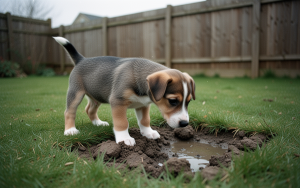
- Processing unfamiliar surfaces or movement may also lead to freezing. A puppy may hesitate or stop if they encounter something unexpected on the ground or in their path.
- New experiences during the first few walks are normal, as puppies are exposed to many new sights, sounds, and smells. This can cause them to pause or appear uncertain, especially if they are not yet confident in their surroundings.
- Medical or physical discomfort may also lead to freezing. If a puppy freezes repeatedly or shows other signs such as limping or vocalizing, it is important to seek professional evaluation.
When to Seek Help from a Qualified Professional
If your puppy’s freezing episodes become frequent, escalate into trembling, bolting, or other concerning behaviors, or occur alongside changes like growling when touched, increased humping, or shifts in how they handle being alone, it’s time to consult a veterinarian and possibly a certified trainer or veterinary behaviorist. Persistent freezing may signal underlying issues beyond basic fear, such as chronic pain, neurological concerns, or complex anxiety patterns. For example, sudden-onset freezing—especially in a dog who previously walked without issue—warrants a physical exam to rule out conditions like orthopedic pain, ear infections, or paw pad sensitivity. A case study from Dog Breed Guide highlights how a Labrador’s freezing was later linked to early hip changes, emphasizing that pain can mimic fear. If medical causes are ruled out, a qualified professional can help identify specific triggers and design a tailored plan to address fear-based freezing safely. Signs that immediate intervention is needed include attempts to escape, disorientation, or physical distress such as pale gums or difficulty bearing weight, which require urgent veterinary care rather than training adjustments.
Creating a Positive Association with Walks
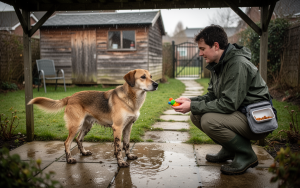
Reinforce walks as a source of joy by prioritizing consistency and rewards. Begin with short, low-stimulus outings where your puppy can explore without overwhelm. Use high-value treats or toys to mark the start of the walk, and pause frequently to let your puppy investigate scents or rest. Avoid forcing movement; instead, reward small steps forward with praise or a treat. If your puppy hesitates, redirect attention to something positive, such as a familiar object or a game of fetch, before resuming the walk.
- Dogs Trust advises practicing recall training at home first, ensuring your puppy associates returning to you with positive outcomes. This builds trust and makes walks feel safer.
- Gradually introduce new environments, pairing them with treats or playtime to create a mental link between exploration and reward. Avoid prolonged exposure to stressful stimuli, which can reinforce fear.
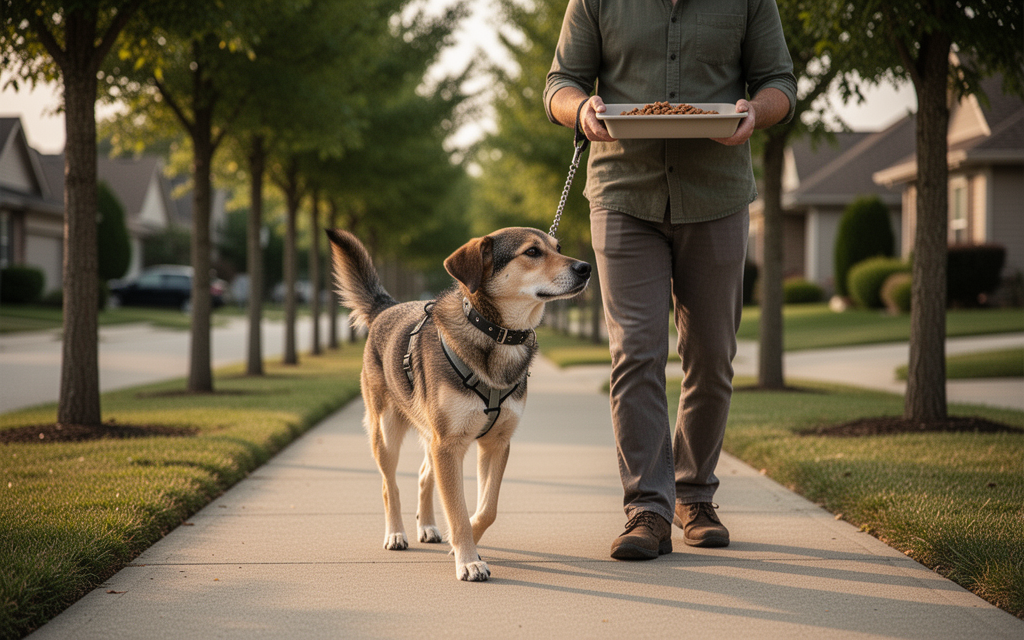
- Use a soft longline (a longer lead attached to a harness) only after your puppy is comfortable with a regular lead. This allows freedom to explore while maintaining control, reducing tension during walks.
If freezing persists despite these steps, consult a certified trainer or veterinarian to address underlying anxiety or discomfort. Positive reinforcement requires patience, but consistent, low-pressure interactions can transform walks into a puppy’s favorite activity.
Disclosure: As an Amazon Associate I earn from qualifying purchases. Links in the related-products section are paid links.