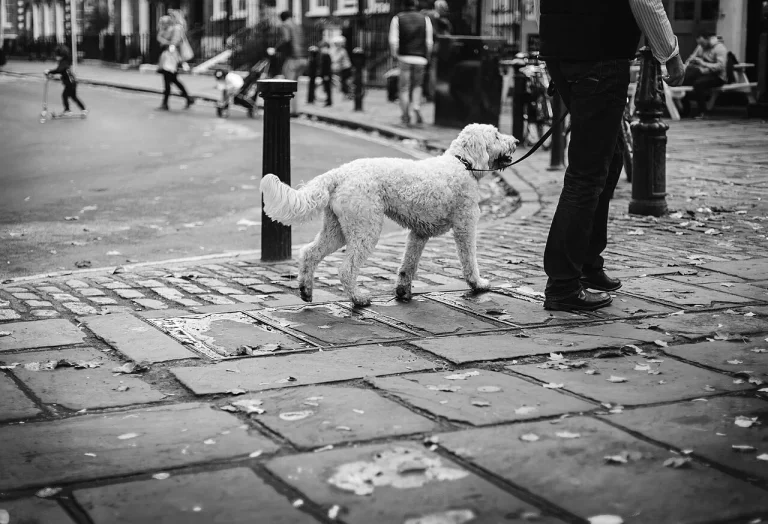
Dog Training
Read more →
Dog Pulls on Lead in New Places? How to Help
When your dog pulls on the lead in new places, it’s often due to excitement, fear, or lack of confidence.
Practical puppy care and reward-based dog training
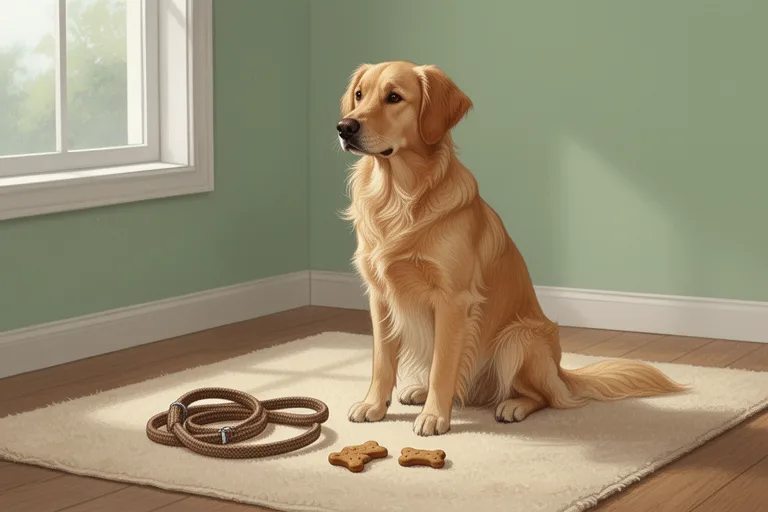
When your dog pulls on the lead in new places, it’s often due to excitement, fear, or lack of confidence.
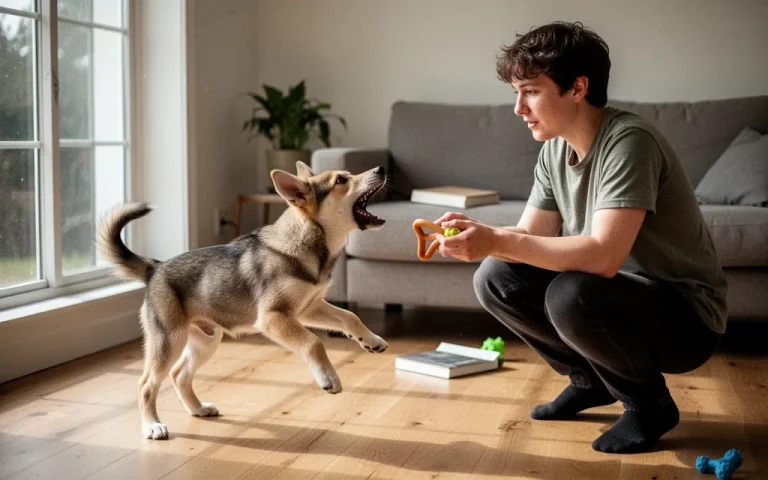
Dogs often bark for attention as a way to communicate needs or seek interaction, but this behavior can be redirected with patience and strategy.
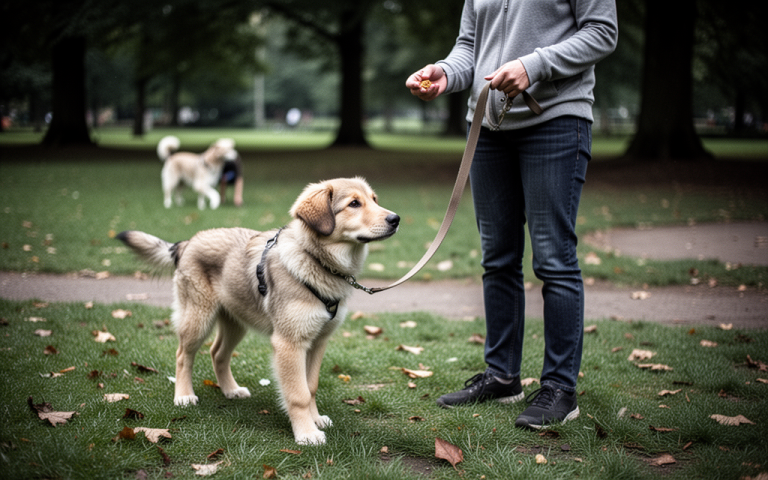
When your dog lunges at other dogs on walks, the goal is to manage their emotional state and build confidence through distance, calmness, and controlled exposure.
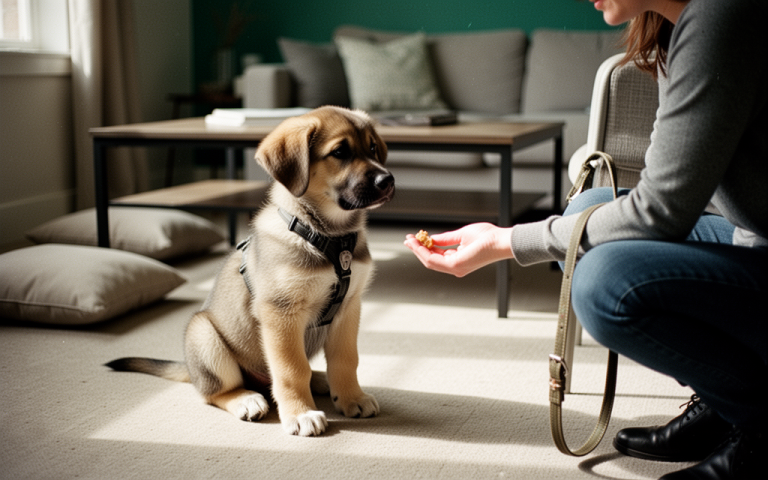
To stop a dog from jumping up at people, teach a calm greeting like sitting or lying down and consistently reward it.
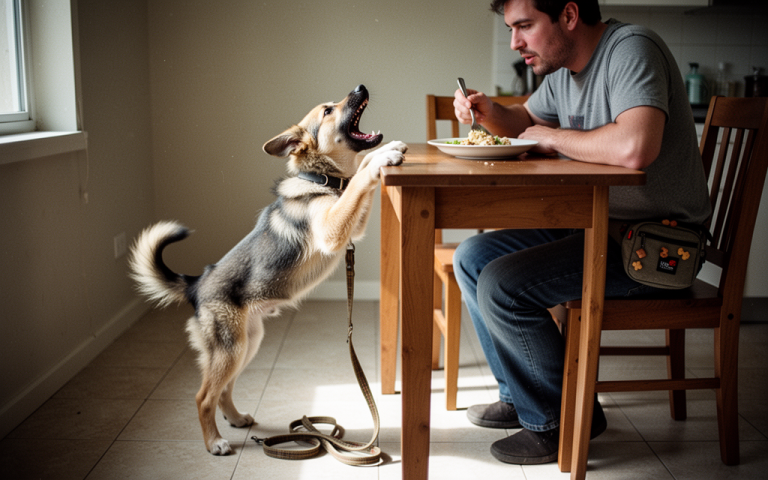
Dogs may bark during meals if they associate eating with attention or rewards, a behavior known as demand barking for food.
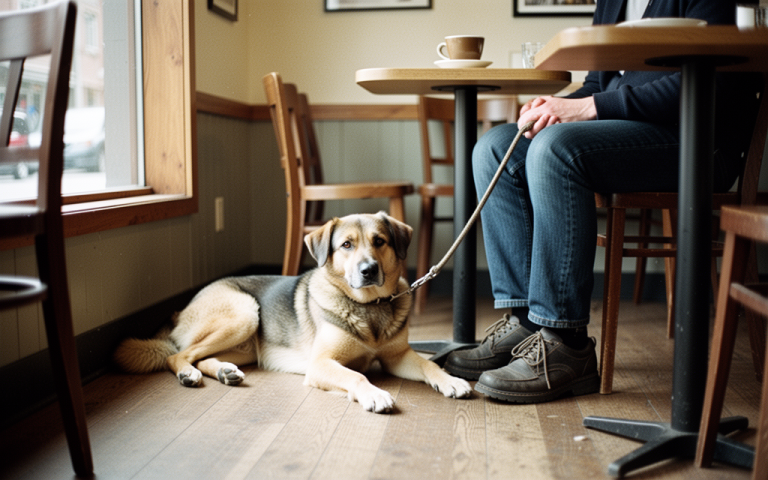
To help a dog settle in a café, focus on building calmness at home before introducing new environments.
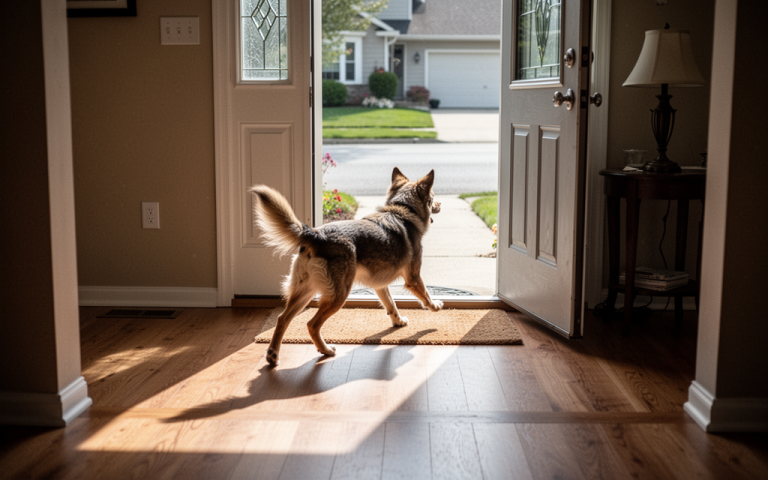
When a dog runs out the front door, a structured approach can help prevent the behavior and ensure your pet’s safety.
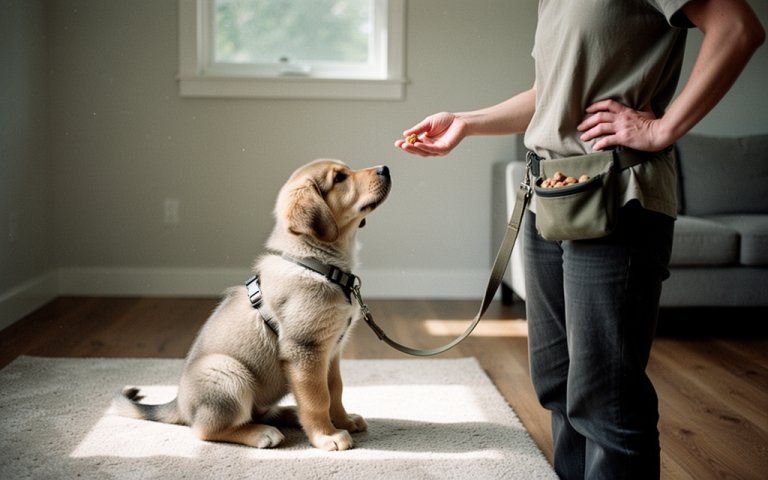
Teaching a dog to ‘leave it’ involves building a trained impulse-control cue through short, positive sessions rather than relying on instinct.
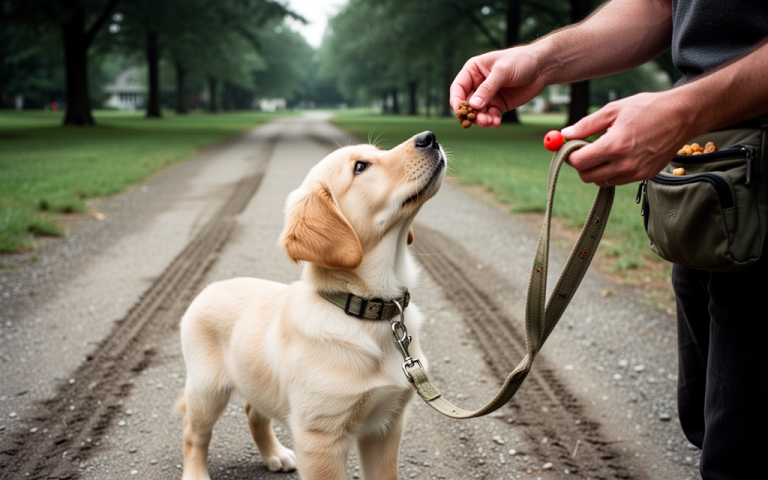
To stop a dog from scavenging on walks, teach a ‘leave it’ command, choose safe routes, and use a short lead for better control.
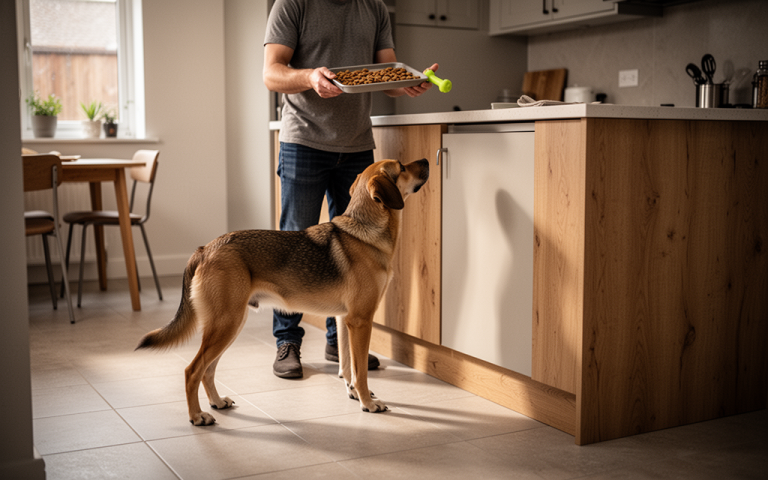
Stopping a dog from counter surfing requires proactive management and positive reinforcement.