Dog Training
Read more →
How to Stop Dog Pulling on Lead: Reward-Based Practice
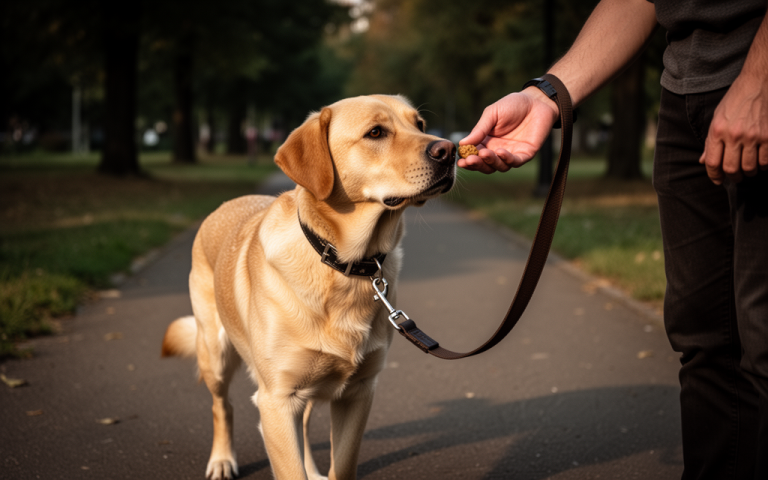
To stop a dog pulling on the lead, use a humane loose-lead progression that rewards calm walking and makes pulling unproductive.
Practical puppy care and reward-based dog training
To stop a dog pulling on the lead, use a humane loose-lead progression that rewards calm walking and makes pulling unproductive.
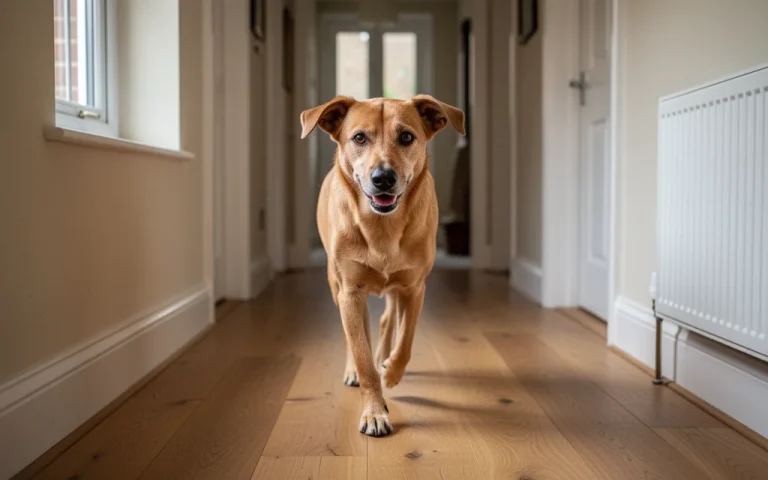
Simple recall games at home focus on building reliable responses through consistent, reward-based practice in a controlled environment.
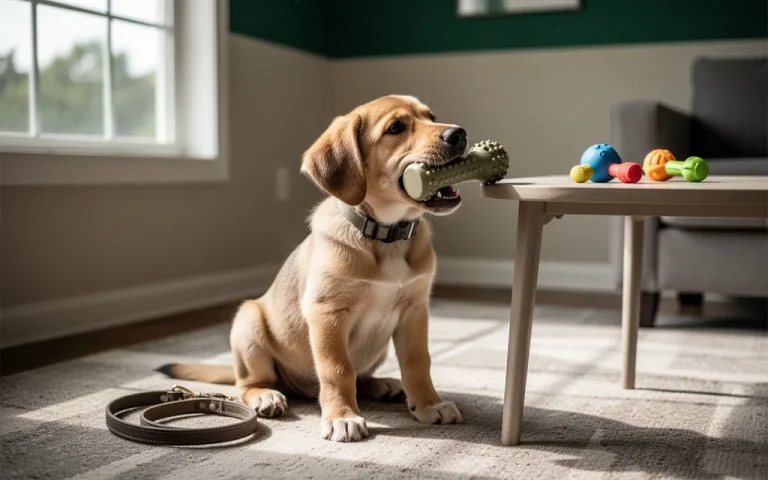
Puppy biting for attention is a common challenge that often signals a need for clearer communication.
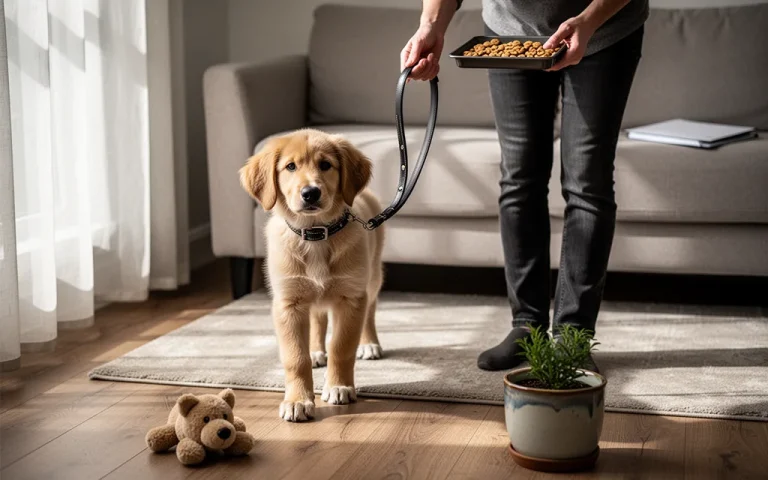
Introducing a puppy to a lead typically begins indoors during the first few weeks, focusing on comfort and familiarity.
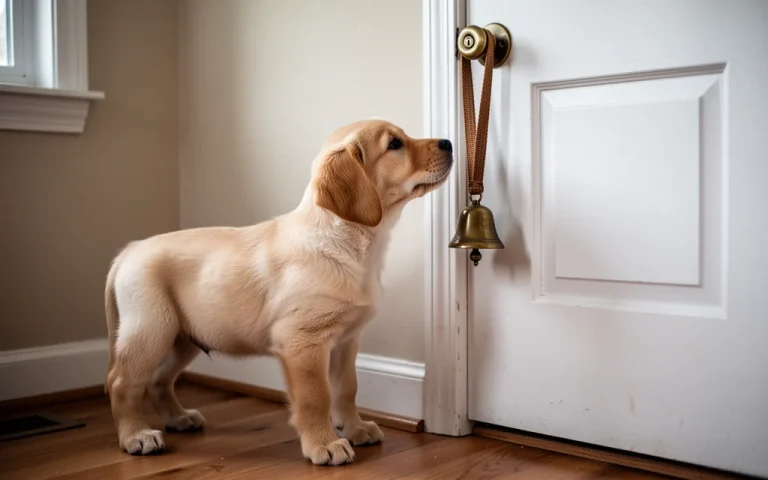
Teaching a puppy to use a toilet bell involves introducing a simple optional signalling cue that helps the puppy communicate their need to go outside.
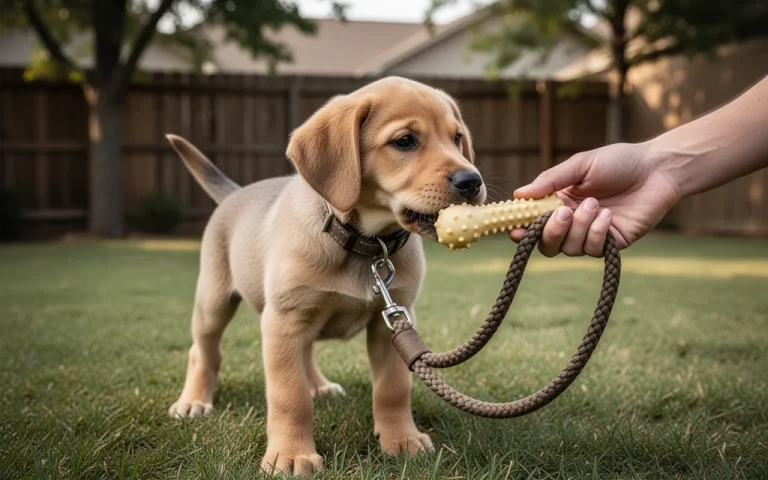
When a puppy chews the lead on a walk, it often reflects curiosity or a lack of engagement with the activity.
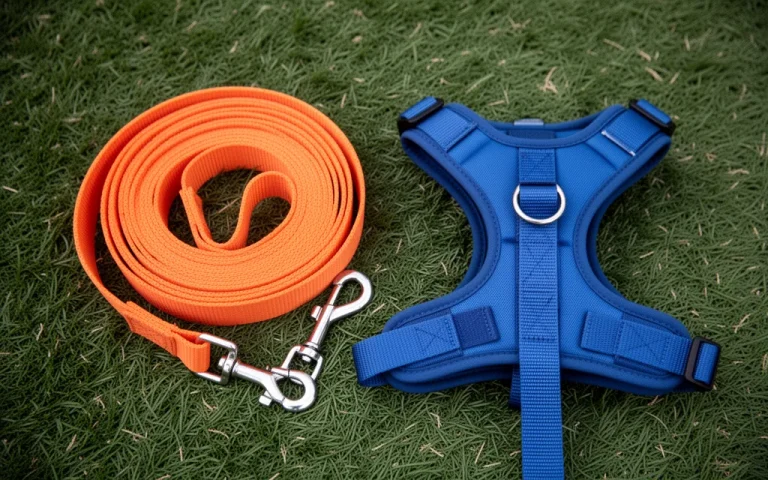
Using a long line for dog recall practice requires selecting a controlled, open space free from obstacles to minimize entanglement risks.
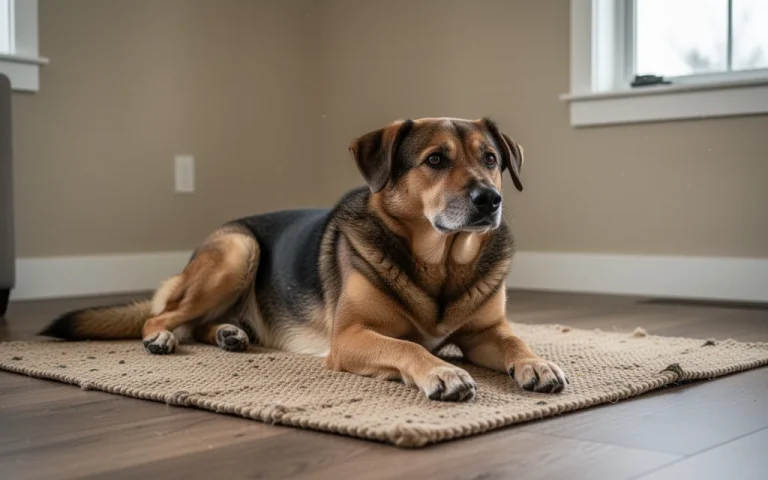
Introducing a settle mat to your dog involves creating a space where they can learn to associate calmness with relaxation.
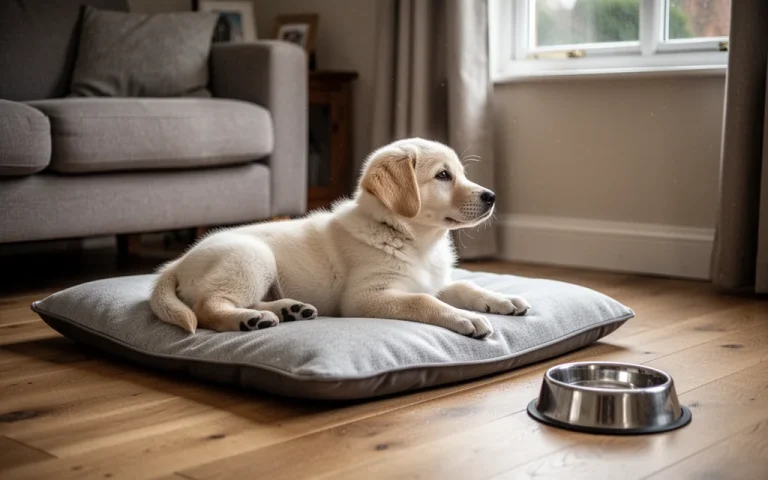
Preparing a puppy for short periods home alone involves gradual, positive experiences to build comfort and reduce distress.
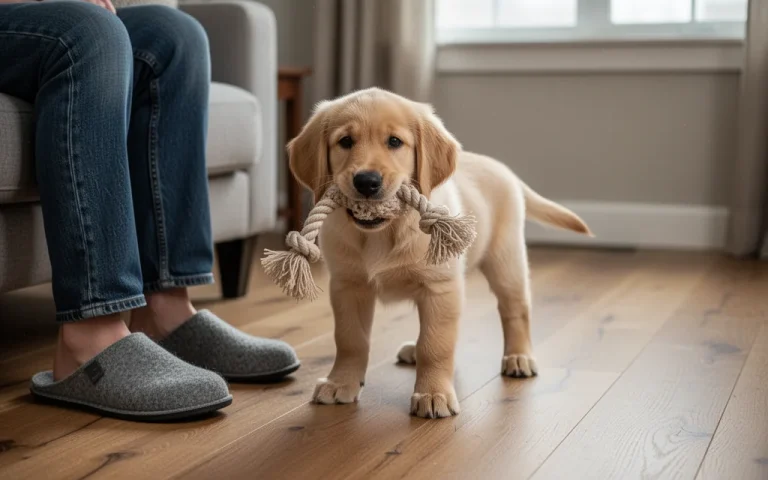
When your puppy bites moving feet or trouser legs, it often stems from playful curiosity or overexcitement.