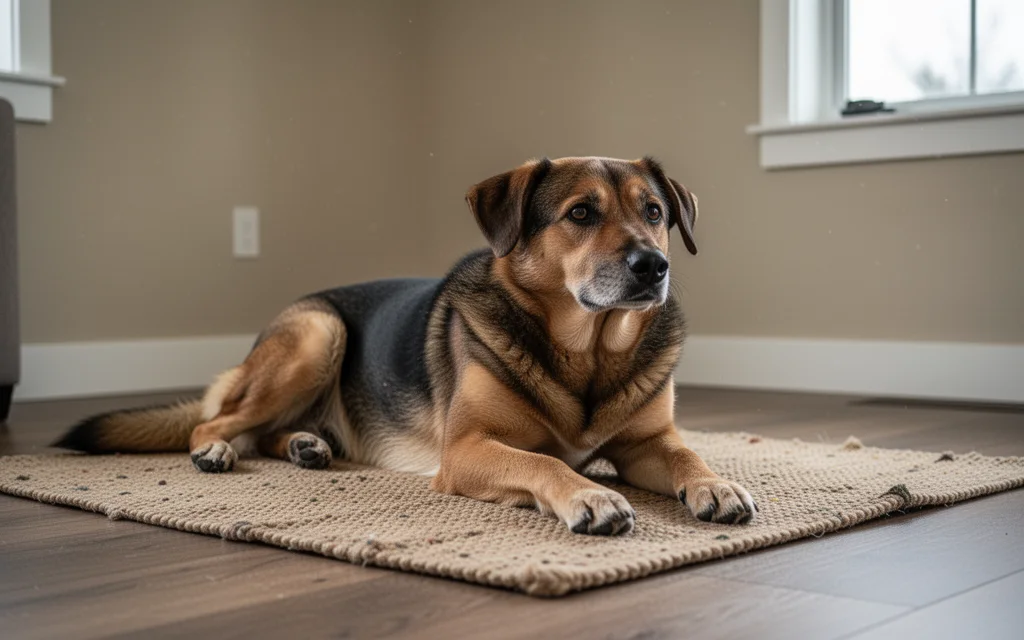
Introducing a settle mat to your dog involves creating a space where they can learn to associate calmness with relaxation. Start by placing the mat in a quiet area and rewarding your dog with treats whenever they investigate or approach it. Gradually increase the time they spend on the mat before offering rewards, helping them build a positive association. Focus on voluntary relaxation rather than forcing stillness, and avoid using the mat as a solution for fear or separation anxiety. The goal is to teach your dog that the mat is a safe, comfortable spot for rest, not a fix for deeper behavioral issues. Check your dog’s response to the mat and adjust the training pace based on their comfort level.
Introducing the Mat in a Quiet Environment
Begin by selecting a space with minimal noise and visual stimuli, such as a quiet room or a corner of a living area where your dog feels safe. Place the settle mat on the floor, ensuring it is fully visible and unobstructed.
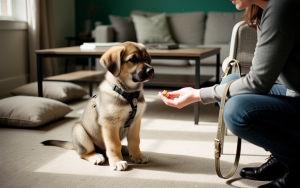
To encourage voluntary interaction, sit quietly nearby with your dog on a lead. Drop small treats directly onto the mat without verbal cues or physical prompts. If your dog investigates the mat, reward them immediately with a treat and praise. If they hesitate, avoid urging them—instead, remain still and allow them to approach at their own pace. Over time, gradually increase the duration your dog spends on the mat before offering a reward, while they remain comfortable.
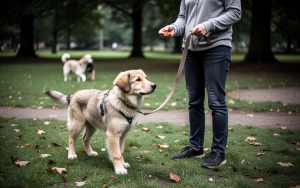
Some dogs may initially struggle to disengage from their surroundings or may exhibit tension, such as pulling on the lead or staring intently. In these cases, adjust expectations: reward intermediate steps like standing quietly near the mat or sniffing it. This approach aligns with guidance from Dogs Trust, which emphasizes reinforcing relaxed behaviors without direct instruction.
Avoid introducing new stimuli, such as other people or pets, during this phase. The goal is to create a predictable, low-stress environment where your dog learns to view the mat as a neutral or positive space. Progress may vary depending on your dog’s temperament, so patience is key. If your dog consistently avoids the mat or shows signs of distress, consider consulting a professional trainer for tailored advice.
Building Voluntary Relaxation
Encouraging your dog to view the mat as a voluntary comfort zone requires patience and structured reinforcement. Begin by placing the mat in a quiet, low-distraction area, allowing your dog to investigate it at their own pace. According to Battersea’s guide, rewarding your dog with treats scattered directly onto the mat—rather than hand-feeding—strengthens the association between the mat and positive experiences. This approach avoids reinforcing anxious or rushed behavior, focusing instead on calm exploration. Once your dog shows interest, gradually increase the distance between you and the mat, rewarding them for remaining relaxed on the surface. Practice during times when your dog is naturally tired, as this aligns with their energy levels and reduces resistance. Avoid forcing interaction; instead, let your dog make choices about engagement. Over time, this builds trust in the mat as a safe, predictable space. Consistency in timing and environment helps your dog generalize the behavior to different settings, though this should be introduced later once foundational comfort is established.
- Start in a quiet space and let your dog explore the mat without pressure.
- Use treats placed directly on the mat to reinforce positive associations.
- Gradually increase distance from the mat while rewarding calmness.
- Practice during low-energy periods to align with your dog’s natural rhythms.
- Never force your dog onto the mat; voluntary participation is key.
Gradually Adding Distractions
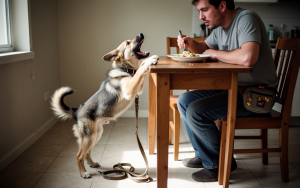
Once your dog reliably associates the mat with relaxation, introduce mild distractions while keeping the exercise comfortable. Begin with low-level distractions, such as soft noises or household activity at a distance, while your dog remains on the mat. Use high-value treats to reinforce calmness, rewarding calm, relaxed behaviour on the mat. According to Battersea, gradually increase the distance between you and the mat, rewarding your dog for staying on it as you move further away. This helps them learn to focus on the mat despite spatial separation. Next, practice in different rooms or areas of the home, ensuring the mat remains a consistent cue for relaxation. Avoid overwhelming your dog; if they become stressed, reduce the distraction level and return to a quieter environment. Over time, introduce more complex stimuli, such as visitors entering the room or other pets nearby, always pairing calm mat use with rewards. The goal is to build resilience, not force compliance—your dog should choose the mat as a safe, predictable space even when distractions rise. This process requires patience, as progress depends on your dog’s individual temperament and prior experiences.
Disclosure: As an Amazon Associate I earn from qualifying purchases. Links in the related-products section are paid links.
Related products
This article may be complemented by dog settle training mat with non-slip backing.