Preparing a puppy for short periods home alone involves gradual, positive experiences to build comfort and reduce distress. Start with brief absences and slowly increase duration, ensuring the puppy has access to safe, familiar spaces. Watch how your puppy responds and make the exercise easier if they appear unsettled; these observations do not establish a diagnosis. Always ensure the puppy has access to water and a secure area, such as a crate or room with a baby gate, to promote a sense of safety. What works for one puppy may not suit another, so tailor strategies based on individual behavior and needs.
Gradual Absences for Comfortable Alone Time
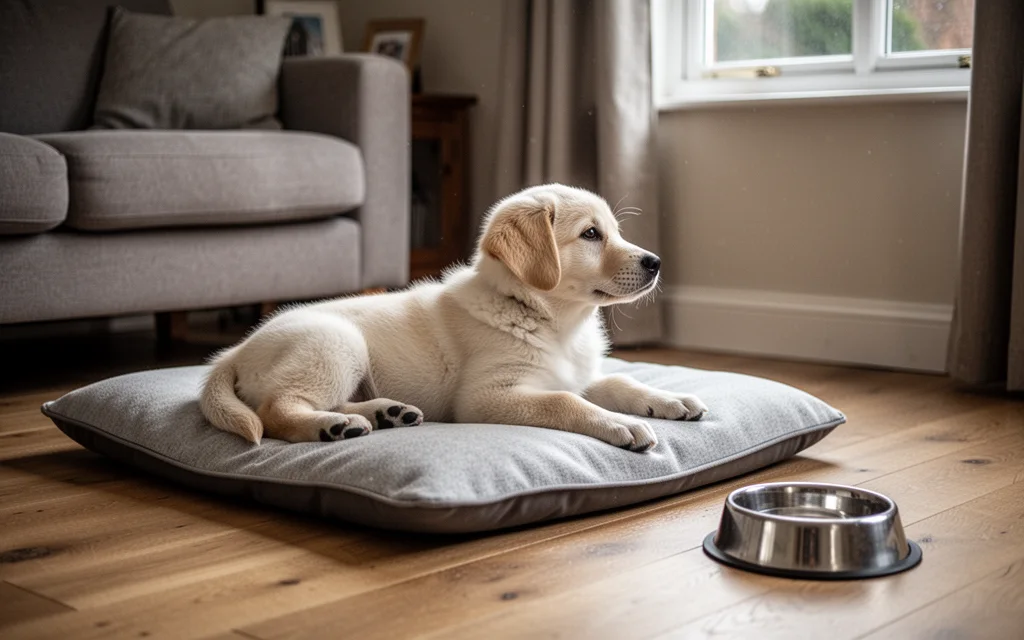
Introducing your puppy to short periods of absence requires careful planning and consistency to ensure they associate being alone with safety and comfort. Begin by selecting a quiet, familiar space where your puppy can stay while you are briefly away. This area should include a bed, water, and appropriate chew toys to keep them occupied and calm. Avoid using this space only when you are leaving, as this may create a negative association with the room or area.
A practical tool to use during this process is a stair gate, which allows your puppy to see, hear, and smell you while you are still in the house. This helps them understand that your absence is temporary and not a cause for distress. Start by stepping just a few feet away from your puppy, then gradually increase the distance over several days. The goal is to build their confidence so that they can eventually remain calm when you are out of sight.
As your puppy becomes more comfortable, you can begin to leave them alone for short periods while you are in another part of the house. Always return before they become overly anxious or distressed. This gradual approach helps your puppy learn that being alone is a normal and safe part of daily life. It is important to avoid leaving your puppy alone for extended periods too soon, as this may lead to confusion or fear.
Recognizing Distress in Puppies
Watch for panting, pacing, vocalising or attempts to follow you through a barrier. Record what happens instead of assuming a cause from one sign. Battersea recommends camera footage where possible to help identify what happens during an absence, including reactions to sounds outside. If your puppy struggles, return to an easier exercise and seek qualified help rather than extending the absence to test their limits.
- Destructive behavior targeting doors, windows, or personal items, not just toys.
- Repetitive pacing or circling in confined spaces, even when not physically restricted.
- Attempts to follow you as you exit, such as scratching at doors or jumping up at windows.
- Visible signs of physiological stress, like heavy panting or salivation, without an obvious cause.
Set up a familiar space for short practice
Stair gates offer a structured way to introduce your puppy to being alone while maintaining visual and sensory contact. Unlike closed doors, they allow your dog to see, smell, and hear you, reducing the abruptness of separation. Position the gate on the door to the room designated for alone time, ensuring it includes a bed, water, and chew toys to promote comfort. A low-volume radio playing talk shows can provide background noise, masking external sounds that might startle your puppy. This setup lets you remain present in the house while gradually increasing the distance between you and your dog, helping them associate your absence with calmness rather than distress.
- Gradual distance training: Keep the gate secured in its doorway and practise stepping farther away only while your puppy remains comfortable. If your puppy shows signs of stress, pause and revisit earlier steps.
- Desensitization to cues: Practice handling items like keys or coats near your puppy without leaving. This helps them avoid linking these objects with departure. The Blue Cross notes that some dogs may need repeated exposure to these sounds while remaining relaxed.
- Avoid negative associations: Use the designated area for positive experiences even when you’re present, such as feeding or playtime. The Blue Cross warns against confining your dog there only during departures, as this could reinforce isolation as a negative experience.
- Supplement with stimulation: Ensure your puppy has ample mental and physical activity before alone time. Battersea Dogs & Cats Home explains that boredom can exacerbate anxiety, so interactive toys or walks may reduce stress during absences.
Disclosure: As an Amazon Associate I earn from qualifying purchases. Links in the related-products section are paid links.
Related products
This article may be complemented by puppy safe home alone space ideas.
Browse related products on Amazon