Helping a dog afraid of fireworks involves preparing a safe, quiet space, using sound masking techniques, and maintaining calm during events. Before firework nights, create a den with blankets and familiar items to provide comfort. During events, play calming music or white noise to reduce startling sounds. Afterward, offer reassurance and avoid overstimulation. Desensitisation training during quieter months can help build confidence, using recordings at low volumes gradually. Consult a vet early if fear persists, as professional guidance ensures tailored strategies. Avoid unproven remedies; focus on consistent, stress-free approaches that prioritize the dog’s safety and well-being.
Designing a Secure and Comforting Space
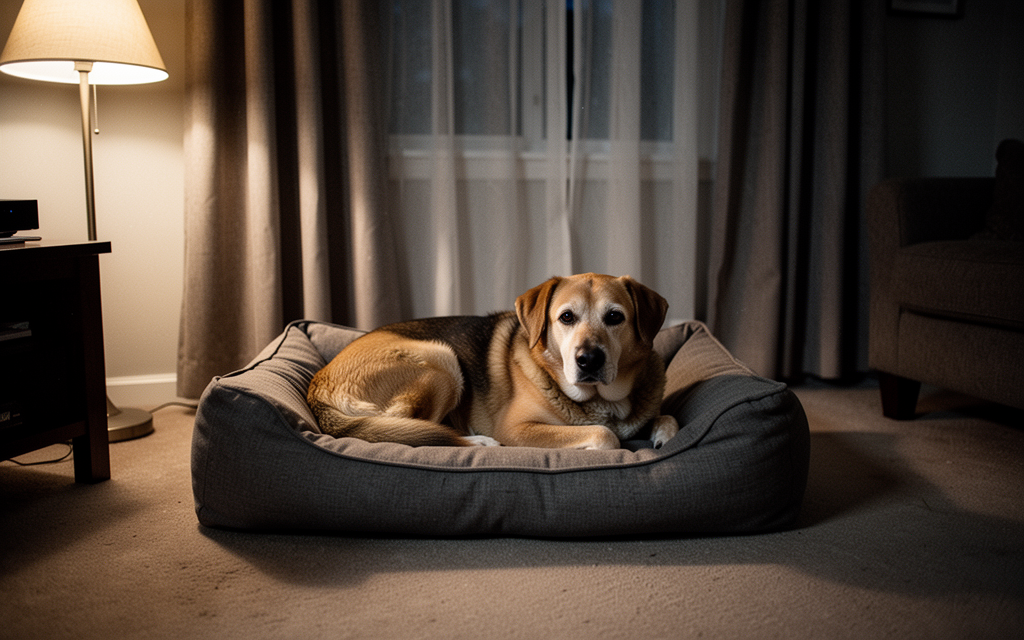
A secure and comforting space is essential for helping a dog feel safe during firework events. This space should be located in a quiet area of the home, away from windows and exterior walls where noise and light from fireworks are most intense. Interior rooms, such as a bathroom, closet, or basement, can provide a sense of enclosure and reduce exposure to external stimuli. The room should be filled with familiar items, such as the dog’s favourite toys, bedding, and blankets, to create a sense of comfort and predictability.
To further reduce noise, consider using thick curtains or blankets to cover windows, and place rugs or carpets on the floor to absorb sound. White noise machines or soft background music can help mask the sudden and startling sounds of fireworks. It is important to avoid overstimulating the dog with too many new items or changes in the environment, as this can increase anxiety.
The space should be easily accessible at all times, even when the owner is not at home. Dogs should be encouraged to use it voluntarily, without being forced or punished for seeking refuge. Consistency is key, and over time, the dog may begin to associate this space with safety and comfort rather than fear. If possible, consider temporarily relocating the dog to a trusted family member’s home during firework events, especially if the dog’s anxiety is severe or the home environment is not ideal for managing stress.
Masking Firework Sounds with Care
Using background noise to reduce the impact of fireworks requires careful planning and testing. Start by selecting tools that provide consistent, low-volume sound—such as a radio or white noise machine—before fireworks night. These should be tested in advance to ensure they do not cause additional stress. For example, Dogs Trust developed a science-backed Sound Blanket that masks fireworks noise, but its effectiveness depends on how well it integrates with your dog’s environment. Avoid sudden changes in volume or type of sound, as dogs are highly sensitive to auditory shifts. If using recordings of fireworks for desensitisation, pair them with treats or play at a low volume while your dog is relaxed, as advised by Canine Bible. Always ensure the chosen method does not inadvertently heighten anxiety, such as by overwhelming your dog with competing noises. This approach should complement, not replace, creating a safe, quiet den and maintaining your own calm presence.
- Test tools beforehand: Trial any device or recording in a low-stress setting to confirm it does not trigger fear. A poorly fitting wrap or unfamiliar supplement, as noted by PetMD, can add unintended stress.
- Use consistent, low-volume background noise: Play soft, familiar sounds—like classical music or nature recordings—to create a buffer against sudden fireworks. Avoid abrupt changes in volume or type of noise, as dogs process auditory shifts more intensely than humans, according to RSPCA.
- Pair with positive reinforcement: Gradually introduce fireworks recordings at a low volume while offering treats or toys. This helps dogs associate the sound with comfort, as outlined by Canine Bible. Stop immediately if your dog shows signs of distress.
Masking should never be a substitute for addressing underlying fear. If your dog’s anxiety persists, consult a vet about sound phobia management, as recommended by multiple sources.
Maintaining Calm and Consistent Behavior
A dog’s reaction to fireworks is often influenced by the emotional state of the person closest to them. Dogs are highly attuned to body language, tone of voice, and overall energy levels, which means that a calm and composed owner can significantly reduce a dog’s anxiety. Conversely, if an owner shows fear, tension, or attempts to comfort the dog in an overbearing way, it may unintentionally heighten the dog’s distress. The key is to remain composed, even if the situation feels overwhelming.
One practical approach is to avoid sudden movements, loud voices, or excessive reassurance, which can be misinterpreted as a sign of danger. Instead, maintain a steady presence by sitting quietly with the dog, offering gentle physical contact if the dog accepts it, and using a soft, reassuring tone of voice. This helps the dog understand that the situation is not a threat and that the owner is in control.
Consistency in behavior is also crucial. Dogs thrive on routine, and unpredictable or erratic actions can increase their sense of uncertainty. During fireworks, avoid making sudden changes to the environment or introducing new stimuli that could further unsettle the dog. Stick to the same strategies you practiced during desensitisation training, such as using a designated safe space or playing calming music.
For additional guidance on managing a dog’s emotional state during stressful events, refer to Fireworks Calm Plan: What to Do Before, During, and After. This resource outlines how to maintain a steady, reassuring presence throughout the event, which is essential for helping the dog feel secure and supported.
Desensitization Techniques for the Off-Season
Off-season desensitization involves systematically exposing dogs to firework sounds in a controlled, low-stress environment to build confidence. Begin by selecting recordings of firework noises from reputable sources, ensuring they are not overly intense or distressing. Play these at a low volume while your dog is engaged in a calm activity, such as eating a treat or playing with a toy. Pair the sound with positive reinforcement, like praise or a high-value reward, to create an association between the noise and something pleasant. Gradually increase the volume over weeks, ensuring your dog remains relaxed. If signs of stress emerge, pause and return to a lower volume. Introduce variations in the recordings—different firework types, distances, or durations—to broaden your dog’s adaptability. Avoid sudden exposure or punishment, as this can worsen fear. Consistency is key: short, frequent sessions during the off-season help dogs process the sounds without overwhelm. If your dog’s anxiety persists or escalates, consult a veterinarian or certified behaviourist for tailored strategies. This approach requires patience, as progress depends on the dog’s individual temperament and past experiences.
Some organisations offer science-backed tools to support this process. For example, Dog Trust describes a Sound Blanket, a collection of sounds designed to help dogs during fireworks season, which may complement desensitization efforts when used alongside training. Always test any new tool or method before firework season to ensure it does not inadvertently increase stress. The goal is to foster gradual familiarity, not force exposure, ensuring the dog feels in control throughout the process.
When to Seek Professional Guidance
Recognizing the signs of sound phobia is critical to determining when professional help is needed. If your dog exhibits extreme reactions such as persistent shaking, frantic pacing, attempts to escape, or physical symptoms like excessive drooling or vomiting during fireworks, these may indicate a more severe fear response than can be managed with home strategies alone. Dogs that display these behaviors repeatedly, even in the absence of fireworks, may also benefit from a veterinary assessment. A veterinarian can evaluate your dog’s overall health, rule out underlying conditions, and recommend tailored interventions such as behavior modification plans or desensitization techniques. Early intervention is particularly important, as prolonged exposure to stressful stimuli without support can worsen anxiety over time.
Professional guidance becomes essential if your dog’s fear interferes with daily life, such as refusing to eat, avoiding certain rooms, or showing aggression when startled. In these cases, a vet or certified animal behaviorist may suggest structured training programs, environmental adjustments, or the use of science-backed tools like the Sound Blanket from Dogs Trust, which uses low-level noise to help dogs gradually acclimate. They can also advise against practices that may exacerbate fear, such as punishment or forced exposure, which can deepen anxiety. A vet’s input ensures that any approach aligns with your dog’s individual needs, considering factors like age, health, and past experiences. If home methods fail to reduce distress or if your dog’s reactions escalate, consulting a professional is a proactive step to ensure their well-being and prevent long-term behavioral issues.
Disclosure: As an Amazon Associate I earn from qualifying purchases. Links in the related-products section are paid links.