
Puppy Care
Read more →
A Puppy Chewing Crate Bars: Safety Checks and Next Steps
When a puppy chews on crate bars, the immediate priority is preventing access to sharp edges or potential injury.
Practical puppy care and reward-based dog training
When a puppy chews on crate bars, the immediate priority is preventing access to sharp edges or potential injury.
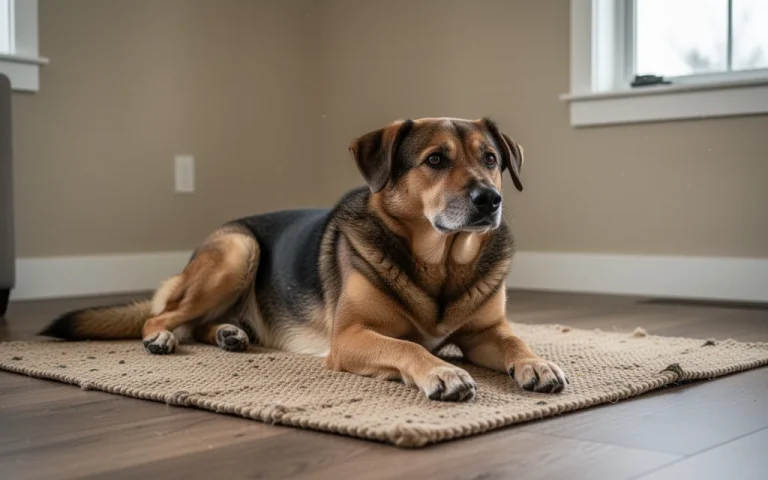
Introducing a settle mat to your dog involves creating a space where they can learn to associate calmness with relaxation.
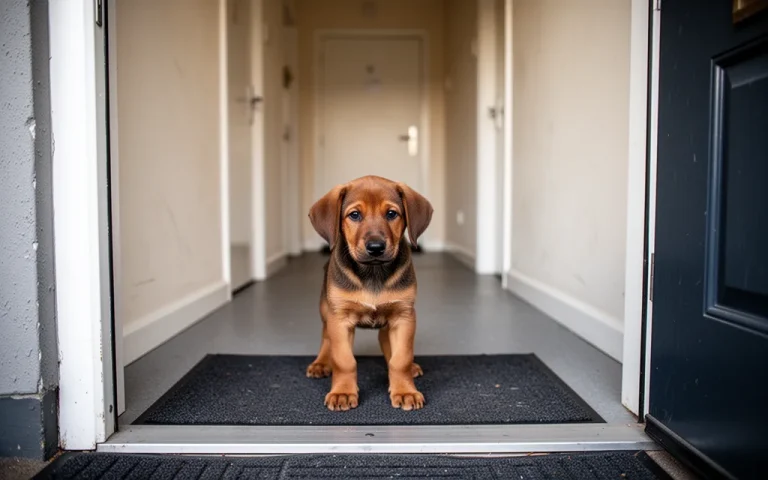
Puppy toilet training in an apartment without a garden requires planning for vertical movement, such as navigating stairs or using lifts to reach designated outdoor areas.

Preparing a puppy for short periods home alone involves gradual, positive experiences to build comfort and reduce distress.
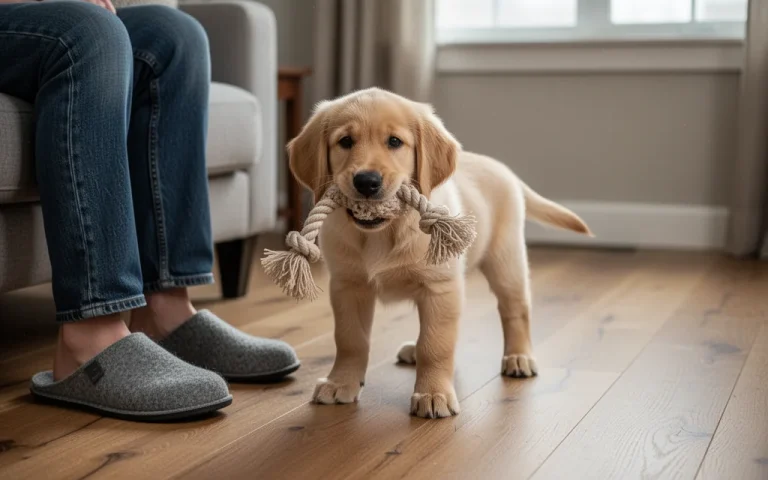
When your puppy bites moving feet or trouser legs, it often stems from playful curiosity or overexcitement.
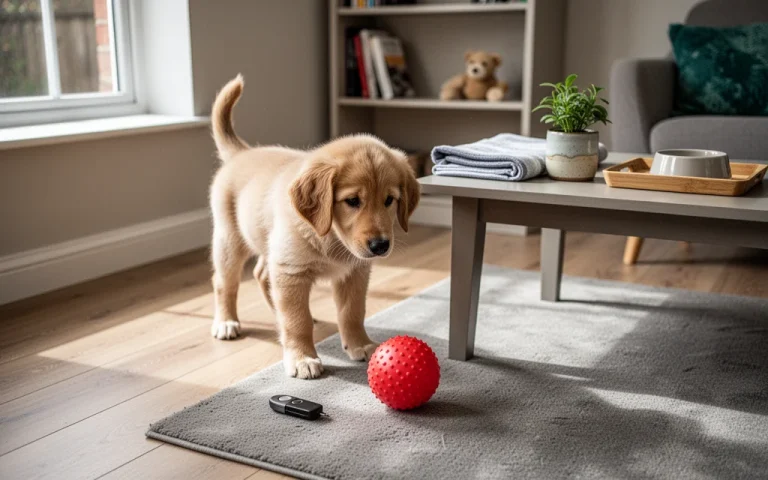
A puppy socialisation checklist UK should focus on gradual, gentle exposure to everyday environments, guided by a vet’s advice on vaccination timelines and public-ground safety.
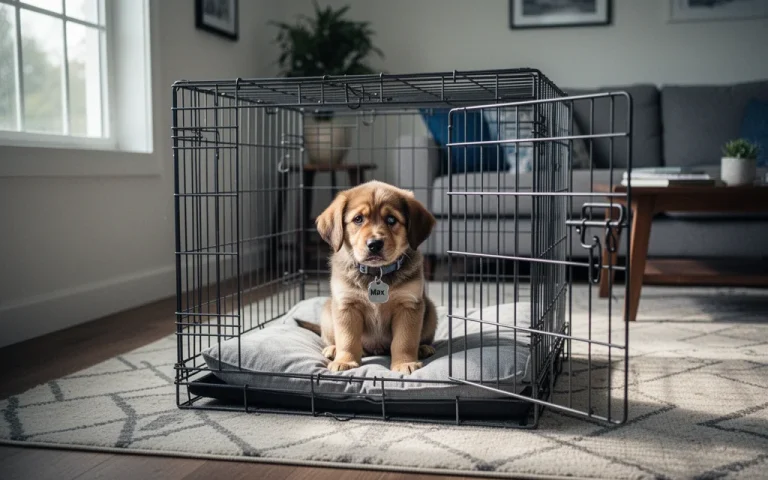
When a puppy cries in the crate, start by checking if they need toileting, are uncomfortable, or show signs of distress.
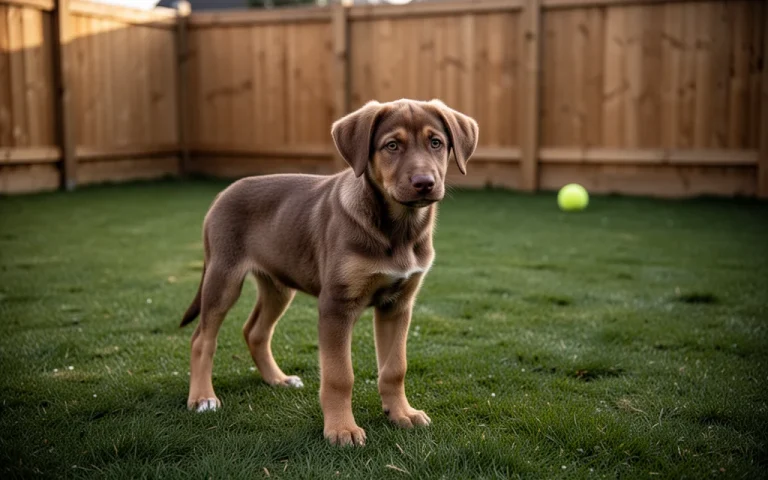
Practising dog recall training with distractions requires a structured approach that builds from controlled environments to more challenging settings.

Addressing puppy toilet training at night involves creating safe, accessible routines that align with your puppy’s natural rhythms.

Your puppy’s first day at home needs a manageable plan, with space to settle and people who know which jobs they are doing. Prepare the home before arrival, keep the handover information together, and leave room to respond to the puppy rather than filling the day with appointments.