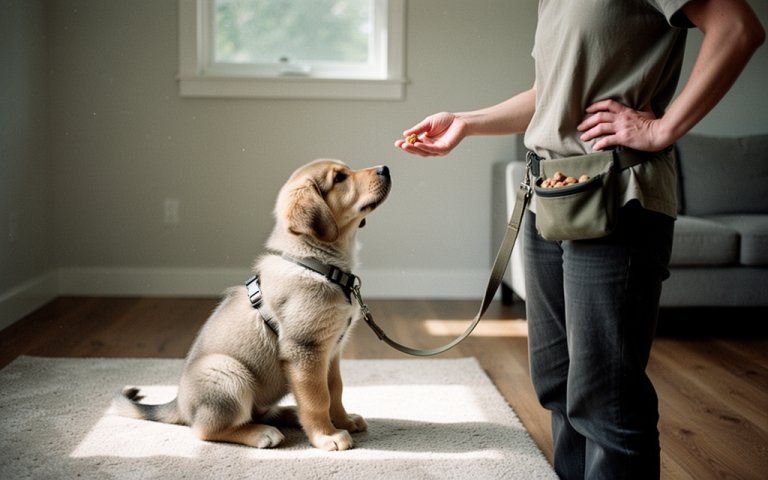
Dog Training
Read more →
How to Teach Puppy Leave It: A Reward-Based Approach
Teaching a dog to ‘leave it’ involves building a trained impulse-control cue through short, positive sessions rather than relying on instinct.
Practical puppy care and reward-based dog training
Teaching a dog to ‘leave it’ involves building a trained impulse-control cue through short, positive sessions rather than relying on instinct.
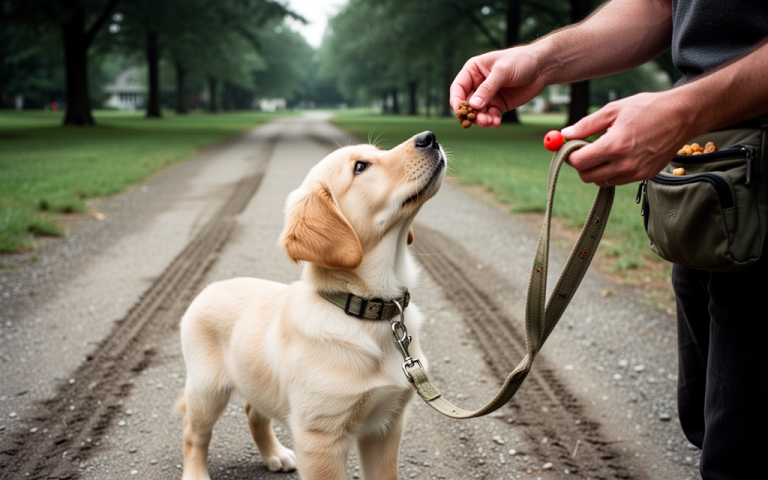
To stop a dog from scavenging on walks, teach a ‘leave it’ command, choose safe routes, and use a short lead for better control.
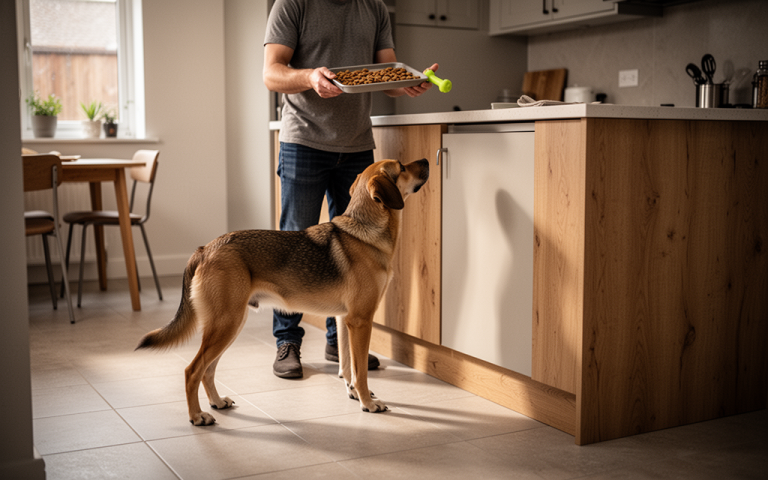
Stopping a dog from counter surfing requires proactive management and positive reinforcement.
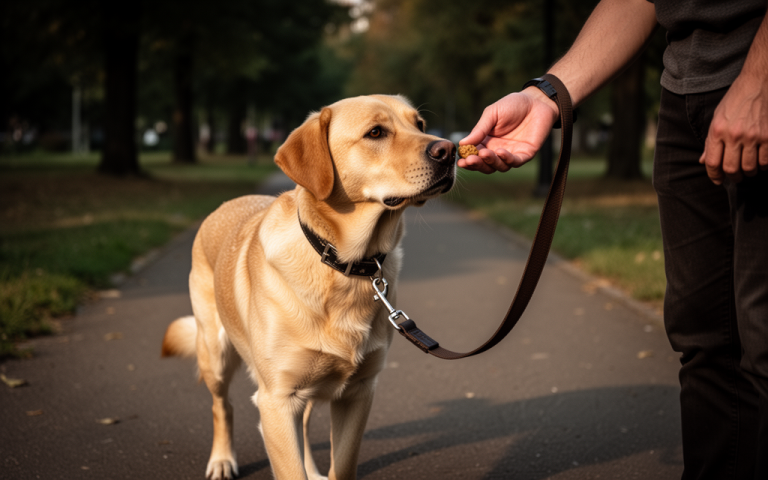
To stop a dog pulling on the lead, use a humane loose-lead progression that rewards calm walking and makes pulling unproductive.
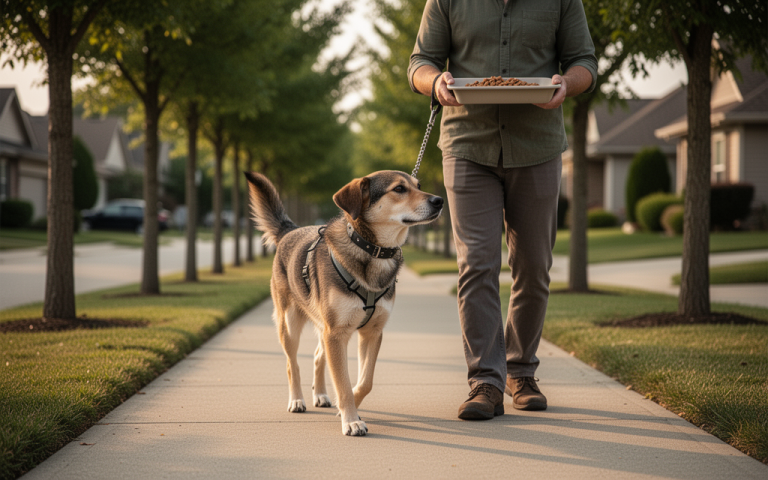
When your puppy freezes on a walk and won’t move, it may be a sign of fear, confusion, or a need to explore, rather than a refusal to walk.
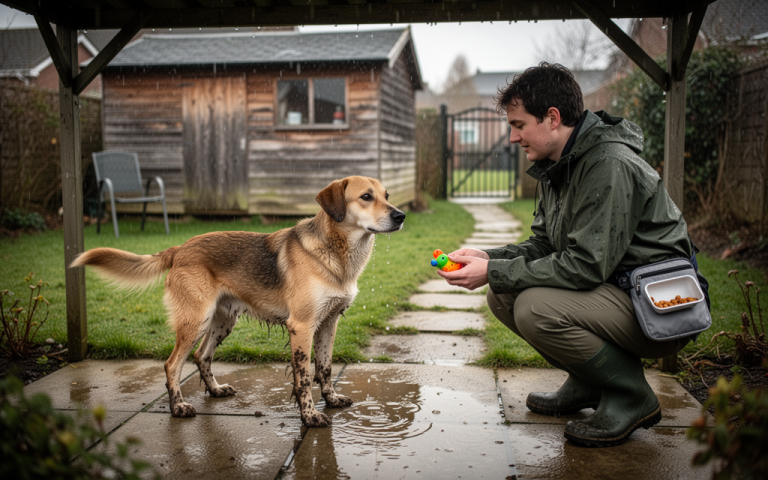
If your dog refuses to walk in the rain, it may be reacting to discomfort, fear, or sensory overload rather than outright resistance.
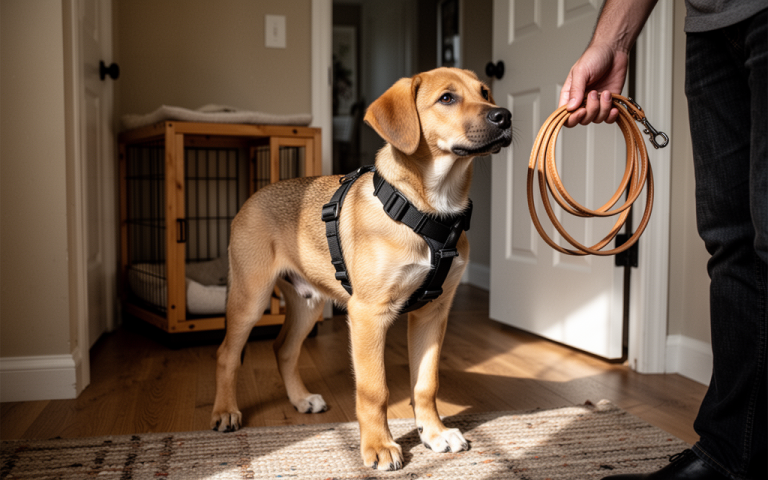
Preparing for your puppy’s first walk involves prioritizing comfort and control.

When a puppy becomes reluctant to use the crate, it may signal a shift in comfort or an underlying issue requiring reassessment.
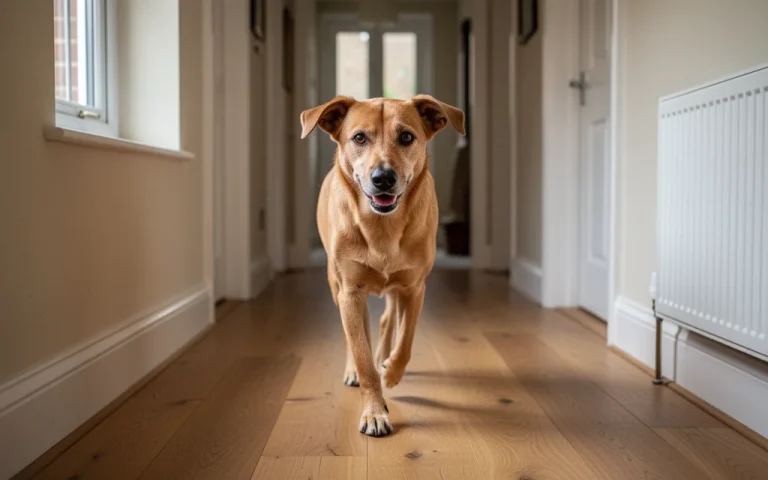
Simple recall games at home focus on building reliable responses through consistent, reward-based practice in a controlled environment.

Puppy biting for attention is a common challenge that often signals a need for clearer communication.