When a puppy cries in the crate, first check if they need to go to the toilet, as young puppies often wake during the night. Ensure the crate is a safe, comfortable space and avoid leaving them to cry it out, as this can increase anxiety. Gently settle them back down without overstimulating them. If crying persists, consider seeking advice from a qualified vet or trainer.
Check immediate needs before continuing training
When a puppy cries in the crate, the first step is to check if they need to go to the toilet, as young puppies often wake during the night and may not be able to hold their bladder for long. This is especially important in the first few weeks after bringing them home, as they are still adjusting to their new environment and routines.
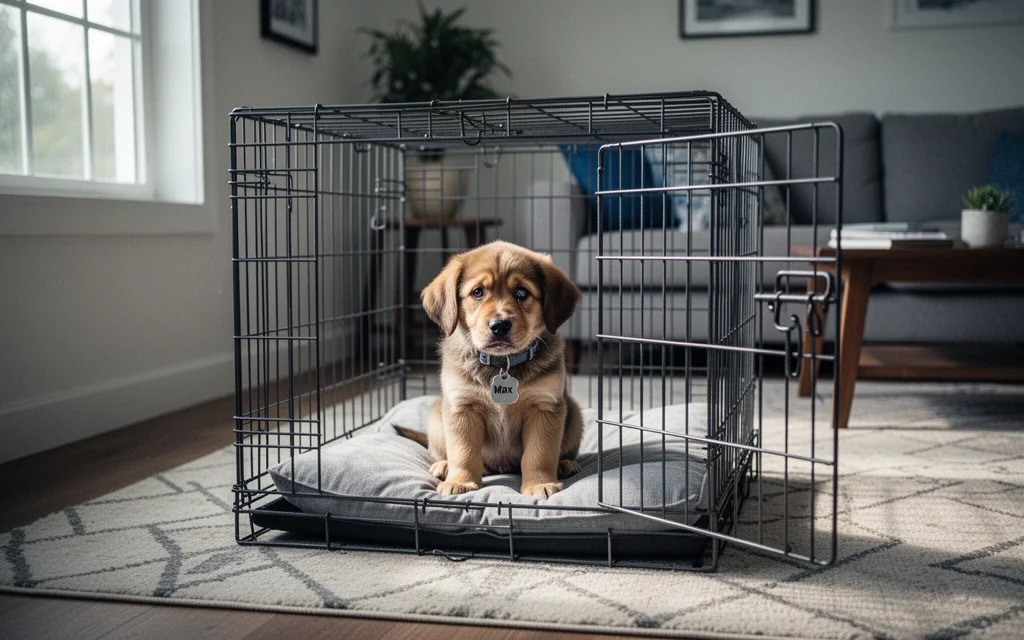
Ensure the crate is a safe, comfortable space where the puppy can feel secure. It should be placed in a calm, quiet area of the home and should be large enough for the puppy to stand, turn around, and lie down comfortably. Avoid using the crate as a form of punishment, as this can create negative associations and increase anxiety.
If the puppy continues to cry after checking for toileting needs, gently settle them back down without overstimulating them. Avoid leaving them to cry it out, as this can lead to increased distress and make them more anxious about being alone. Instead, provide reassurance through calm presence and minimal interaction, such as soft words or a gentle touch, to help them feel safe and comforted.
If the crying persists despite these steps, it may be a sign of deeper distress or discomfort. In such cases, it is advisable to seek advice from a qualified vet or trainer. Persistent crying can indicate issues such as fear, pain, or a lack of confidence, which may require professional guidance to address effectively.
If your puppy is frightened rather than comfortable
If your puppy is frightened rather than comfortable in the crate, it is important to distinguish between anxiety and a need for reassurance. Puppies may cry when they feel scared, especially if they are not used to being alone or if the crate feels unfamiliar or restrictive. In such cases, the puppy may not be seeking a toilet break but instead expressing fear or distress.
Ensure the crate is placed in a calm, quiet area of the home and that it is not too small or too open. A crate that is too open can make a puppy feel exposed and vulnerable, increasing their sense of fear. Provide soft bedding and familiar items, such as a toy or a blanket with your scent, to help them feel more secure.
When your puppy is frightened, avoid leaving them to cry it out. Instead, offer gentle reassurance through your presence. Sit nearby and speak in a calm, soothing voice. Avoid overstimulating them with play or excessive interaction, but your presence alone can help them feel more at ease.
If the puppy continues to show signs of fear or distress, such as trembling, whining, or attempting to escape the crate, it may be a sign of deeper anxiety or discomfort. In these cases, it is advisable to seek advice from a qualified vet or trainer. Persistent fear or distress should not be ignored, as it can affect the puppy’s long-term well-being and confidence.
For example, if your puppy is crying and appears to be in a state of panic, you might try placing them in a slightly larger crate or a playpen for the night, as these can offer more space and a sense of security. Always ensure that the environment is safe and that the puppy is not left alone for extended periods when they are clearly distressed.
Make the next crate practice easier
Record what happened and when to ask for help
Record what happened and when to ask for help by noting the time, duration, and any patterns in your puppy’s crying. This information can help a qualified professional identify potential causes, such as discomfort, fear, or a need for a toilet break. Make a note of whether the puppy seems distressed, anxious, or simply unsettled, as this can guide the type of support they may need.
It is also helpful to record any changes in your puppy’s environment, such as new furniture, loud noises, or the introduction of other pets. These factors can influence their behaviour and may be contributing to their distress. Keeping a simple log can help you identify triggers and provide more accurate information to a professional if needed.
If you are unsure about how to proceed, or if the crying continues despite your best efforts, it is important to seek help from a qualified vet or trainer. They can provide tailored advice based on your puppy’s specific needs and help you develop a plan that supports their well-being and comfort.