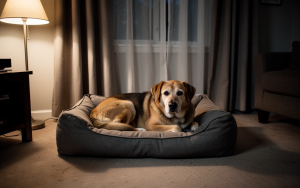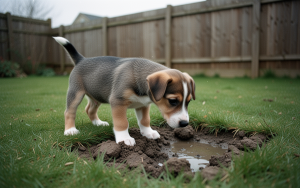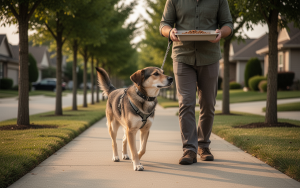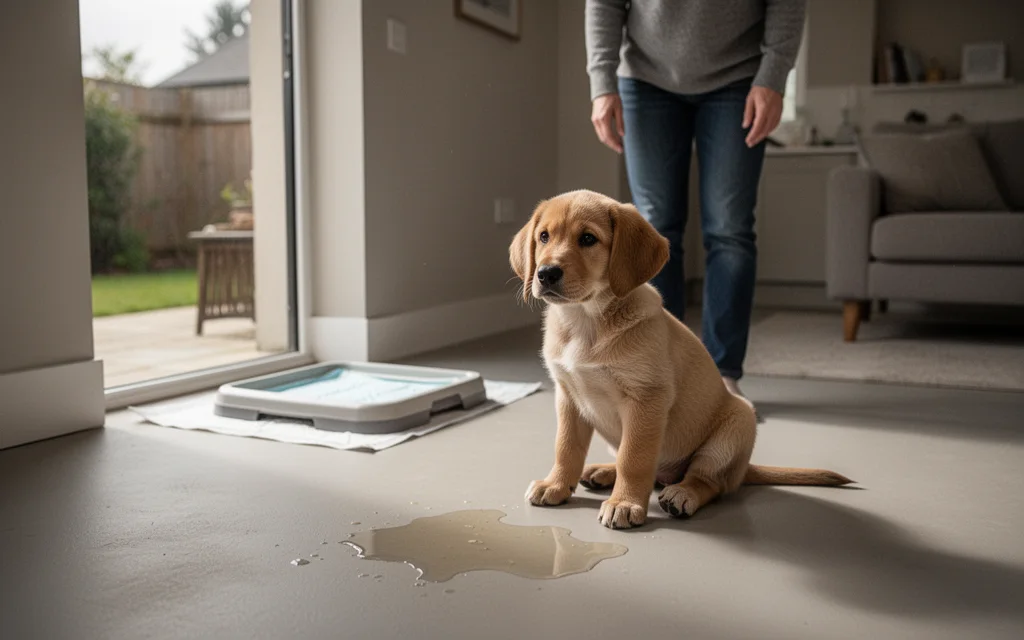
When puppy toilet training goes backwards, it often signals a shift in routine, environment, or health rather than a failure in training. Start by noting any recent changes in your puppy’s schedule, such as altered feeding times, new household stressors, or reduced outdoor access. Check that designated toilet areas remain consistent and accessible, and ensure walks occur at regular intervals, especially after meals or naps. Avoid punishment for accidents, as this may increase anxiety. If your puppy has newly started having accidents after being reliable, contact your vet to check for a medical cause; do not wait for a training experiment to fail first. Focus on maintaining calm, consistency, and clear communication to support progress.
Observation Checklist for Regression Triggers
Regression in toilet training often signals a shift in your puppy’s environment, daily rhythm, or emotional state. Begin by noting any recent changes that might disrupt their sense of security or routine. For example, has your puppy been exposed to new people, pets, or household items that could cause anxiety? Are they spending more time in areas without consistent access to a designated toilet spot? According to Dogs Trust, environmental instability or routine disruptions are common triggers for accidents, even in previously trained dogs.
- Environmental shifts: Has your puppy recently moved to a new home, experienced a change in room layout, or been introduced to unfamiliar scents (e.g., cleaning products, guests)?
- Routine consistency: Are feeding times, walks, or play sessions now irregular? Note what has changed without assuming that it explains every accident.
- Access limitations: Is your puppy confined to a playpen or crate for extended periods? While Dogs Trust notes that crates can aid training, overuse might limit opportunities to learn outdoor habits.
- Stress indicators: Does your puppy show signs of anxiety, such as pacing, whining, or avoiding certain areas? Record these observations for the professional helping you; they do not establish a cause.
- Medical considerations: While not a diagnosis, sudden regression could hint at discomfort. Monitor for other symptoms like lethargy or changes in appetite, and consult a vet if concerns arise.
Document these observations in a journal to identify patterns. If environmental or routine factors are evident, adjust them gradually. If uncertainty remains, seek guidance from your vet about medical concerns and a qualified behaviour professional about training difficulties.
Use a simple household record to find missed opportunities
You can use the following as an optional recording example. It is a way to organise what happened, not a diagnosis or a fixed toileting schedule. On a sheet of paper, make columns for the time, what happened just beforehand, where your puppy was, whether an outdoor opportunity was offered, and what happened next. Leave a space for questions to ask your vet.
For example, one household might write: “Woke from a nap; rear door was closed; accident beside the door before anyone noticed.” Another entry might say: “Returned from outside; no toilet observed; accident later in the kitchen.” Those entries describe different situations. They give you something more useful to discuss than simply labelling the whole day a failure.
Look at practical access as well. Who is available to take the puppy out, and does everyone know which door and toilet area the household is using? A shared note can make handovers clearer. Keep feeding and health questions separate from the record: it is not a reason to restrict water or change a diet without appropriate advice.
For the underlying training steps, use Dogs Trust’s toilet-training guidance: offer regular opportunities outdoors, including after waking and meals, and reward successful toileting. Clean accidents calmly and avoid punishment. The record helps you apply the routine to your household rather than imposing a timetable copied from someone else’s puppy.
When to Seek Veterinary Advice
Observing your puppy’s behaviour over time can help identify patterns that suggest a need for professional guidance. A new change in established toilet habits deserves a veterinary discussion, alongside your observations about the routine. This is especially relevant if your puppy exhibits signs that may indicate underlying issues beyond typical training challenges. For example, if your puppy begins avoiding the designated toilet area, shows discomfort during or after toileting, or has changes in urination frequency, volume, or consistency, these could signal a need for further investigation. Describe the change to your vet rather than trying to identify its cause from a checklist.
-
Monitor for sudden, unexplained changes in toileting habits, such as increased urgency, frequent attempts to go, or accidents in new locations. These may not always be linked to training regression but could reflect shifts in your puppy’s physical or emotional state.
-
Pay attention to signs of distress during or after toileting, such as whining, shaking, or reluctance to complete the act. These behaviours, while not definitive indicators of illness, may warrant a veterinary check-up to rule out discomfort or pain.
-
If your puppy’s regression coincides with recent environmental changes—such as moving to a new home, the arrival of a new family member, or altered routines—consider whether these factors are contributing. A recent household change does not exclude a medical problem.
-
Document the frequency and context of accidents, including time of day, location, and any associated behaviours. This information can aid a veterinarian in evaluating possible causes, without requiring you to interpret the symptoms yourself.
Resources such as Why Toilet-Trained Dogs Have Accidents | Dogs Trust note that medical issues can influence toileting patterns, but a vet’s assessment is necessary to explore these possibilities. The goal is to distinguish between training challenges and situations requiring professional intervention, ensuring your puppy receives appropriate support without unnecessary assumptions about their health.
Disclosure: As an Amazon Associate I earn from qualifying purchases. Links in the related-products section are paid links.
Related products
This article may be complemented by puppy toilet training schedule chart.
Browse related products on Amazon