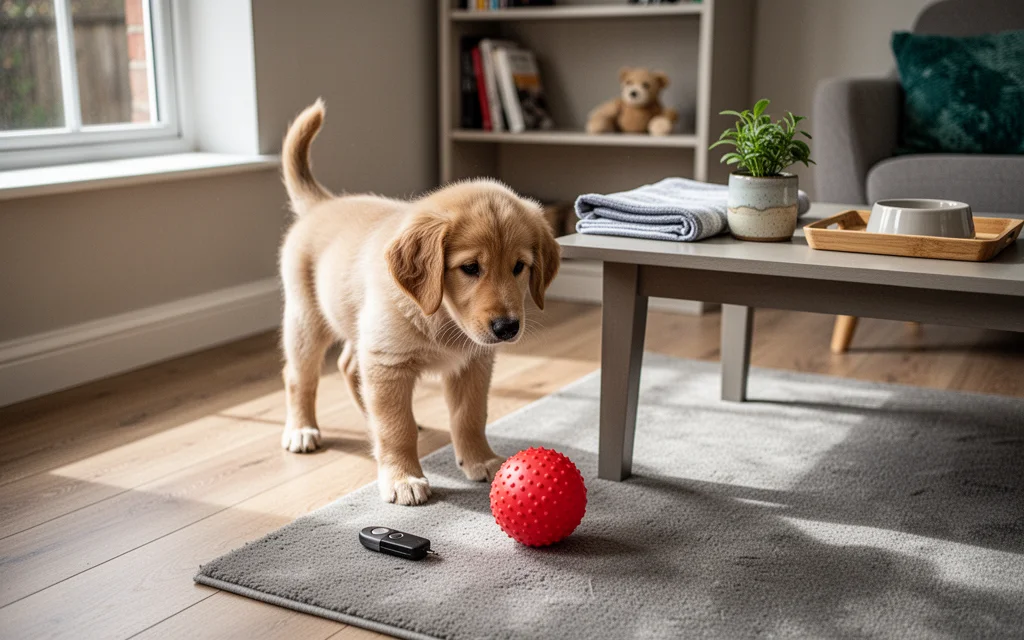
Use this checklist to gently introduce your puppy to everyday UK life. Include experiences like car rides, walking past buses, and meeting calm people. Log your puppy’s reactions to track progress. Always consult your vet before exposing your puppy to public areas or unvaccinated dogs. Avoid forcing greetings; let your puppy approach at their own pace. Keep sessions short and positive, using treats and praise. Ensure your puppy is comfortable being alone for short periods and gets used to household routines. Follow your vet’s advice on vaccination timelines and disease risks.
Examples of gentle exposure:
- Walking near a quiet park
- Listening to loud noises from a safe distance
- Meeting family friends in a familiar setting
Start with everyday experiences at home
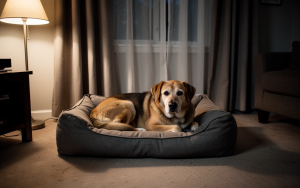
Begin by introducing your puppy to everyday experiences within the safety of your home. This can include allowing them to explore different rooms, getting used to household noises such as vacuum cleaners or doorbells, and becoming familiar with the presence of other family members. These early experiences help your puppy feel secure and confident in their new environment. Keep interactions calm and positive, using treats and praise to reinforce good behaviour. This is also a time to start teaching your puppy to be comfortable being alone for short periods, such as while you are in another room or preparing a meal.
Gradually introduce your puppy to new sights and sounds from a safe distance. For example, you could walk them past a quiet street or let them listen to the sound of a passing bus from inside your home. These experiences should be brief and only introduced when your puppy is relaxed. Always observe your puppy’s body language and remove them from the situation if they show signs of stress or fear. This helps build their confidence and ensures they associate new experiences with positive outcomes.
Use the following examples to guide your puppy’s early exposure:
- Letting your puppy sit in a different room while you cook
- Allowing them to watch the TV from a safe distance
- Introducing them to different types of flooring, such as tiles or carpets
These experiences should be repeated over time, allowing your puppy to become familiar and comfortable with their surroundings. Always consult your vet before taking your puppy outside or exposing them to unvaccinated dogs, as their health and safety must be a priority.
Plan gentle introductions to people and dogs
Plan gentle introductions to people and dogs by starting with short, positive encounters that allow your puppy to explore at their own pace. This can include letting your puppy observe people from a distance, such as in a park or on a walk, without forcing direct interaction. Use treats and praise to create a positive association with these experiences. Always ensure that your puppy is comfortable and not overwhelmed, and be ready to remove them from the situation if they show signs of stress or fear.
When introducing your puppy to other dogs, choose calm and friendly dogs that are fully vaccinated. Observe their body language and only allow interactions if both dogs seem relaxed. Avoid overstimulating your puppy by keeping these encounters brief and controlled. This helps your puppy learn how to interact with other dogs in a safe and positive way, building their confidence and social skills.
Use the following examples to guide your puppy’s early interactions:
- Letting your puppy watch people from a safe distance while on a walk
- Allowing them to sniff and observe other dogs in a controlled environment
- Introducing them to different types of people, such as children or elderly individuals, in a familiar setting
These experiences should be repeated over time, allowing your puppy to become familiar and comfortable with their surroundings. Always consult your vet before taking your puppy outside or exposing them to unvaccinated dogs, as their health and safety must be a priority.
Check safe ways to explore outside with your vet
Before taking your puppy outside, consult your vet to determine when they are fully protected by their vaccinations. This is essential to avoid exposure to diseases such as Parvovirus and Distemper, which can be fatal for puppies. Until they are fully vaccinated, keep your puppy safe by exploring outside in a controlled manner, such as carrying them in a stroller or walking them along quiet streets where they can experience the world without direct contact with other dogs or unvaccinated animals.
Use the following safe methods to help your puppy explore outside while still protected:
- Carrying your puppy in a stroller or sling to expose them to new sights and sounds
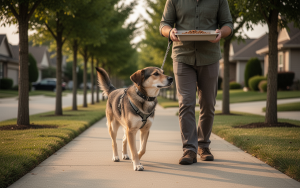
- Walking them along quiet, low-traffic areas to introduce them to traffic, people, and other animals from a safe distance
- Allowing them to observe the outside world from a window or balcony, where they can see and hear without being exposed to potential dangers
These experiences should be short and positive, using treats and praise to reinforce good behaviour and build confidence.
Always observe your puppy’s body language and be ready to remove them from any situation that causes stress or fear. If your puppy seems anxious, take them back to a calm and familiar environment and try again later. This approach ensures that your puppy remains comfortable and enjoys the experience, helping them develop into a confident and well-adjusted adult dog.
For example, you could carry your puppy past a quiet park or let them watch people walking by from a window. These gentle introductions help them become familiar with the world around them without compromising their health. Remember, the goal is to provide a safe and positive experience, not to force exposure or interaction.
Keep a short checklist of experiences and responses
Keep a short checklist of experiences and responses to help your puppy build confidence and familiarity with the world. This checklist should include gentle, positive interactions that your puppy can explore at their own pace. Examples might include letting your puppy sit in a different room while you cook, watching the TV from a safe distance, or exploring different types of flooring such as tiles or carpets. These experiences help your puppy become comfortable with their environment and reduce anxiety in new situations.
Track your puppy’s responses to each experience using a simple log. Note whether your puppy seems relaxed, curious, or anxious. This log can help you identify patterns and adjust your approach as needed. For instance, if your puppy shows signs of stress during a particular activity, you can revisit it later or modify the setting to make it more comfortable. Always ensure that your puppy is not overwhelmed and that each session is brief and positive.