Using a long line for dog recall practice requires selecting a controlled, open space free from obstacles to minimize entanglement risks. Supervised sessions focus on managing slack effectively—controlling the available length without holding the line constantly tight. Handlers should practice gentle grip-and-release techniques on the line’s end to slow the dog gradually, avoiding abrupt stops that may cause confusion. Consistent use of a clear recall cue, paired with rewards, reinforces responsiveness. Success depends on the dog’s individual temperament, the handler’s ability to read body language, and adapting the practice to the dog’s comfort level in the chosen environment.
Choosing the Right Environment for Long-Line Training
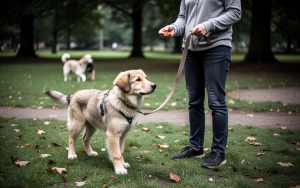
Begin by selecting a space that balances freedom and control, ensuring your dog remains focused and safe. Ideal locations include enclosed backyards, quiet parks, or indoor areas with minimal distractions. Avoid busy streets, areas with heavy foot traffic, or environments with loose debris, which can entangle the long-line or startle your dog. If using a public space, choose times when fewer people or animals are present, and always maintain visual contact with your dog to monitor their behavior and adjust the line’s tension as needed.
- Secure boundaries: Ensure the training area is fenced or has clear limits to prevent your dog from running beyond your reach. This reduces the risk of sudden stops or entanglement with external objects.
- Minimal distractions: Avoid areas with loud noises, other animals, or frequent human activity. A calm environment helps your dog associate the recall command with positive outcomes rather than competing stimuli.
- Flat, obstacle-free surfaces: Inspect the ground for branches, rocks and other things the line could snag on. If training outdoors, inspect the area beforehand for potential hazards.
- Controlled movement: Practice in spaces where you can gradually increase the distance from your dog, allowing them to build confidence while maintaining control. Avoid sudden turns or obstacles that could cause abrupt stops or panic.
For guidance on managing the long-line during training, refer to Battersea Dogs & Cats Home’s advice on long-line lead training, which emphasizes attaching the line to a harness for safety and comfort. Always prioritize your dog’s well-being by adapting the environment to their current skill level and temperament.
Managing Slack and Avoiding Entanglement
Controlling slack in a long line requires deliberate, consistent handling to maintain responsiveness and prevent complications. Use both hands to manage the line: the hand closest to the dog should focus on adjusting slack in real time, while the other hand holds the remainder of the line. This dual-hand approach allows for smoother transitions between giving freedom and tightening control. For example, if your dog moves forward, let the line slide through your near hand to grant space, then gently pull back with your far hand to shorten the distance. This method reduces abrupt stops, which can startle the dog or cause the line to tangle unexpectedly.
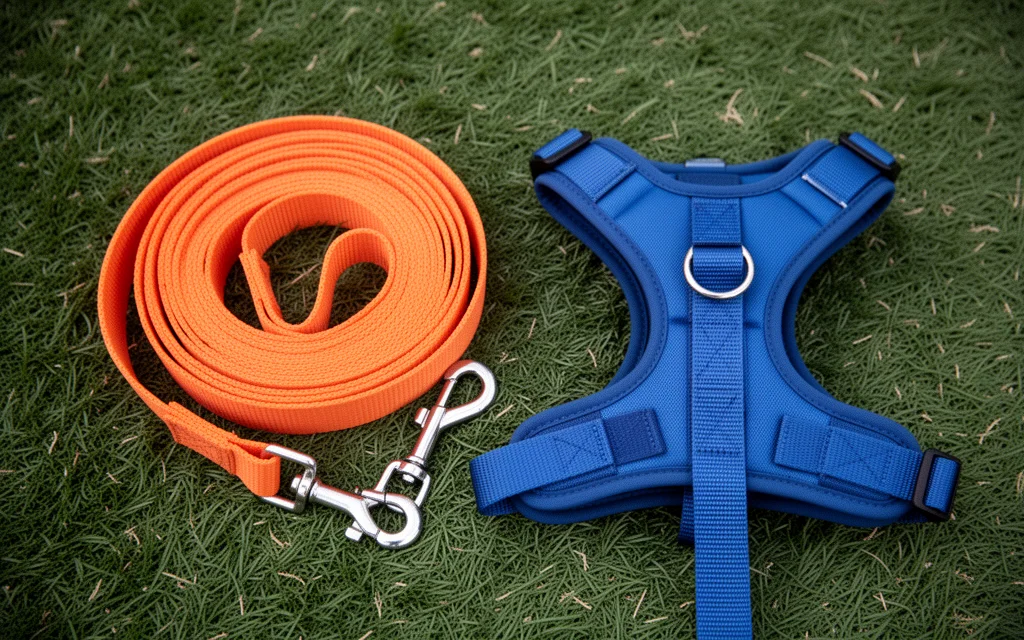
- Attachment point matters: Secure the long line to a harness rather than a collar, as harnesses distribute pressure more evenly and reduce the risk of injury if the dog pulls suddenly. If the harness has front and back fastenings, attach the line to the back fastening to keep it away from the dog’s legs and minimize entanglement opportunities. This advice is detailed in Battersea Dogs & Cats Home’s guide on using a long-line lead.
- Monitor slack dynamically: Avoid letting the full length of the line extend unless necessary. Excess slack increases the likelihood of tangling, especially in environments with obstacles or other dogs. Practice in a secure, open space initially, such as a quiet part of a park or a fenced yard, to build confidence before moving to busier areas.
- Gradual progression: As your dog becomes more responsive, you can practice “dropping” the line to the ground, allowing them to move freely while still having the option to retrieve the line if needed. This step should only occur once the dog reliably responds to recall cues, ensuring control remains intact.
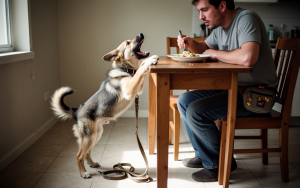
Consistency in handling and awareness of the dog’s movements are key. If the line begins to tangle, stop the session immediately and reassess the setup. Always prioritize the dog’s comfort and your ability to maintain control, adjusting techniques as needed based on their behavior and the environment.
Handling Guidance for Effective Recall
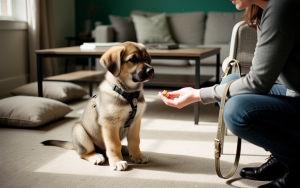
Line handling supports recall practice; slowing a dog down with the line is a different action from teaching them to return when called. Battersea explains how gripping and releasing with the hand nearer the dog can slow them gently, instead of an abrupt pull on the far end. Practise handling the equipment in a quiet setting before adding more distance or distractions. Keep rewarding the return itself during recall training.
- Manage slack proactively: Manage the available length so unnecessary slack does not collect around you, while allowing comfortable movement. If your dog veers off, adjust your position to maintain alignment rather than pulling sharply. This reduces the risk of entanglement and keeps your dog focused on you.
- Use consistent cues: Pair the recall command with a clear hand signal (e.g., pointing toward yourself) to create a reliable association. Battersea’s guidance highlights that dogs respond better to predictable signals, which minimizes confusion during practice.
- Practice in low-distraction environments: Begin in a secure, enclosed space where your dog can focus on you without interference. Gradually introduce distractions as your dog becomes more reliable, ensuring they remain attentive to your commands.
For detailed demonstrations of grip and release techniques, refer to Battersea Dogs & Cats Home’s guide on long-line lead training. This resource emphasizes the importance of using the hand closest to your dog to apply pressure, which helps maintain a calm and controlled interaction. Always prioritize your dog’s comfort and avoid overexertion during sessions, adjusting the duration based on their focus and energy levels.
Disclosure: As an Amazon Associate I earn from qualifying purchases. Links in the related-products section are paid links.
Related products
This article may be complemented by dog training long line with handle.
Browse related products on Amazon