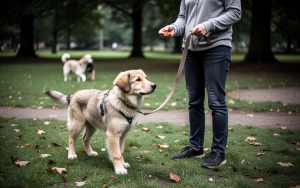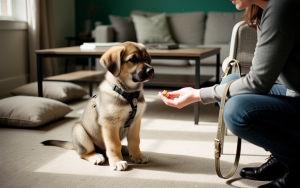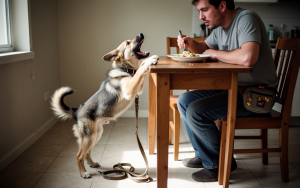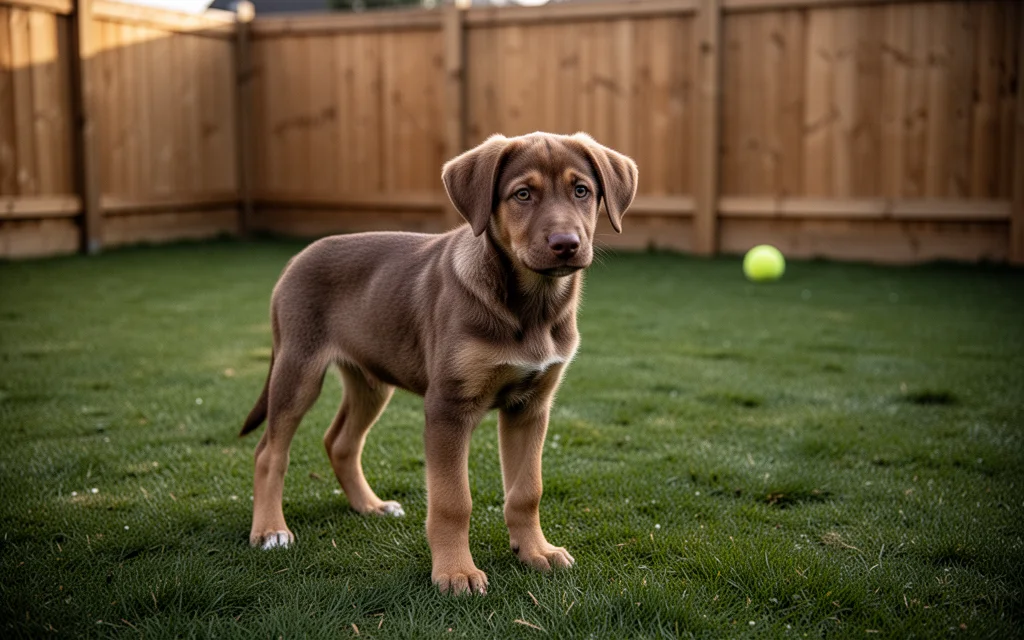
Start recall training in a quiet, secure area at home or in your garden. Ensure your dog understands the cue word, such as ‘Come,’ by rewarding them enthusiastically each time they respond. Once reliable, introduce distractions gradually, like having a friend engage your dog with a toy before calling them back. Always keep the recall positive, using high-value treats or toys they don’t get often. If your dog struggles, simplify the environment and revisit earlier steps. Use a long-line lead in public areas to maintain control while building confidence. Never promise an off-lead result until your dog reliably responds in distracting situations.
Choose a distraction your dog can cope with
Choose a distraction your dog can cope with by starting with simple, non-threatening stimuli. For example, having a friend engage your dog with a toy or a game they enjoy can be an effective way to introduce mild distractions. This allows your dog to practice recall in a situation where they are still likely to respond positively to your cue, without feeling overwhelmed or stressed. According to Battersea, it is important to ensure that the person calling your dog is always more appealing than the distraction, reinforcing that recall is a fun and rewarding experience.
Begin with distractions that your dog can easily ignore or disengage from. This might include a stationary object, a person standing still, or a familiar toy that your dog has already learned to associate with positive experiences. Avoid high-energy distractions, such as other dogs running or loud noises, until your dog has mastered recall in simpler situations. If your dog shows signs of stress or confusion, simplify the environment and revisit earlier steps to build confidence and reliability.
Use a long-line lead in public areas to maintain control while your dog is learning to respond to recall in the presence of distractions. This gives you the freedom to let your dog explore while still being able to guide them back to you if needed. As your dog becomes more confident, you can gradually increase the level of distraction, ensuring that each step is manageable and rewarding for them.
Practise one return in an easier setting
Practise one return in an easier setting by choosing a distraction your dog can cope with. Start with simple, non-threatening stimuli, such as a friend engaging your dog with a toy or game they enjoy. This allows your dog to practice recall in a situation where they are still likely to respond positively to your cue, without feeling overwhelmed or stressed. According to Battersea, it is important to ensure that the person calling your dog is always more appealing than the distraction, reinforcing that recall is a fun and rewarding experience.
If your dog does not turn back
If your dog does not turn back when called, it is important to reassess the situation and simplify the environment. This may mean returning to a quiet, secure space where your dog feels safe and is less likely to be distracted. According to Battersea, recall training should be reliable before introducing any distractions or moving to public areas. If your dog is not responding, it may be because they do not fully understand the cue or the reward is not sufficiently motivating. In this case, revisit earlier steps and ensure that the recall is always associated with positive experiences.
When your dog does not turn back, consider reducing the level of distraction and focusing on one return at a time. This could involve working with a friend or family member to engage your dog with a toy or game they enjoy, while you remain nearby and ready to call them back. It is essential that the person calling your dog is more appealing than the distraction, reinforcing that recall is a fun and rewarding experience. This helps your dog associate coming back to you with positive outcomes, rather than the end of play.
If your dog continues to ignore the recall cue, it may be necessary to use a long-line lead in public areas to maintain control and build confidence. This allows your dog to explore while still being able to return to you if needed. As your dog becomes more reliable in responding to the recall, you can gradually increase the level of distraction, ensuring that each step is manageable and rewarding for them. Never promise an off-lead result until your dog consistently responds in distracting situations.
Decide whether to repeat, simplify or move on
Decide whether to repeat, simplify or move on by observing your dog’s response to the recall cue in the current environment. If your dog consistently responds reliably, you can gradually introduce slightly more challenging distractions, such as having a friend engage them with a toy from a short distance away. However, if your dog hesitates, ignores the cue or shows signs of stress, it is best to simplify the situation by returning to a quiet, secure space where they feel safe and confident. This ensures that the recall remains a positive and rewarding experience for your dog.
Repeating the same exercise in a simpler setting can help reinforce the recall behaviour before progressing. For example, if your dog is struggling with a new distraction, you might return to a familiar area in your garden and practice one return at a time, using high-value treats or toys to maintain their motivation. This approach allows your dog to build confidence and reliability before moving on to more complex scenarios.