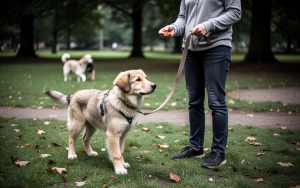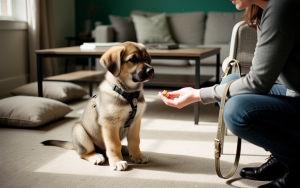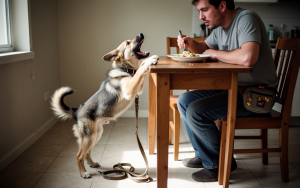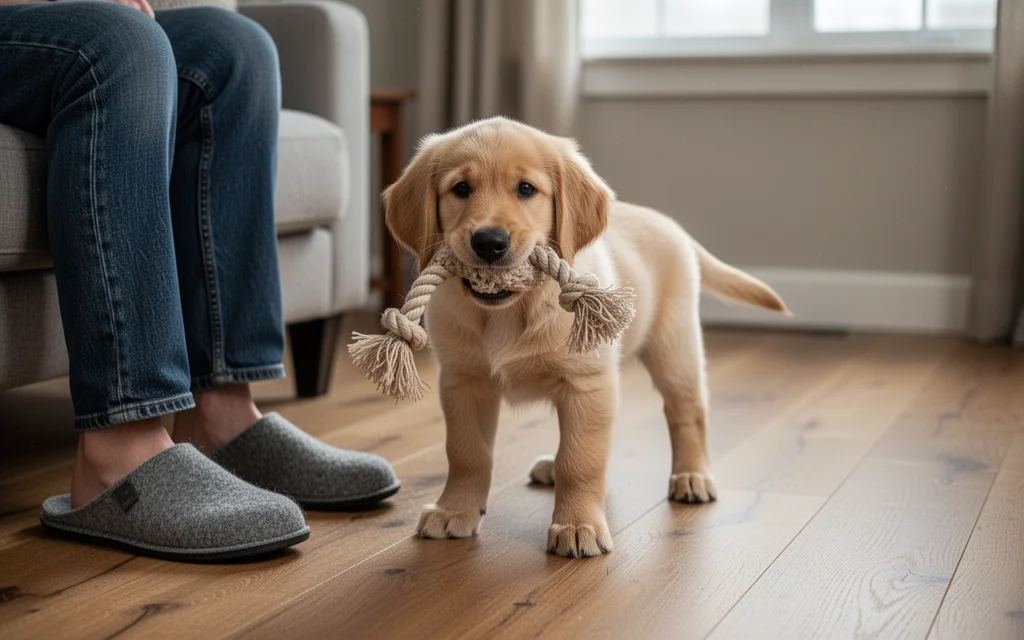
When your puppy bites moving feet or trouser legs, it often stems from playful curiosity or overexcitement. Stand still when your puppy grabs a foot or trouser leg, then redirect them to an appropriate toy during a brief pause in the mouthing. Avoid chasing or physical restraint, as these may escalate excitement. Instead, consistently offer suitable chew toys during play to shift focus away from clothing and feet. Patience and repetition help reinforce alternatives, but outcomes depend on the puppy’s individual temperament and the consistency of training efforts. Always assess your dog’s body language to ensure interventions remain stress-free and positive.
Safe Interruption Techniques: Redirecting Without Force
When a puppy’s focus shifts to moving feet or clothing, the goal is to interrupt the behavior without triggering fear or aggression. One approach is to create physical distance temporarily, such as stepping back or using a baby gate to separate yourself. This avoids direct confrontation and allows the puppy to calm down. According to Dogs Trust, returning to the puppy with a safe activity—like a chew toy or puzzle game—can redirect their energy toward an acceptable outlet. This method avoids escalation by not reinforcing the behavior through attention or physical interaction.
Another technique is to use a high-value toy to shift the puppy’s focus. If your puppy grabs a trouser leg, avoid pulling it away quickly; wait for a brief pause before redirecting them to a suitable toy. This teaches them that biting objects other than clothing yields a better outcome. Consistency is key: if the puppy returns to the original behavior, repeat the redirection without punishment. The PDSA advises that providing ample dog-safe toys reduces the likelihood of the puppy seeking inappropriate items to chew, which aligns with this approach. Avoiding sudden movements or loud noises ensures the puppy does not associate the interruption with fear, which could worsen the behavior over time.
Planning ahead can also minimize the need for reactive interruptions. Identify situations where the puppy is more likely to bite—such as during play sessions or when overtired—and prepare alternative activities in advance. For example, having a Kong filled with treats ready can offer a distraction before the behavior starts. This proactive strategy, recommended by Dogs Trust, reduces the frequency of interruptions and reinforces positive associations with redirection. The focus remains on teaching the puppy what to do, rather than punishing what they’ve done, ensuring the relationship stays positive and trusting.
Setting Up Alternative Play: Encouraging Appropriate Chewing
Redirecting a puppy’s mouthing behaviour to toys requires consistent availability and intentional engagement. Puppies often chew or bite due to teething discomfort, curiosity, or overexcitement, so providing suitable alternatives helps them learn what is acceptable. Focus on selecting toys that match your puppy’s size and chewing strength, such as rubber chew toys, dental chews, or interactive puzzles. These items should be kept within reach during play sessions to make them an obvious choice when the puppy becomes overstimulated.
- Redirect during a brief pause in the mouthing, using an appropriate toy. This teaches them that toys, not human body parts, are the correct outlet for their chewing instincts.
- Use positive reinforcement by praising or rewarding the puppy when they choose a toy over inappropriate items. Avoid scolding, as this may increase anxiety and reinforce the behaviour.
- Rotate toys regularly to maintain interest. Puppies can become bored with the same items, reducing their effectiveness as a distraction.
- Model calm play by engaging the puppy with toys in a structured way. For example, toss a ball or use a tug toy to channel energy into a game that mimics natural predatory behaviours.
According to Dogs Trust, keeping age-appropriate toys on hand is a key strategy to interrupt unwanted mouthing. If the puppy persists in biting despite having access to toys, pause interaction and walk away, as this removes the reward of attention. Reintroduce play only when the puppy is calm, reinforcing that biting ends the game. This approach avoids confrontation while teaching self-regulation.
Recognizing Progress: What to Look For and When to Adjust
Assessing your puppy’s response to training involves observing shifts in their focus and engagement during interactions.
Avoid escalating the situation by chasing or physically restraining them, as this may increase their arousal. Instead, use the Dogs Trust guide to identify patterns in their behavior and test new strategies, such as introducing puzzle toys or short training sessions to shift their focus.
Progress is not always linear. If your puppy seems to regress after a period of improvement, revisit your training methods to ensure they remain engaging and varied. For example, swapping between high-value treats and interactive play can maintain their interest. If uncertainty arises about whether their behavior is playful or concerning, consult the Dogs Trust’s Behaviour Support Line for tailored guidance. The goal is to create a routine where your puppy learns to channel their energy into activities that satisfy their natural instincts without targeting your limbs.
Disclosure: As an Amazon Associate I earn from qualifying purchases. Links in the related-products section are paid links.
Related products
This article may be complemented by dog training toy for puppies.
Browse related products on Amazon