Preparing for your puppy’s first walk involves prioritizing comfort and control. Choose a quiet, low-stimulation route to avoid overwhelming them, and keep the walk short to match their energy and focus. Observe their body language—stiffness, panting, or hesitation may signal stress, prompting you to turn back. The goal is to build positive associations, not push through discomfort. Adjust the route, pace, and duration based on their reactions, ensuring the experience remains gentle and reassuring. This sets the foundation for future outings without overexertion or fear.
Understanding Your Puppy’s Readiness for the First Walk
A puppy’s readiness for its first walk depends on several factors, including its physical health, emotional state, and the environment in which the walk takes place. While some puppies may appear eager to explore the world from the moment they leave the house, others may freeze or show signs of discomfort, signaling that they need more time to adjust. These reactions are not always about fear or disobedience; they can be a response to overstimulation, unfamiliar sights or sounds, or even the weight and feel of the leash itself.
Before taking your puppy outdoors, it is important to consider their vaccination status and consult with your veterinarian about when it is safe to introduce them to public spaces. A vet can provide guidance on the timeline for outdoor exposure, as well as help identify any health concerns that might affect your puppy’s ability to handle a walk. This step is crucial, as it ensures your puppy is protected from diseases and is physically prepared for the experience.
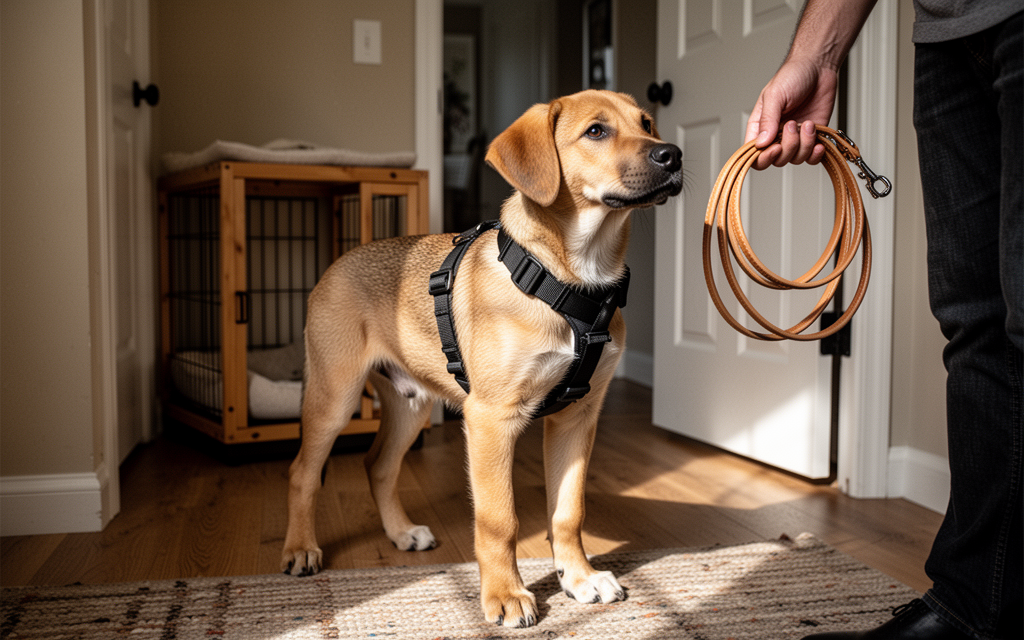
Additionally, it is helpful to recognize that a puppy’s first walk is not just about the outing itself, but also about the preparation leading up to it. Introducing the leash and harness indoors, allowing your puppy to become familiar with the equipment, and using positive reinforcement can help reduce anxiety and build confidence. If your puppy freezes or shows reluctance during the walk, it may be a sign that the environment is too overwhelming, and it may be necessary to adjust the route or shorten the duration of the walk.
By understanding your puppy’s signals and working closely with your vet, you can create a safe and positive first walking experience that sets the stage for future outdoor adventures.
Choosing a Quiet and Safe Route for the First Walk
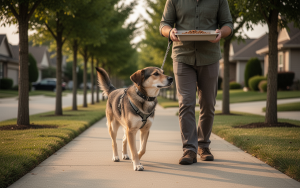
Selecting a route that minimizes sensory overload is a key step in ensuring a positive first walk experience for your puppy. A puppy’s nervous system is still developing, and environments that are overwhelming for humans can be even more intense for them. Loud noises, sudden movements, and unfamiliar scents can trigger a freeze response, which is not a sign of disobedience but rather a natural reaction to fear or overstimulation. According to Paw of Hope, taking a nervous puppy to a bustling street fair is flooding, not training, and can set the tone for future walks.
To avoid this, consider walking in areas with minimal traffic, such as residential neighborhoods, parks, or paths that are not near busy roads or construction sites. Avoid routes that pass by loud environments like garbage trucks, barking dogs behind fences, or motorcycles, as these can be particularly distressing for a puppy. According to Dog Training & Obedience Hub, loud environments top the list of potential triggers, and if your walk route passes a noisy corner, that’s probably where the freeze lives.
Additionally, consider the time of day. Some puppies are more sensitive to stimuli during peak hours when traffic and pedestrian activity are highest. Choosing a quieter time, such as early morning or late afternoon, may help reduce the likelihood of overstimulation. According to Dog Breed Guide, shortening the route and changing the time of day to avoid specific noise or crowd triggers can be effective in rebuilding confidence.
By carefully selecting a route that is both quiet and safe, you give your puppy the best chance to explore the world outside without feeling overwhelmed. This approach supports a gradual and positive introduction to the outdoors, helping your puppy build confidence and comfort over time.
Recognizing Body Language Signals During the Walk
During a walk, your puppy may communicate discomfort or stress through subtle body language cues. One of the most common signs is freezing in place — a sudden halt where the puppy appears rigid and unresponsive to your attempts to encourage movement. This is not a sign of stubbornness, but rather a fear or stress response to something in the environment. Other signals may include tucking the tail between the legs, avoiding eye contact, or lowering the body closer to the ground. These behaviors indicate that your puppy is feeling overwhelmed or uncertain about what it is experiencing.
It is important to observe these signals closely and respond appropriately. If your puppy freezes, avoid pulling or tugging on the leash, as this can increase anxiety. Instead, remain calm and use a cheerful tone of voice, paired with positive body language such as crouching slightly and offering treats while moving forward. This helps your puppy associate movement with positive outcomes rather than fear or discomfort.
If freezing occurs frequently or is accompanied by other concerning behaviors such as trembling, growling, or changes in how your puppy interacts with you or its surroundings, it may be time to consult a veterinarian or a certified trainer. These professionals can help identify whether the issue is related to fear, pain, or an environmental factor that needs to be addressed.
Understanding and responding to your puppy’s body language is a key part of ensuring a positive and stress-free walking experience. By recognizing these signals early, you can adjust your approach and create a more comfortable environment for your puppy to explore and learn.
Keeping the First Walk Short and Manageable
The first walk should be a brief, controlled experience that prioritises the puppy’s comfort and confidence. Rather than aiming for a specific duration, focus on the puppy’s body language and energy levels. If the puppy shows signs of stress — such as stiffening, avoiding eye contact, or refusing to move — it is time to return home. These signals are not a sign of disobedience but an indication that the environment is overwhelming.
A practical approach is to start with walks that last no longer than five minutes. This allows the puppy to explore without being exposed to too many new stimuli. As the puppy becomes more familiar with the leash and the outside world, the duration can be gradually extended. For example, increase the time by a few minutes each week, but always remain attentive to the puppy’s reactions. If the puppy freezes or shows hesitation, it is better to end the walk on a positive note rather than pushing forward.
According to Paw of Hope, ending a walk before the puppy becomes overwhelmed helps build a bank of positive experiences. This approach reinforces the idea that walks are enjoyable and safe. It is also important to use the “recency effect” — ending the walk with a rewarding experience, such as a treat or a game, ensures the puppy associates the walk with something positive.
Gradually increasing the walk’s length and complexity should be done in small, deliberate steps. If the puppy freezes repeatedly on the same route, it may be a sign that the environment itself has become a trigger. In such cases, shortening the route or changing the time of day can help reduce the puppy’s stress. Always prioritise the puppy’s comfort and use the walk as a tool to build trust and confidence, not a test of endurance.
What to Do If Your Puppy Freezes on the Walk
If your puppy freezes during a walk, the immediate priority is to avoid escalating their stress. This response is often a sign of fear, overstimulation, or a specific trigger in the environment. The first step is to remain calm yourself, as your puppy will pick up on your energy. Avoid pulling or tugging on the leash, as this can increase their anxiety and reinforce the idea that the situation is dangerous.
- Use a high-value treat to create a positive association with movement. Hold the treat between your fingers and walk slowly to the end of the leash, turning your back to your puppy. Lure them to follow you with the treat, rewarding them the moment they take a step. This reinforces that movement is linked with positive outcomes.
- Move away from the trigger that caused the freeze. If the puppy is reacting to something like a loud noise or another dog, create distance so they can feel safe. Offer the treat at a manageable distance to help them associate the trigger with something positive, not something to fear.
- Identify the trigger by observing the environment. A busy intersection, unfamiliar object, or sudden noise may be overwhelming. If the same trigger appears repeatedly, consider adjusting your route to avoid it in future walks.
- Keep walks short and positive. End the session before your puppy becomes overwhelmed. A short, successful walk builds confidence, whereas a long, stressful one can leave them more anxious for future outings.
Every puppy reacts differently, and what works for one may not work for another. The key is to observe their body language, stay patient, and make adjustments based on their comfort level. Over time, with consistent, gentle guidance, many puppies learn to navigate their environment with greater ease.
Disclosure: As an Amazon Associate I earn from qualifying purchases. Links in the related-products section are paid links.