Scatter feeding means spreading some of your dog’s food across a suitable area so they can search for it. Start with a small, clear space and food that is easy to find. You can make it a little more varied later, but you do not need to turn a meal into a difficult hunt.
Pick the area before you scatter
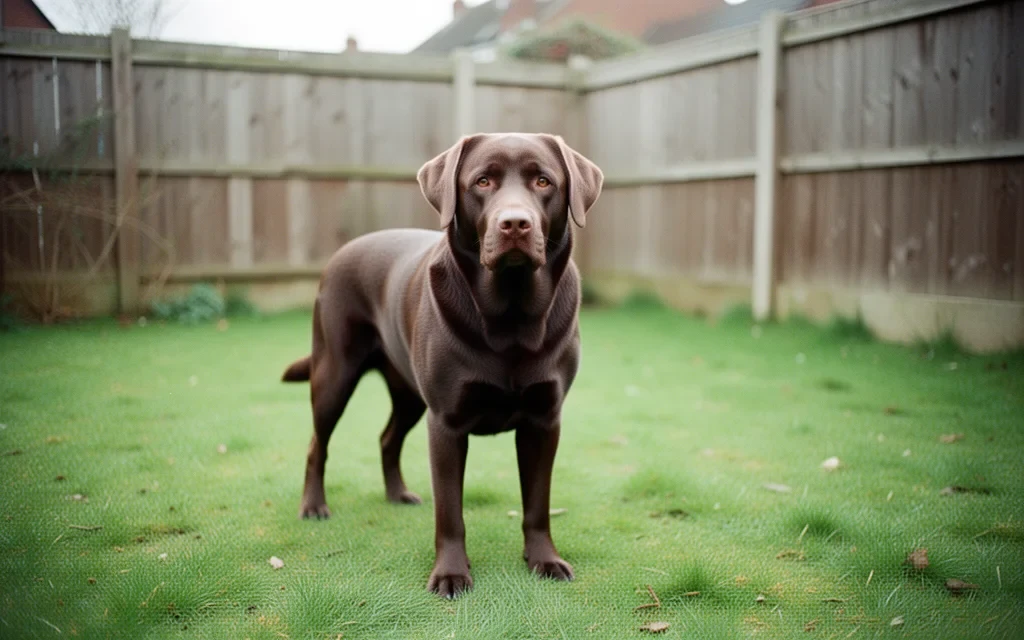
Choose a place you can inspect and supervise. Indoors, clear the floor of small objects and keep food away from gaps under furniture or appliances. Outdoors, use an area you know is suitable, without rubbish or plants you are unsure about.
Start with one dog at a time. Scattering food among several dogs can create competition. If your dog already guards food, ask a qualified behaviour professional how to manage food activities safely.
Use part of a normal meal
Set aside some of food that already suits your dog. Keep it within their usual daily allowance rather than adding it on top of everything else they eat. Follow your vet’s advice where a special diet applies.
For a first game, place a few pieces where they are easy to see. You can use your find-it cue if your dog already knows it. Otherwise, let them notice the food without adding several new instructions at once.
Stay nearby and watch the search. If your dog misses a piece, make the next attempt easier. There is no need to keep repeating a cue or to stop them looking back at you.
Decide whether a bigger search helps
When the small area is comfortable, you could spread the next portion a little further apart. Keep the food accessible. Avoid scattering it into deep hiding places just to make the game last longer.
As a planning example, you might begin on one clear kitchen tile, then use the space beside it next time. Another dog may do better with the original setup. This is about watching how your own dog manages, rather than following a fixed schedule.
Know what this game does not teach
A supervised food search is not permission to eat everything found on a walk. Keep your normal supervision and management outside. If scavenging is already a concern, use advice aimed at that problem instead of assuming scatter feeding will solve it.
Finish if your dog loses interest or starts picking up other objects. Check the area afterwards and clear any leftover food. You can offer the rest of the meal in the usual way if a search is not useful that day.
A quick note such as “easy on the clear floor; too hard in long grass” can guide your next choice. The best setup is one you can keep safe and simple, without adding pressure to mealtimes.
Further reading
Dogs Trust: Enrichment activities to keep your dog entertained | Dogs Trust; ASPCA: Canine DIY Enrichment | ASPCA.
Related advice: managing scavenging on walks.