When your dog lunges at other dogs on walks, the goal is to manage their emotional state and build confidence through distance, calmness, and controlled exposure. Start by increasing the distance between your dog and triggers, rewarding calm behavior before reactivity occurs. Keep walks short and under threshold to avoid escalation. If frustration persists, consult a force-free professional trained in behavior modification, avoiding aversive tools that may worsen stress. Success depends on consistent, patient practice and recognizing when your dog’s body language signals discomfort. Always prioritize safety for your dog and others during training.
Understanding the Emotional State Behind the Lunge
Dogs that lunge at other dogs on walks are often reacting to an internal emotional state that feels overwhelming. Fear, frustration, or overexcitement can create a physiological response that makes even minor triggers feel urgent. For example, a dog experiencing fear may perceive another dog as a threat, triggering a defensive lunge to create distance. This reaction is not always aggressive; it may stem from a desire to escape a perceived danger, such as a sudden movement or unfamiliar scent. Similarly, frustration from being restrained by a leash—sometimes called lead frustration—can lead to a “fight” response, where the dog attempts to break free through barking, growling, or lunging. Overexcitement, on the other hand, may cause a dog to react impulsively to the sight of another dog, especially if they are already in a heightened energy state from pulling on the leash or being overstimulated by the environment.
- Fear and anxiety: Dogs in this state may appear tense, with stiff body language or wide eyes. A sudden stimulus, like a passing dog or a loud noise, can push them into a defensive lunge. According to The Online Dog Trainer, this heightened stress can make them prone to overreacting to even minor triggers.
- Frustration: Leash aggression often arises when a dog feels trapped, unable to flee or greet freely. This confined feeling may escalate their frustration, leading to sudden lunging as a way to regain control. Teaching basic commands in low-distraction settings, as advised by Battersea Dogs & Cats Home, can help build confidence and reduce reactivity over time.
- Overexcitement: Dogs that are overly stimulated by the environment may lunge at other dogs as a way to express their energy. This is often accompanied by pulling on the leash and a lack of focus, making it harder to redirect their attention.
Recognizing these emotional states is key to addressing the behavior effectively. Each requires a different approach, from desensitization exercises for fear-based reactivity to managing energy levels for overexcited dogs. A force-free professional can help identify the root cause and tailor strategies to your dog’s specific needs.
Assessing the Distance and Environment
Begin by observing your dog’s body language and emotional state in different settings. A dog that tenses, barks, or lunges may be reacting to environmental stressors such as loud noises, unfamiliar scents, or the presence of other animals. Note how your dog behaves in varied locations: a busy park, a quiet street, or a high-traffic area. These differences can reveal whether overstimulation stems from specific triggers or general anxiety. For example, if your dog becomes agitated near other dogs but remains calm in a secluded space, the issue may be proximity rather than a broader fear.
- Modify the environment: Choose walks during off-peak hours or routes with fewer distractions. Avoid areas with strong odors, crowded paths, or sudden movements. If your dog is reactive to other dogs, consider parallel walking with a friend’s well-behaved dog, maintaining a safe gap until your dog feels secure.
- Recognize emotional thresholds: If your dog’s excitement or fear escalates, increase distance immediately. According to Battersea Dogs & Cats Home, avoiding triggers during training sessions helps prevent reinforcing reactive behaviors. End walks on a positive note, even if progress is incremental, to build confidence.
- Assess time of day: Some dogs are more sensitive to stimuli during peak hours. Experiment with early mornings or late evenings to reduce exposure to overstimulating conditions.
Environmental factors such as weather, lighting, and the presence of unfamiliar people can also influence reactivity. Document patterns in your dog’s behavior to identify trends, and adjust walks accordingly. If your dog’s reactions persist despite these steps, consult a force-free professional to address underlying causes like fear or lack of socialization.
Rewarding Calm Behavior Before the Reaction
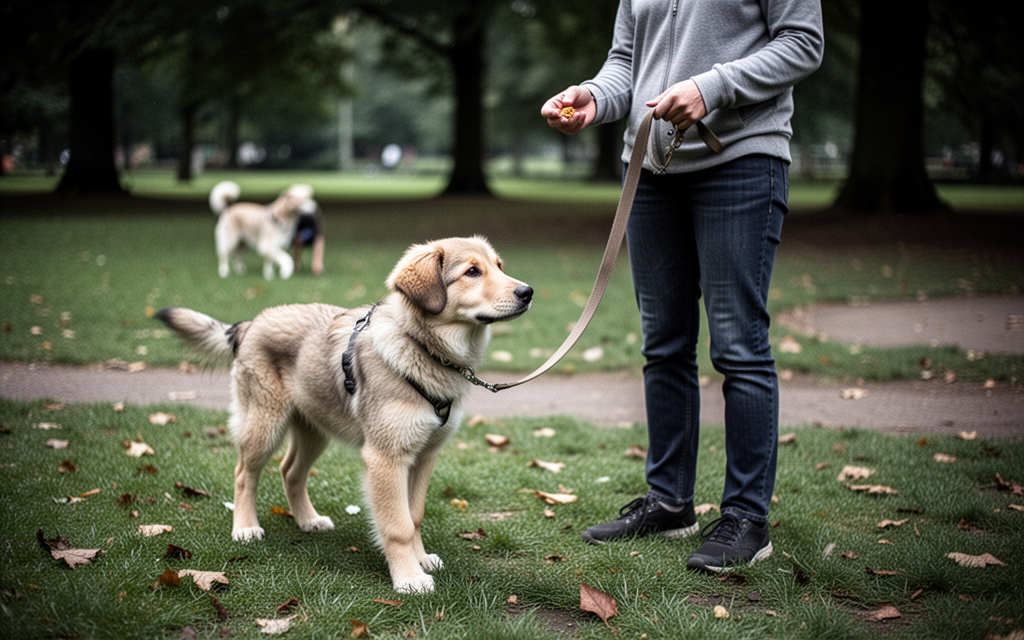
Training your dog to remain calm before encountering a trigger involves creating a clear connection between the presence of a trigger and a positive outcome. This approach helps your dog associate calmness with rewards, even before they have a chance to react. Begin by identifying the specific triggers that cause your dog to lunge or bark, such as other dogs on walks. Once identified, practice redirecting your dog’s focus to you using commands like “watch me” or “look here.”
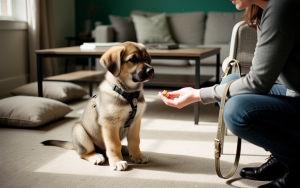
- Start in a low-distraction environment, such as your home or garden, where your dog can learn to focus on you without external interruptions. Use high-value treats or toys to reinforce the desired behavior.
- Gradually introduce the trigger at a distance where your dog remains relaxed. If your dog stays calm, reward them immediately with a treat or praise. If they react, calmly move away from the trigger and try again later.
- As your dog becomes more reliable in staying calm, slowly decrease the distance to the trigger while continuing to reward calm behavior. This gradual exposure helps your dog build confidence and reduces the likelihood of reactive behavior in more challenging situations.
- Consistency is key. Practice these exercises during short, frequent training sessions to keep your dog engaged and prevent frustration. Avoid overwhelming your dog by progressing too quickly through the stages of training.
By reinforcing calm behavior before your dog has a chance to react, you are teaching them that remaining relaxed leads to positive outcomes. This method aligns with the principles outlined by Battersea Dogs & Cats Home, which emphasizes the importance of avoiding triggers and gradually increasing difficulty in training sessions. This approach not only helps manage reactivity but also strengthens the bond between you and your dog through consistent, positive reinforcement.
Recognizing When to Seek Professional Help
For those in the UK, Woodgreen Pets Charity emphasizes that persistent behavioral concerns—especially those involving anxiety or fear—should prompt a consultation with a qualified professional. This ensures interventions align with the dog’s individual needs while avoiding methods that could exacerbate stress, such as aversive collars or punitive techniques.
Avoiding Common Missteps in Training
Training a reactive dog requires careful attention to methods that avoid escalating stress. A common pitfall is relying on aversive tools such as shock, choke, or prong collars, which can heighten anxiety and reinforce the very behaviours they aim to suppress. These tools may create a cycle of fear or frustration, making reactivity worse over time. Instead, focus on force-free techniques that build trust and redirect attention positively. For example, Battersea Dogs & Cats Home emphasizes gradual exposure to triggers, paired with rewards for calm behaviour, as a safer alternative. Another misstep is rushing progress by exposing dogs to high-stress environments too quickly. This can overwhelm them, undoing earlier training. Woodgreen Pets Charity advises repeating foundational steps if a dog shows little improvement, ensuring they remain confident and focused. Avoiding these errors helps maintain consistency, allowing dogs to associate walks with positive experiences rather than conflict. Always prioritize patience and incremental success, adjusting routes or times to minimize triggers until the dog’s confidence grows.
- Never use aversive collars; they risk increasing fear-based reactivity.
- Gradually increase exposure to triggers, not abruptly.
- Repeat earlier training steps if progress stalls, rather than pushing forward.
- Choose low-distraction environments to build confidence first.
Disclosure: As an Amazon Associate I earn from qualifying purchases. Links in the related-products section are paid links.