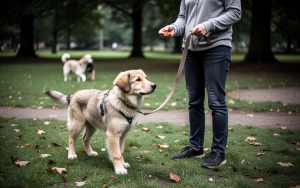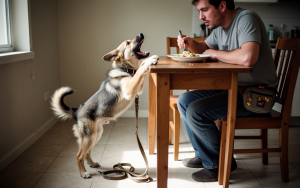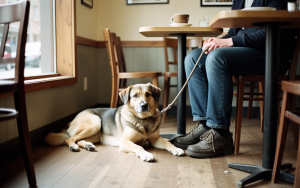
To stop a dog jumping up at people, focus on teaching an incompatible calm greeting that is consistently rewarded, such as sitting or lying down, and manage the door and visitors to prevent rehearsing the behavior. Avoid physical corrections like kneeing or pushing, and instead use a simple ask-for-calm alternative during greetings, such as a hand signal or verbal cue. Success depends on the dog’s individual temperament, the consistency of training, and the environment’s management. Readers must assess their dog’s needs and adjust strategies based on real-world scenarios, such as high-risk areas like doorways or when guests arrive.
Understanding the Triggers Behind Jumping Behavior
Dogs jump up for a variety of reasons, and understanding these triggers is essential to managing the behavior effectively. According to Dog Trust, dogs may jump up due to emotional states such as excitement, anxiety, or frustration, or because they have learned that jumping gets them attention. This behavior is not typically a sign of dominance or stubbornness, but rather a result of habit or a lack of clear training.
Excitement is one of the most common triggers, especially when dogs are greeted by people or see visitors. However, this excitement can be redirected through consistent training. Canine Bible explains that dogs often continue jumping because they still receive something from the behavior, even if it is occasional attention. This is why consistency in training is crucial — dogs need to learn that calm greetings, such as sitting or standing on all fours, are the most effective way to gain attention.
Another important factor is the environment. Dogs may jump up more frequently in certain situations, such as at the front door or when children are running around. Managing these scenarios by controlling access and ensuring that visitors do not inadvertently reinforce the behavior can significantly reduce jumping. Pets4Homes emphasizes the importance of starting training immediately and setting clear, consistent rules to prevent jumping from becoming a habit.
Introducing an Incompatible Calm Greeting
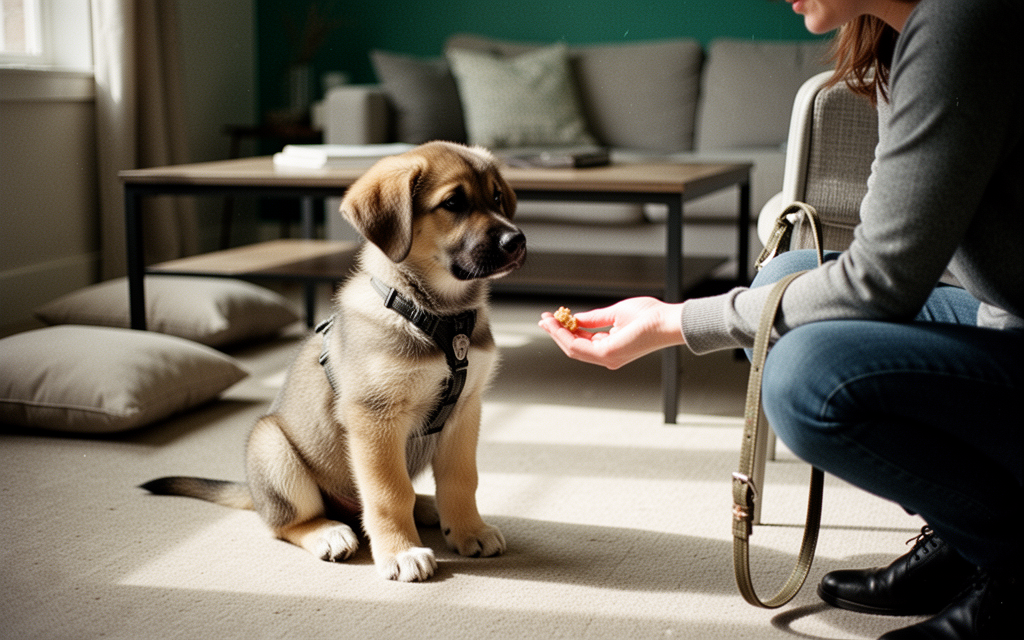
Teaching your dog an incompatible calm greeting involves replacing the urge to jump with a behaviour that makes it impossible to jump at the same time, such as sitting or standing calmly. This method relies on consistent rewards and positive reinforcement to shape your dog’s response to greetings. According to Pets4Homes, when your dog sees a person approaching or feels the urge to jump, instruct them to “sit.” Reward with praise or a treat when they comply promptly. This method replaces jumping with a behaviour that’s incompatible with it, enabling your dog to focus on the positive action instead.
The key to success lies in consistency. Every time your dog greets someone, they should be required to perform the calm behaviour before receiving attention or affection. This helps your dog associate calmness with positive outcomes, gradually reducing the likelihood of jumping. It is also important to avoid rewarding jumping in any way, whether through attention, affection, or even unintentional reactions like laughing or moving away. These responses can reinforce the behaviour and make it more difficult to correct over time.
Training should take place in low-distraction environments at first, allowing your dog to focus on learning the new behaviour. As your dog becomes more reliable, you can gradually introduce more challenging situations, such as greetings at the door or with unfamiliar visitors. The goal is to create a predictable and positive experience that your dog can rely on, making calm greetings the most effective way to gain attention and affection.
Creating a Controlled Greeting Environment
Managing the space where greetings occur is critical to preventing jumping. Dogs often associate doorways, couches, or sidewalks with excitement, making these areas hotspots for unwanted behavior. To counter this, establish clear boundaries and routines that minimize opportunities for jumping. Use physical tools like leashes, baby gates, or designated mats to create a “greeting zone” where your dog must remain calm before interacting with visitors. This prevents impulsive jumps and redirects focus to a behavior you can control, such as sitting or standing on a mat.
- Preemptive setup: Position barriers or leashes before a visitor arrives to limit your dog’s movement. This ensures they cannot rush toward the person, reducing the chance of jumping. As noted in Canine Bible, preparing the environment before the greeting begins helps avoid reinforcing the behavior.
- Visitor guidance: Train family members and guests to avoid eye contact, kneeling, or offering attention until your dog is calm. Dogs Trust’s Quick wins section suggests having treats on hand to reward calmness and discourage guests from unintentionally rewarding jumping.
- Consistent triggers: Use the same cues for every greeting, such as a specific phrase or hand signal, to signal that calm behavior is required. This builds predictability, helping your dog associate the greeting moment with a clear expectation rather than chaos.
Real-world scenarios vary in risk level. For example, a large dog near a toddler may require stricter management than a small dog near an experienced handler. Adjust barriers, distance, or training intensity based on the situation. The goal is to create a setup where jumping becomes impractical, allowing your dog to practice a calmer alternative consistently.
Avoiding Reinforcement of Jumping Through Negative Reactions
Physical corrections like kneeing, pushing, or shouting may seem intuitive when a dog jumps, but these actions can inadvertently reinforce the behavior. Dogs associate attention—especially intense or sudden reactions—with positive outcomes, even if the attention is corrective. For example, a dog that jumps to greet someone may interpret a shout or a push as a form of interaction, making the behavior more likely to recur. This is compounded when the dog’s energy is redirected into a game-like dynamic, such as wrestling or chasing, which can escalate excitement rather than calm it.
- Why negative reactions fail: According to Dogs Trust, shouting or physical force can heighten a dog’s emotional state, making them more prone to repeat the behavior. This is particularly true for dogs that jump due to nervousness or overexcitement, as their focus may shift to the human’s reaction rather than the desired calm behavior.
- Redirecting energy constructively: Instead of reacting to the jump, use body language to communicate disapproval. Cross your arms, turn sideways, and avoid eye contact to reduce the dog’s incentive to continue. This creates a “neutral zone” where the dog learns that jumping does not yield rewards like touch or attention.
- Teaching an alternative: Pair the redirection with a clear, simple command like “sit” or “stay.” Reward the dog immediately when they comply, reinforcing the idea that calm behavior is the path to positive outcomes. As Canine Bible explains, consistency in this approach helps the dog associate polite greetings with attention, gradually replacing the jump with a sit or a paw offer.
These strategies require patience, as the dog must learn that jumping no longer leads to the desired result. However, by avoiding reinforcement through negative reactions and instead providing clear, consistent alternatives, the dog can be guided toward more appropriate greeting behaviors over time.
Establishing a Consistent Training Routine
Building a daily training plan requires structuring practice around predictable moments when your dog is most likely to jump, such as during greetings or meal times.
- Prevent access to high-risk zones: Use baby gates or crates to limit access to areas where jumping is likely, such as near the front door or couch, until your dog learns to stay calm.
- Practice with visitors: Ask guests to ignore your dog initially and only reward calm behavior once they are fully seated. This avoids reinforcing excitement through interaction.
- Adjust for context: Large dogs or highly excitable breeds may need additional management, such as using a leash during greetings to maintain control.
For structured guidance on creating a training plan, refer to How to Train a Dog Not to Jump on People: 7-Step Plan.
Disclosure: As an Amazon Associate I earn from qualifying purchases. Links in the related-products section are paid links.