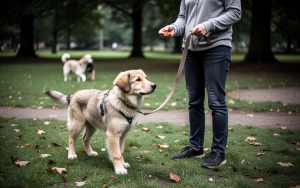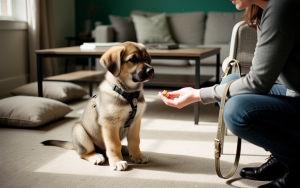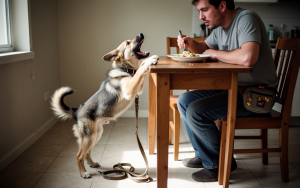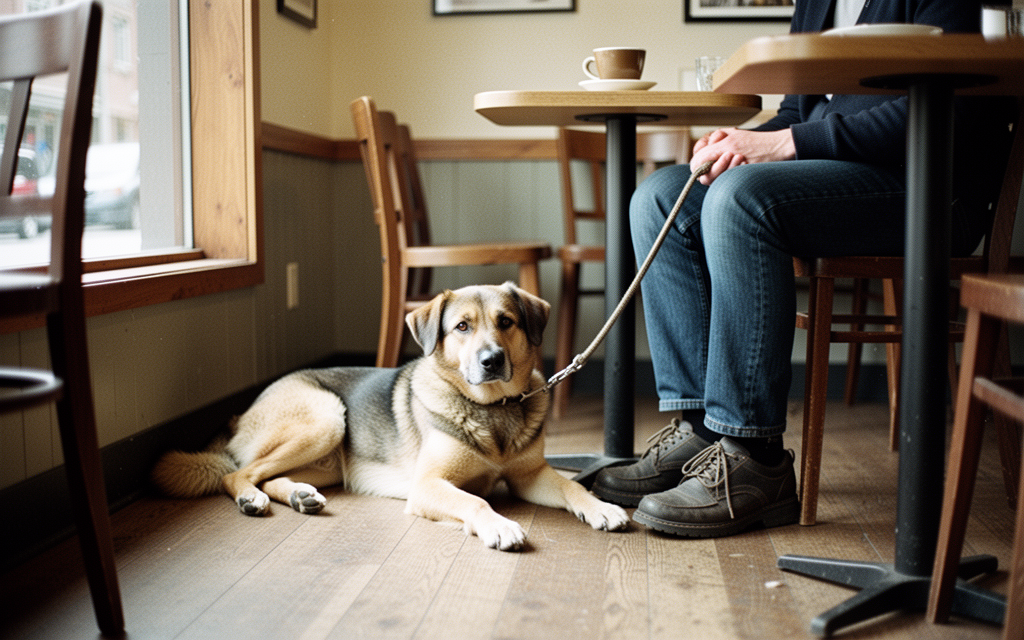
To help a dog settle in a café, focus on building calmness at home before introducing new environments. Start by teaching your dog to rest on a mat with a chew toy, rewarding relaxed body language like lowered posture or slow breathing. Gradually increase distractions at home, then progress to short, quiet café visits. Choose venues that allow dogs and avoid busy times. Success depends on your dog’s individual temperament and readiness; some breeds adapt more easily to public spaces than others. Always prioritize your dog’s comfort, and stop if they show stress. The process requires patience and careful observation of their reactions.
Assessing Readiness – Is Your Dog Suited for Cafés?
Not every dog is naturally suited for café environments, and that is not a limitation—it is a reflection of their individual temperament and training history. Before attempting café visits, consider whether your dog is comfortable around strangers, can remain calm in the presence of other dogs, and responds reliably to basic commands. Puppies, highly anxious dogs, or those sensitive to noise or food smells may find cafes overwhelming. Breeds historically bred for companionship, such as Cavalier King Charles Spaniels or Shih Tzus, may adapt more easily to public spaces, but this is not a rule. The key is to evaluate your dog’s history: has their training focused on relaxation and impulse control, or have they been socialized in varied settings? If your dog shows signs of stress in busy areas, prioritize building confidence in less intense environments first.
- Comfort with strangers: Does your dog approach new people calmly, or does their body language indicate fear or tension? Dogs that bark, lunge, or freeze around unfamiliar individuals may need more preparation before café visits.
- Breed and history: Dogs with a background in working roles (e.g., herding, guarding) may require additional desensitization to café stimuli, such as loud conversations or sudden movements.
- Venue scouting: Even well-trained dogs benefit from visiting cafes with training-friendly layouts. Look for venues with open spaces, clear exit paths, and minimal foot traffic. LiveLaughWoof’s guide offers criteria to evaluate venues before committing to a visit.
Assessing readiness is not about forcing a dog into a situation but aligning their needs with your goals. If your dog prefers quiet, predictable routines, a café may not be the right setting—even with gradual training. The focus should be on creating a positive experience, not proving a dog’s ability to cope.
Teaching the Settle Behavior at Home
Begin by introducing a mat or designated area as a consistent resting spot, paired with a chew toy or lick mat to create positive associations. Place the mat in a quiet part of your home, and encourage your dog to lie down on it by offering treats or praise when they show interest. Avoid forcing the behavior; instead, let them explore the mat at their own pace. Once they begin to settle, reward relaxed body language—such as a lowered head, slow breathing, or a relaxed posture—with small treats or affection. This reinforces that the mat is a safe, comfortable place to be still.
Gradually increase the time your dog must remain settled before offering a reward, as advised by Dogs Trust. This builds patience and helps them understand that calmness leads to positive outcomes. If your dog struggles with distractions, start by adding minor interruptions—like moving furniture or playing soft music—while they are on the mat. Reward them for staying relaxed, even if they glance up briefly. This mirrors the gradual exposure needed for café visits, where stimuli like noise and movement are inevitable.
Some dogs may not enjoy public spaces, as noted by Perfectly Canine, and that’s acceptable. Focus on your dog’s comfort rather than pushing them into overwhelming situations. If they show signs of stress—such as panting, whining, or avoiding the mat—pause and revisit the exercise later. The goal is to build confidence, not force compliance. By pairing the mat with a chew toy and rewarding calmness consistently, you create a foundation that can later support short, quiet café visits when the time is right.
Gradual Exposure to Distractions
Once your dog can settle on a mat at home without stress, introduce mild distractions to build resilience. Begin with low-level stimuli, such as playing soft music or leaving the television on while your dog rests. Gradually increase complexity by having household members move around the room or speaking in normal tones nearby. This helps your dog associate the mat with calmness even when minor activity occurs. According to TailorPup, practicing in familiar settings like the kitchen or porch while you eat or entertain guests can desensitize your dog to common café-like scenarios. Keep sessions short and reward calm behavior with treats or praise, reinforcing that the mat is a safe space. If your dog shows signs of stress—such as panting, restlessness, or avoiding the mat—pause and return to a quieter environment. Some dogs may never enjoy cafés, as noted by Perfectly Canine, which emphasizes that not all dogs are suited for public spaces. Focus on your dog’s comfort, and consider quieter venues like parks or friend’s gardens as alternatives. The goal is to build confidence incrementally, ensuring your dog feels in control rather than overwhelmed.
Choosing the Right Café Environment
Not all dog-friendly cafés offer the same level of comfort for a dog learning to settle. Look for venues with quiet corners, open spaces between tables, and staff who are experienced with pets. A patio or large interior with seating against a wall or in a corner can give your dog more control over their space. Avoid venues with narrow walkways or unpredictable foot traffic, as these can increase stress. Check if the café allows dogs and provides water, and consider visiting during off-peak hours for a calmer experience. Some cafés may have designated pet-friendly areas, which can be a useful feature to look for.
- Scout multiple venues in advance and rank them based on how training-friendly they are, such as the availability of space and the level of foot traffic.
- Choose a table in a corner or on the edge of a patio to give your dog more freedom and fewer distractions.
- Ensure the café has staff who are comfortable with dogs, as their presence can help reduce anxiety for both you and your pet.
- Start with less crowded places and gradually move to more active venues as your dog becomes more confident.
Some cafés may have a reputation for being pet-friendly, but this does not always mean the environment is suitable for a dog learning to settle. A structured, positive exposure to new environments is key, and the right venue can make a significant difference in your dog’s comfort and success.
First Café Visits – What to Expect and How to Prepare
Before your dog’s first café visit, consider the venue’s layout and atmosphere. Look for spaces with quiet outdoor areas, ample room between tables, and staff who are accustomed to handling dogs. Avoid venues that are overly crowded, noisy, or have narrow walkways, as these can overwhelm even well-prepared dogs. Check whether the café explicitly allows dogs and provides water access, as these details can influence your dog’s comfort. If possible, visit during off-peak hours to reduce sensory input, and plan to leave before your dog becomes overstimulated. TailorPup advises that early visits should focus on short, deliberate interactions rather than extended stays.
- Bring familiar items: Pack your dog’s mat, a chew toy, and a water bowl. These items create a sense of continuity and can help your dog associate the café with calmness, even in a new environment.
- Set time limits: The first visit should be brief—perhaps ten minutes—and centered on simple tasks like sitting or lying down. Avoid ordering complex meals or engaging in activities that might distract your dog from focusing on you. Ottimo Plus emphasizes that success is measured by small, consistent choices, such as your dog looking away from a passing stranger or resting without repeated scanning.
- Monitor comfort levels: Watch for signs of stress, such as panting, tail tucking, or excessive lip-licking. If your dog shows discomfort, leave immediately. Perfectly Canine notes that not all dogs thrive in public spaces, and respecting their limits is key to building positive associations over time.
After the visit, reflect on what worked and what didn’t. Did your dog settle on the mat? Did they react to a specific stimulus? Use these observations to adjust future plans, ensuring each step aligns with your dog’s individual needs and capabilities.
Disclosure: As an Amazon Associate I earn from qualifying purchases. Links in the related-products section are paid links.