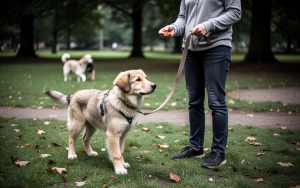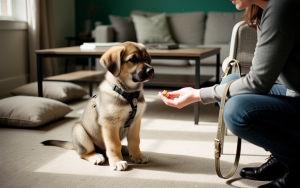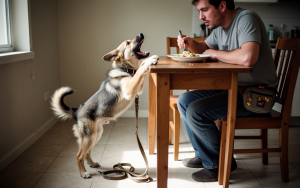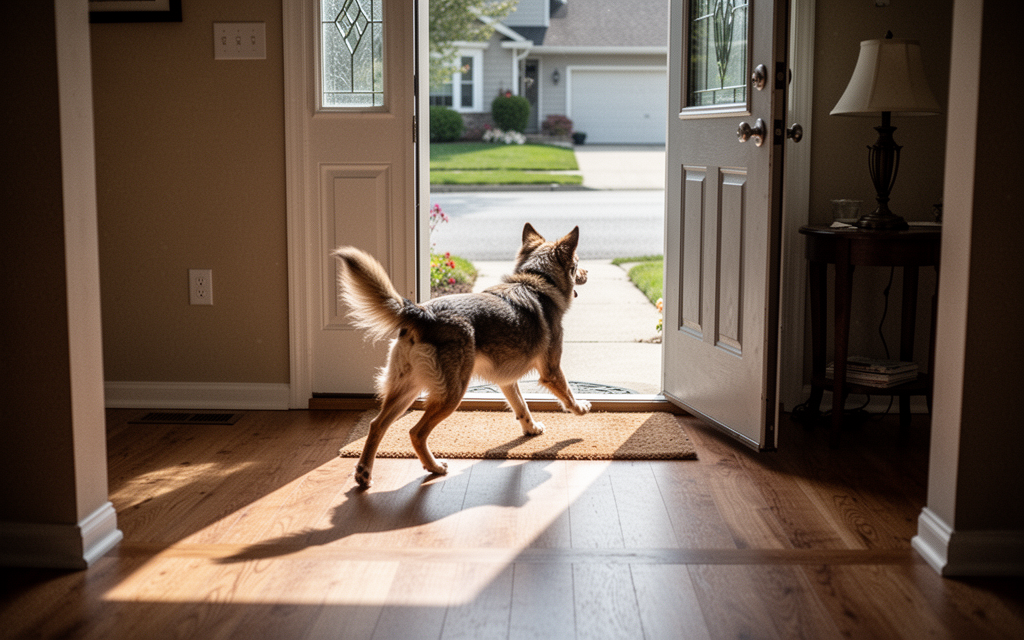
When a dog runs out the front door, it can be a moment of panic for pet owners, but a structured approach can help manage the situation. Effective prevention involves using a barrier or tether, establishing a consistent door routine, and teaching the dog to wait for a reward before moving forward. A secure garden and recall training are also essential for households with busy schedules. Understanding the difference between normal excitement and a safety risk is key to creating a plan that works for both the dog and the family.
Understanding Triggers: When a Dog Rushes Toward the Door
Dogs may rush toward an open door for a variety of reasons, and understanding these triggers can help differentiate between habitual behavior and a genuine escape attempt. Excitement is a common cause, especially when a dog associates the door with going outside for walks, play, or socialization. According to The Dog-G8 Company, dogs may rush through an open front door because of excitement and the opportunity to get outside. This is often a learned behavior, where the dog has previously been allowed to go out without being asked to wait first.
Other triggers include fear or anxiety, such as when a dog hears unfamiliar noises or senses a potential threat outside. In these cases, the dog may bolt through the door in an attempt to flee rather than approach it out of curiosity or eagerness. It is important to observe the dog’s body language and the context in which the behavior occurs to determine whether it is driven by excitement, fear, or a habit of rushing out without being prompted.
Habitual behavior, such as rushing out the door when it is open, can develop over time if the dog is not consistently taught to wait. As noted in The Virtual Dog Trainer, creating scenarios where the door is open randomly while the dog is on leash can help reinforce the idea that running out is not an acceptable response. This approach allows the owner to intervene and redirect the dog’s energy toward more appropriate behaviors, such as waiting patiently for permission to go outside.
By identifying these triggers and addressing them with consistent training, owners can help their dogs learn to associate the door with waiting rather than rushing. This distinction is crucial for developing a safety plan that works for busy households while also meeting the dog’s natural needs for mental and physical stimulation.
Barrier Management: Creating a Physical Pause
Physical barriers can be a practical solution to prevent dogs from darting through the front door, especially in homes where consistent training may not yet be fully effective. A baby gate installed in the doorway, for example, can serve as a temporary but effective deterrent, allowing the main door to remain closed while still permitting access for humans. This type of barrier is particularly useful in homes where dogs have a history of rushing through open doors, as it introduces a pause that can help redirect their focus and reduce the likelihood of escape.
When selecting a barrier, consider the size of the doorway and the ease of installation. Some gates are pressure-mounted, requiring no drilling, while others may need hardware for a more permanent solution. A gate that is short enough for an adult to step over is often more practical for long-term use, as it allows for easy access without compromising safety.
In addition to gates, door reinforcements such as tension rods or door stops can be used to prevent the door from opening fully. These tools can be particularly helpful in households where the dog is highly motivated to escape, as they provide an extra layer of control without requiring the dog to be physically restrained.
It is important to integrate these barriers into daily routines in a way that avoids causing frustration for the dog. Consistency is key, and the presence of a barrier should be paired with positive reinforcement, such as treats or praise, to encourage calm behavior when the door is opened. Over time, as the dog becomes more accustomed to the barrier and learns that rushing through the door is not an option, the barrier can be gradually phased out as part of a broader training plan.
For further guidance on selecting and installing physical barriers, refer to How to Stop a Dog From Running Out the Door – Whole Dog Journal.
Building a Door Routine: Consistency and Control
Creating a door routine involves teaching your dog to pause, wait, and only proceed when given a signal. This method relies on repetition and clear timing to reinforce safe behavior. Start by ensuring the door is closed and your dog is calm. When you are ready to exit, use a consistent signal—such as a hand gesture or a verbal cue—to indicate that the dog should wait. If the dog attempts to rush through, remain calm and redirect their attention with a firm but gentle command. Only open the door once the dog has stopped and is looking at you. This teaches them that rushing is not rewarded, while waiting is.
- Pause: Allow your dog to stop and focus on you before proceeding. This pause helps them associate the door with a moment of control rather than an opportunity to bolt.
- Signal: Use a consistent verbal or visual cue to let your dog know they must wait. This helps them understand the expectations each time the door is used.
- Reward: Immediately reward your dog with a treat or praise once they remain calm and wait. This reinforces the behavior and makes the experience positive.
Consistency is key. Practice this routine multiple times a day, especially during times when your dog is most likely to rush, such as when you return home or during meal times. Over time, your dog will learn that waiting is the path to getting what they want—whether it’s going outside or receiving attention. For additional guidance on managing door-dashing behavior, you can refer to How to Stop a Dog From Running Out the Door, which discusses impulse control and training techniques in detail.
Secure Garden Design: Preventing Escapes from the Backyard
Even with a managed front door, a dog may still find ways to escape through less-secured areas like back or side gates. A secure garden requires attention to both physical barriers and environmental factors that might encourage a dog to leave. Start by inspecting existing gates for gaps, loose latches, or weak hinges. Replace flimsy materials with heavy-duty options, ensuring gates close fully and cannot be pried open. For dogs that dig or jump, consider adding a buried fence line or a low, smooth barrier to deter escape routes.
- Gate reinforcement: Use gates with self-closing mechanisms and secure them with clips or latches that are difficult for a dog to manipulate. The Dog Trust notes that lightweight house lines or temporary barriers can help manage escape behavior, but permanent solutions are more effective for long-term security.
- Environmental enrichment: A garden that offers mental and physical stimulation reduces the likelihood of escape attempts. Include toys, shaded resting areas, and interactive feeders to keep the dog engaged while outdoors.
- Supervision and routine: Consistent routines, as highlighted by training resources, help dogs associate the garden with safety rather than an opportunity to flee.
Secure garden design is not just about preventing escape—it’s about creating a space where the dog feels comfortable and secure. Regularly review the garden’s layout and adjust barriers as the dog’s behavior or physical abilities change. For additional guidance on managing escape tendencies, refer to resources on behavioral solutions.
Recall Training: Strengthening the ‘Come’ Command
Building a reliable recall requires addressing impulse control and ensuring the command is associated with positive outcomes, even in distracting environments. Start by practicing in low-distraction settings, such as a quiet room, where the dog can focus on you without competing stimuli. Use high-value rewards—like treats or toys—to reinforce the “come” command immediately when the dog responds. Gradually introduce distractions, such as opening the door or allowing the dog to see outdoor sights, to simulate real-world scenarios. Consistency is key: use the same verbal cue and hand signal each time, and avoid rewarding the dog for rushing toward the door or garden.
- Manage the environment: If the dog tends to bolt when excited, use a barrier or tether to prevent access to the door during training sessions. This reduces the risk of accidents and allows the dog to focus on learning the recall without escaping.
- Practice in stages: Begin with short distances and gradually increase the complexity of the environment. For example, practice near the door with the dog on a leash, then progress to open spaces where the dog must actively return to you.
- Use redirection: If the dog becomes overly excited by the door or garden, redirect their attention with a toy or command before allowing them to go outside. This teaches self-control and reinforces that the “come” command is a pathway to desired outcomes.
Reliable recall is not about perfection but about creating a strong association between the command and positive experiences. According to Whole Dog Journal, impulse control issues like door darting can be managed through consistent training that prioritizes the dog’s ability to respond reliably in unpredictable situations.
Disclosure: As an Amazon Associate I earn from qualifying purchases. Links in the related-products section are paid links.