To stop a dog from scavenging on walks, focus on teaching a rewarded “leave it” command, choosing routes that minimize exposure to dropped food, and managing the environment through short leads and careful path selection. No dog is perfectly reliable around food, so consistent training and vigilance are essential. If your dog swallows something unsafe, contact a vet immediately—symptoms like vomiting, lethargy, or difficulty breathing warrant urgent attention. Success depends on your dog’s individual response to training and the practicality of your chosen strategies, which you must assess based on their behavior and local conditions.
Understanding the Instinct Behind Scavenging
Dogs are opportunistic feeders by nature, a trait inherited from their wolf ancestors who relied on scavenging to survive in environments where food was scarce. This behavior is deeply embedded in their evolutionary heritage, as noted by canine behaviorists here. In the wild, scavenging provided access to nutrients and calories, often with minimal energy expenditure. Modern domestic dogs retain this instinct, which can manifest as a sudden interest in dropped food, trash, or other items during walks. However, urban and suburban environments present new challenges: roadsides and parks are littered with objects that pose risks, from toxic substances to choking hazards.
- Instinct vs. Modern Hazards: While wolves could avoid dangerous prey through instinct, domestic dogs lack the same ability to discern safe from unsafe items. Food wrappers, discarded bones, and even seemingly harmless objects like plastic can trigger a scavenger’s curiosity, as highlighted in training guides here. This creates a conflict between a dog’s natural drive and the need for human intervention to prevent harm.
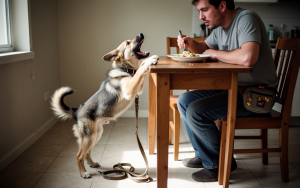
- Management Over Training: Scavenging is not merely a behavioral issue but a survival mechanism that requires proactive management. For example, dogs that are allowed to scavenge at home may redirect this instinct to safer outlets, reducing the likelihood of dangerous choices outdoors. However, this approach depends on the dog’s individual temperament and the environment’s unpredictability.
- Health Risks: Scavenging can lead to ingestion of harmful substances, such as poison-laced food or sharp objects. If a dog exhibits signs of distress—vomiting, lethargy, or difficulty breathing—immediate veterinary attention is necessary. These risks underscore why training alone is insufficient; management strategies like short leashes and route planning are critical.
Understanding this evolutionary drive helps frame scavenging not as a flaw but as a behavior requiring thoughtful redirection. The goal is not to eliminate the instinct entirely but to ensure it does not compromise the dog’s safety or the owner’s ability to control the situation.
Teaching the ‘Leave It’ Command Effectively
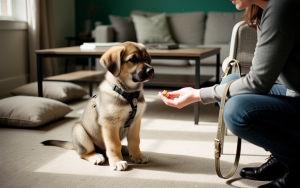
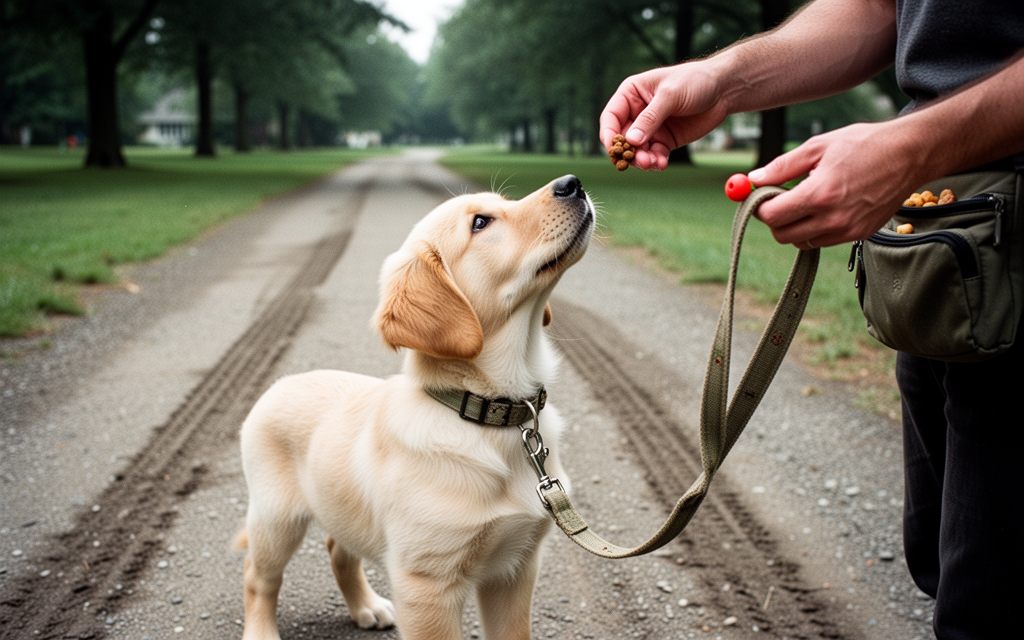
Begin by establishing the ‘leave it’ command in a low-distraction environment, such as a quiet room at home. Hold a high-value treat in your closed hand and present it to your dog. When they sniff or paw at your hand, say “leave it” firmly. If they stop interacting with your hand, reward them with the treat and praise. Repeat this until your dog consistently associates the command with pausing their behavior. Gradually introduce distractions, such as placing the treat on a surface and asking your dog to ignore it before rewarding. This builds foundational understanding.
- Foundational training steps emphasize using high-value rewards to reinforce the command, ensuring your dog learns that ignoring temptations leads to better outcomes.
- Progress to more challenging settings, such as a backyard with scattered items. Use the same command, rewarding your dog for looking away from the items instead of interacting with them. This helps generalize the behavior to environments with increasing distractions.
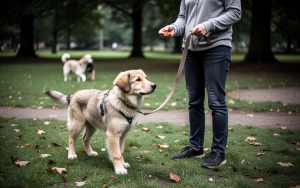
- Once your dog reliably responds to “leave it” at home, practice during walks. Use a short lead to maintain control and cue the command when your dog notices food or objects. If they ignore the cue, redirect their attention with a known command like “sit” or “look at me” before rewarding. Consistency is key to proofing the behavior in unpredictable outdoor settings.
- Pair the command with management strategies, such as keeping your dog’s head position slightly toward you during walks. This reduces their ability to spot tempting items and reinforces your role as the decision-maker.
Training should be ongoing, with regular practice in varied environments. If your dog ingests something unsafe during a walk, contact a veterinarian immediately. While the ‘leave it’ command is a critical tool, no dog is perfectly reliable around food, so combining training with proactive management—like avoiding high-risk areas—remains essential.
Managing the Walking Environment Strategically
Altering your walking route can significantly reduce scavenging opportunities. Avoid paths known for high litter density, such as busy streets or areas near bins, and choose routes that are generally clear of potential hazards. This minimises the number of temptations your dog encounters, making it easier to maintain focus during walks. Once your dog has developed a reliable ‘leave it’ response, you can gradually reintroduce more varied routes, but always remain vigilant.
- Use body language to signal your dog’s attention. Keep your dog’s head positioned slightly toward you and at a height that allows you to monitor their gaze. If they begin to look away or show signs of interest in something on the ground, use a firm but calm tone to redirect their focus.
- Practice ‘arcs’ around potential scavenging zones. When approaching a bin or area with scattered items, guide your dog in a wide arc to avoid direct exposure. This helps prevent the dog from associating the area with food or reward.
- Consider using a short lead in high-risk areas. This gives you greater control and allows you to intervene quickly if your dog shows scavenging behaviour. A short lead should be used in conjunction with consistent training, not as a long-term solution.
- When your dog shows interest in something on the ground, use the ‘leave it’ cue immediately. If they ignore the cue, avoid chasing or punishing them, as this can increase their excitement. Instead, redirect their attention with a high-value treat or toy, reinforcing the idea that you control the reward.
If your dog swallows something unsafe, contact a veterinarian immediately. Signs of concern include vomiting, lethargy, difficulty breathing, or unusual behaviour. Some sources suggest that in extreme cases, a muzzle may be necessary, but it should be introduced gradually and never used as a substitute for training. For more information on muzzle training, refer to this guide.
Recognizing When to Use a Muzzle
A muzzle may be necessary if your dog has a history of swallowing objects quickly or has already experienced an emergency related to scavenging, such as an obstruction or a vet visit. It is also a consideration if your dog consistently targets hazardous items like rocks, mulch, or feces during walks. According to Worldwide K9 Academy, a basket muzzle is recommended in these cases because it allows a dog to pant, drink, and take treats through the front, ensuring comfort and safety. This should not be used as a punishment but as a temporary measure while training and management strategies are being reinforced.
Conditioning your dog to wear a muzzle should be a gradual process. Start by letting your dog explore the muzzle at their own pace, smearing something soft on the inside to make it more inviting. Allow them to put their nose in for a few seconds before removing it. Over ten days, gradually increase the time they spend with the muzzle on, ensuring they associate it with positive experiences. According to Worldwide K9 Academy, rushing this process can lead to resistance, making walks more stressful for both you and your dog.
If your dog is already showing signs of a medical condition such as pica, which can lead to eating non-food items, it is important to consult a veterinarian. As noted by PawInsightGuide, underlying health issues such as anemia or gastrointestinal disturbances may contribute to scavenging behavior and should be ruled out. A muzzle can be a useful management tool in these cases, but it is not a substitute for professional veterinary care.
Knowing When to Seek Veterinary Help
If your dog has ingested something potentially harmful, it is important to be aware of the signs that may indicate a serious issue. These can include vomiting, diarrhea, excessive drooling, lethargy, difficulty breathing, or unusual behavior such as restlessness or unresponsiveness. These symptoms may suggest that your dog has swallowed something toxic, such as a chemical, a sharp object, or a non-food item that could cause internal damage.
Even if your dog appears fine immediately after scavenging, it is crucial to monitor them closely. Some items can cause delayed symptoms, such as blockages in the digestive tract or poisoning from substances that are not immediately apparent. If you suspect your dog has swallowed something dangerous, contact your veterinarian or an emergency animal clinic as soon as possible. Provide them with as much information as you can, including what your dog may have eaten, when it happened, and any symptoms you have observed.
Some sources suggest that in extreme cases, a muzzle may be necessary to prevent your dog from accessing dangerous items during walks. If you choose to use a muzzle, ensure it is the correct type — such as a basket muzzle — that allows your dog to pant and breathe comfortably. This is particularly important in hot weather or during physical activity.
It is also worth noting that while training your dog to respond to the “leave it” command is a valuable tool, it is not a guarantee that your dog will never scavenge. Management strategies, such as keeping your dog on a short lead and being vigilant about their body language, are essential components of a comprehensive approach. If your dog has swallowed something that you believe could be life-threatening, do not wait for symptoms to appear — seek veterinary help immediately.
Disclosure: As an Amazon Associate I earn from qualifying purchases. Links in the related-products section are paid links.