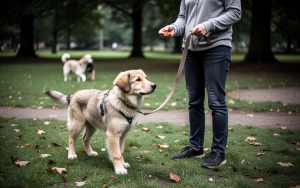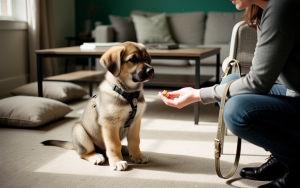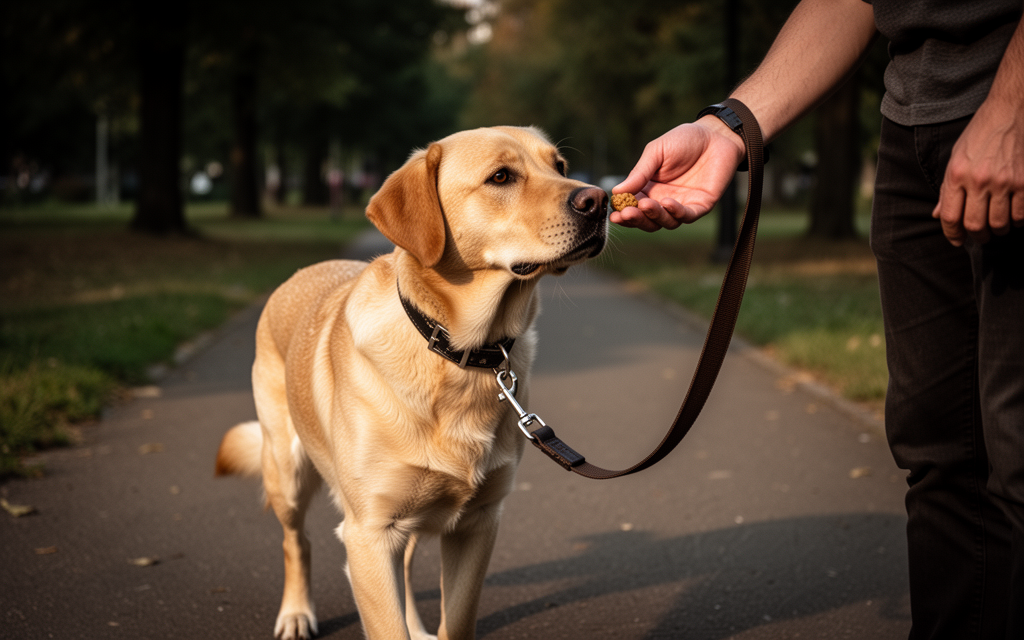
To stop a dog pulling on the lead, focus on a humane loose-lead progression that rewards a slack lead and makes pulling unproductive. This method uses positive reinforcement to teach your dog that walking calmly beside you is more rewarding than pulling. It is important to note that this approach does not guarantee off-lead freedom and may require adjustments based on your dog’s temperament and the environment. Choose comfortable, safe equipment and be prepared to assess when the surroundings are too distracting for effective training.
Understanding the Psychology of Lead Pulling
Dogs associate pulling with forward movement because they learn that exerting force on the lead results in progress toward their desired destination. This behavior becomes habitual when the dog consistently receives reinforcement—such as reaching a scent, a person, or a park—after pulling. Over time, the dog’s brain links the action of pulling with the reward of movement, creating a cycle that is difficult to break without deliberate intervention. According to Dogs Trust, even a single step taken in response to pulling reinforces the idea that this behavior is effective, making it a learned pattern rather than an instinct.
- Reinforcement through movement: Dogs quickly learn that pulling the lead allows them to move forward faster, especially when the owner yields slightly to the pressure. This creates a direct cause-and-effect relationship between pulling and progress, which the dog’s brain prioritizes as a reliable strategy.
- Environmental triggers: Distractions such as other animals, people, or scents intensify the urge to pull, as the dog’s focus shifts to these stimuli. The RSPCA notes that training in high-distraction environments can make this behavior more entrenched, as the dog perceives pulling as the only way to navigate obstacles.
- Habit formation: Repeated reinforcement without alternative solutions solidifies pulling as a default response. The wikiHow method of “Be a Tree”—staying stationary when the dog pulls—aims to disrupt this habit by denying the dog the reward of movement, forcing them to learn that pulling does not achieve their goals.
- Equipment influence: The type of collar or harness used can affect how the dog perceives pulling. A harness that distributes pressure across the body may reduce discomfort, but it does not inherently teach the dog that pulling is unproductive. This underscores the need for consistent training to reframe the behavior.
Breaking this cycle requires replacing the reinforcement of movement with alternative rewards, such as treats or praise, when the dog walks calmly. This shift in association is central to humane training methods that prioritize patience and environmental management.
Assessing Environmental Challenges
Environmental factors can significantly impact a dog’s ability to focus during training. High-traffic areas, unfamiliar scents, or the presence of other animals may trigger excitement or distraction, making it harder for your dog to associate walking calmly with positive outcomes. Before starting a training session, evaluate the surroundings for potential stressors. For example, walking near parks, busy roads, or areas with frequent wildlife activity may overwhelm a dog still learning to walk without pulling. If your dog shows signs of frustration or distraction, adjust your approach by choosing quieter routes, avoiding peak times for outdoor activity, or limiting exposure to overstimulating environments until they demonstrate consistent progress in calmer settings.
- Start in low-distraction zones: Begin training in familiar, quiet spaces like your home or garden, where your dog can focus on learning to walk beside you without competing stimuli. As confidence builds, gradually introduce mild distractions, such as walking near parked cars or passing pedestrians, while maintaining a reward-based approach. Dogs Trust advises starting in calm environments to establish foundational skills before progressing.
- Plan ahead for external challenges: If your dog is easily distracted by other animals or people, avoid routes with high concentrations of these triggers. Instead, choose paths with fewer interruptions, such as less-traveled trails or residential streets. Dogs Trust highlights that planning your route in advance can reduce stress for both you and your dog, ensuring training remains productive.
- Adjust expectations for complex environments: Some dogs may never fully adapt to highly stimulating areas, such as dog parks or bustling city centers. In these cases, prioritize teaching your dog to remain calm in less challenging settings and use a harness or collar that minimizes discomfort during walks. If your dog consistently struggles in certain environments, consider whether the setting itself is too demanding for their current training stage.
Environmental adjustments are not a sign of failure but a practical step to align training with your dog’s needs. Consistency in choosing manageable settings, paired with gradual exposure to new stimuli, helps reinforce the lesson that walking calmly leads to rewards, while pulling does not.
The ‘Be a Tree’ Technique Explained
The ‘Be a Tree’ technique focuses on teaching your dog that pulling does not move them forward, while using a harness to reduce discomfort and encourage learning. This method avoids any form of punishment or force, relying instead on the dog’s natural desire to move toward rewards and avoid frustration.
- Using the “Be a Tree” Method suggests that a harness can be a useful tool in this process. Unlike a collar, which applies pressure directly to the neck, a harness spreads the force across the dog’s back and chest. This reduces the risk of injury and allows the dog to focus on learning rather than reacting to pain.
- When your dog pulls, the technique involves stopping completely and standing still, as if you are a tree. This prevents the dog from moving forward, reinforcing the idea that pulling does not achieve their goal. It is important to remain calm and avoid chasing or pulling in the opposite direction, as this can confuse the dog and make the training less effective.
- Consistency is key. Every time the dog pulls, you must stop and wait for them to return to your side before continuing. This teaches the dog that moving forward without pulling is the only way to make progress. Over time, the dog learns that walking calmly beside you is the fastest and most rewarding way to reach their destination.
- Some sources, such as Walking nicely on the lead, recommend choosing a harness that is comfortable and fits well. Introducing the harness gradually and positively can help your dog associate it with positive experiences, making training easier and more effective.
- It is also important to be aware of the environment. If the surroundings are too stimulating or distracting, your dog may find it difficult to focus on the training. In such cases, it may be necessary to reduce the level of distraction or take shorter walks until the dog becomes more confident and responsive.
Rewards for Slack Lead Behavior
Consistently rewarding your dog for walking calmly beside you reinforces the connection between slack lead behavior and positive outcomes. This approach shifts the dog’s focus from pulling to moving forward with you, as pulling halts progress. According to Dogs Trust, stopping immediately when the lead tightens teaches the dog that pulling pauses the walk, while maintaining slack allows movement. Pair this with immediate praise or small treats to create a clear association between calm behavior and rewards.
- Use high-value rewards: Choose treats or toys your dog finds particularly motivating. The reward should be given the moment the dog walks beside you, not after the walk, to ensure clarity.
- Practice in low-distraction environments: Begin training in quiet spaces where your dog can focus on you without competing stimuli. Gradually introduce busier settings as consistency improves.
- Introduce the “heel” command: As your dog learns to walk calmly, use the “heel” cue to direct them to your side. Reward each instance of compliance, even if it’s brief, to build reliability.
- Pause and wait: If your dog pulls, stop walking and remain still until the lead slackens. This teaches that forward movement depends on walking beside you, not pulling.
- Adjust expectations based on environment: If your dog struggles in high-distraction areas, acknowledge that the environment may be too challenging. Return to simpler settings and gradually increase difficulty as their focus improves.
Consistency is key, as noted by multiple sources, but progress may vary depending on your dog’s temperament and the surrounding conditions. Avoid forcing movement or using aversive methods, as these can undermine trust and prolong learning. Instead, prioritize patience and incremental success, ensuring each reward reinforces the desired behavior.
When to Adjust Your Training Approach
Training a dog to walk without pulling requires consistency, but there are times when the environment may make progress difficult. If your dog becomes overly distracted, stressed, or reactive in certain settings, it may be a sign that the current location is too challenging. For example, if your dog starts pulling aggressively when passing other dogs or people, it may be best to avoid those situations until they are more comfortable. In such cases, adjusting your training approach by reducing the number of distractions or choosing quieter, calmer environments can help your dog focus better on learning the desired behaviour.
It is also important to consider your dog’s emotional state. If your dog shows signs of frustration, fear, or anxiety during walks, it may be beneficial to pause training and revisit it later. According to Dogs Trust, if your dog has big feelings when people or dogs approach, politely asking others to keep their distance can help maintain a positive experience. This allows your dog to build confidence and associate walks with positive outcomes rather than stress or conflict.
Another scenario where a change in approach may be necessary is when your dog is not responding to the usual training methods. If your dog is not walking nicely on the lead despite consistent effort, it may be time to revisit the basics. According to wikiHow, using the “Be a Tree” method—where you stop and stand still when your dog pulls—can reinforce that pulling does not lead to forward movement. This technique can be especially useful in helping your dog understand that staying by your side is the most effective way to move forward. However, it is important to remain patient and not force progress if your dog is struggling.
Ultimately, knowing when to adjust your training approach involves paying close attention to your dog’s reactions and being willing to modify your strategy when needed. This does not mean giving up, but rather adapting your methods to better suit your dog’s needs and the environment in which you are training.
Disclosure: As an Amazon Associate I earn from qualifying purchases. Links in the related-products section are paid links.