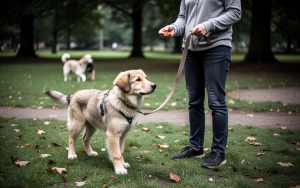
Puppy biting for attention is a common challenge that often signals a need for clearer communication. Observe patterns: does the behavior occur during play, when seeking interaction, or after being ignored? Redirect focus by offering dog-safe toys during moments of mouthiness, and pause interactions if biting escalates. Avoid sudden movements or punishment, as these may intensify the behavior. Consistent training that rewards calmness, paired with structured downtime, can help shift the puppy’s focus. If the biting persists despite these steps, consider consulting a qualified trainer for tailored guidance. The goal is to create a predictable environment where the puppy learns alternative ways to engage.
Observing Patterns Before and After Biting
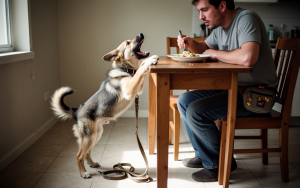
To understand when a puppy uses mouthing or nipping as a way to seek interaction, focus on the circumstances that precede and follow the behaviour. Note whether the puppy initiates biting when a human is engaged in an activity like talking on the phone, reading, or watching television; record the situation without assuming the puppy’s motivation. Observe if the puppy targets specific body parts, such as hands, ankles, or clothing, as a description of what happened, rather than a diagnosis.
- Trigger identification: Track whether the puppy bites more frequently during periods of inactivity, boredom, or overstimulation. For example, you might note that mouthing began while an adult was reading nearby. This is an observation example, not proof of a cause.
- Contextual clues: Pay attention to the puppy’s body language before biting—tail wagging, pawing, or leaning into the person may signal an attempt to initiate interaction. Taking a toy does not by itself establish whether the puppy was playing, worried or seeking attention.
- Consistency in response: Document whether the puppy repeats the behaviour in similar situations. If mouthing occurs repeatedly when a person is distracted, describe the pattern to a qualified professional if you need help interpreting it.
These observations can guide adjustments in how you interact with the puppy. For instance, if mouthing happens while you are occupied, you could plan an appropriate activity beforehand instead of waiting for biting to start. However, if the behaviour persists despite these changes, consulting a qualified trainer or veterinary behaviourist, as advised in puppy-biting-for-attention resources, can help address underlying issues. The goal is to create a predictable environment where the puppy learns that calm, non-intrusive behaviour leads to positive outcomes.
Arranging Calmer Interactions
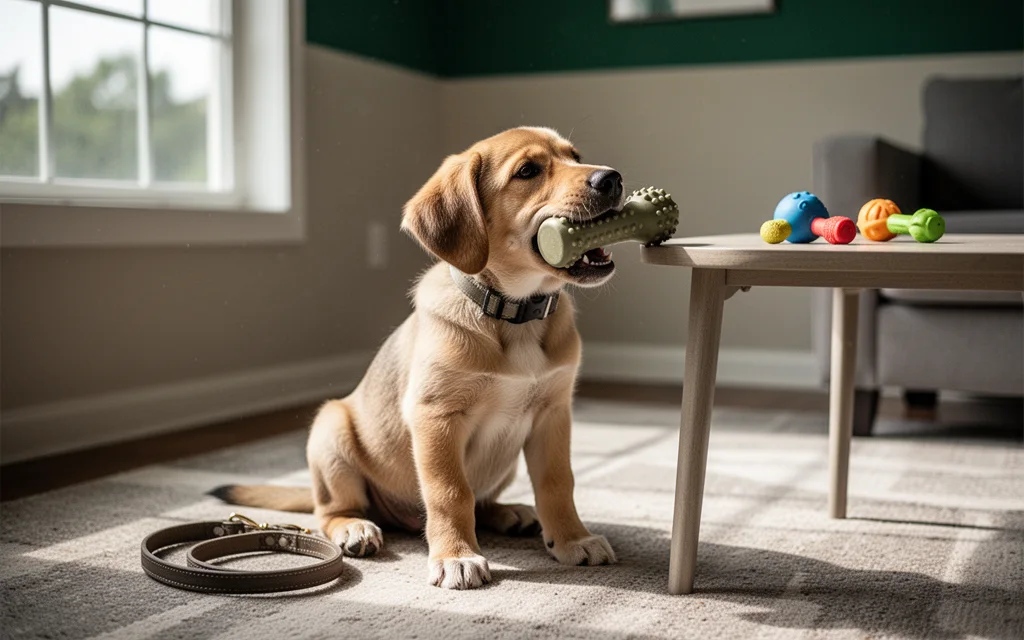
Creating a controlled environment helps reduce overexcitement and redirects focus to acceptable behaviours. If a puppy bites during high-energy moments, step away briefly using baby gates or by moving to another room, as advised by Dogs Trust. This pause allows the puppy to reset, avoiding reinforcement of biting as a way to gain attention. Before situations prone to mouthing—such as mealtime or play sessions—have toys ready to redirect focus. The PDSA recommends offering dog-safe chew toys to satisfy natural chewing instincts, ensuring the puppy learns that objects, not hands or clothing, are appropriate for gnawing.
- Plan ahead: Identify triggers for mouthing (e.g., excitement, boredom) and prepare alternative activities, such as puzzle toys or short training sessions, to engage the puppy before frustration builds.
- Pause interaction: If mouthing continues, calmly step away or use a suitable gate to separate yourself briefly, following Dogs Trust’s guidance. Keep the puppy safe; do not physically wrestle them into another space or use a crate as punishment.
- Encourage calmness: Sit quietly with the puppy during downtime, offering gentle praise for comfortable, non-mouthing interaction. This reinforces that attention is given for quiet, non-mouthing behaviour.
Consistency in these steps helps the puppy associate calmness with positive outcomes, reducing reliance on biting as a communication tool.
Reinforcing Alternative Behaviors
Redirecting a puppy’s mouthing to acceptable activities requires consistent focus on what works in the moment. If your puppy mouths you, pause calmly and avoid pulling your hands away quickly. Redirect during a pause or restart appropriate play once they are calm, rather than rewarding contact with your skin. Choose toys designed for durability and safety, ensuring they are out of reach when not in use to prevent accidental ingestion.
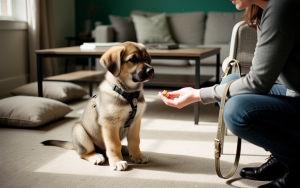
To build alternative interaction patterns, pair calm behaviors with rewards. For example, if a puppy sits quietly instead of lunging or mouthing, reward with praise or a treat. Reward the alternative interaction you want to encourage. Have suitable toys available before play so you can offer an appropriate activity from the start.
Positive reinforcement is key: when the puppy engages with toys or follows commands without nipping, reward that behaviour in a way your puppy enjoys. Avoid physical corrections, as these may escalate excitement. Keep your response calm and consistent. Over time, this helps the puppy associate respectful behavior with attention and rewards.
For further practical guidance, see Battersea’s puppy-mouthing advice. Seek qualified help if biting is escalating, causes injury or is difficult to manage safely; do not assume that every bite is simply a request for attention.
Disclosure: As an Amazon Associate I earn from qualifying purchases. Links in the related-products section are paid links.
Related products
This article may be complemented by dog-safe chew toys for puppies.
Browse related products on Amazon